Blog
Top 10 Luxury Retail Showroom Lighting Ideas
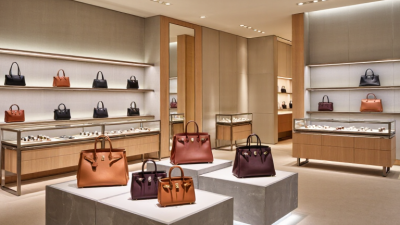
A luxury showroom is not simply a bright room. It is a carefully staged experience, where a warm pool of light can make a leather bag feel tactile and a narrow beam can reveal the grain of a watch strap. The best Luxury Retail Showroom Lighting supports both product and atmosphere without making either feel forced.
Lighting designer Richard Kelly’s influential vocabulary—“ambient luminescence,” “focal glow,” and “play of brilliants”—offers a practical starting point. These layers help designers balance comfortable background light, attention on key merchandise, and small moments of sparkle. Architect Louis Kahn captured light’s creative role in the words, “Light is the giver of all presences.” His sentence is poetic, but the retail lesson is concrete: light changes how materials, colors, and spaces are perceived.
This guide explores ten ideas, from layered illumination and high-quality color rendering to adjustable accents and concealed sources. It also considers glare on glass shelves, shadows beneath display plinths, and the difference between a flattering fitting area and an overlit one. Details matter. A perfect-looking concept can still disappoint when fixtures are poorly aimed or merchandise changes seasonally. Not every idea suits every brand, either. The aim is not to prescribe one look, but to help teams make deliberate choices, test them on real products, and refine the result before opening day.
Read more »
 By:Ethan Anderson
- November 3, 2026
What Are the 7 Best Art Deco Decorative Lighting Options?
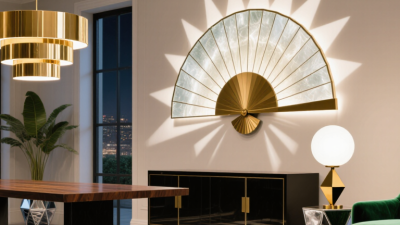
Art Deco Decorative Lighting brings a room’s geometry into focus. Picture a stepped brass pendant above a dining table, a frosted-glass globe beside a velvet chair, or a fan-shaped sconce casting patterned shadows. These fixtures borrow from a design era known for symmetry, polished materials, and confident silhouettes. But the label can be used loosely. A geometric shape alone does not make a light Art Deco.
The market offers useful context, not proof of a particular style’s popularity. Grand View Research valued the global lighting market at approximately $121.4 billion in 2023 and projected 5.7% annual growth from 2024 to 2030. That broad figure includes many lighting categories; it does not isolate Art Deco fixtures. It does, however, underline why buyers face a crowded choice between decorative impact, practical brightness, and long-term use.
Art Deco historian Alastair Duncan’s published work emphasizes the movement’s distinctive visual language and its place in design history. Applied to lighting, that perspective helps separate period-inspired pieces from fixtures that merely look ornate. The seven options ahead compare recognizable forms, materials, placement, and everyday function. Some will suit a compact entryway; others need room to breathe. A small caution: the most dramatic fixture is not always the most comfortable one to live with.
Read more »
 By:Charlotte Whitmore
- October 29, 2026
What Is Custom Crystal Canopy Lighting?
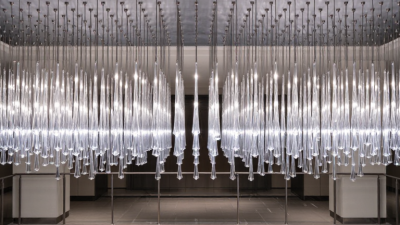
Custom Crystal Canopy Lighting combines architectural illumination with a decorative crystal structure suspended from a ceiling. It usually includes a metal canopy, crystal prisms, LED modules, drivers, and concealed wiring. Unlike a standard chandelier, its dimensions, crystal pattern, finish, brightness, and suspension length are made for a specific interior. The result may resemble a glowing ceiling sculpture above a hotel lobby, staircase, dining table, or luxury retail entrance.
Market evidence supports this design direction. Grand View Research reports that the global LED lighting market was valued at approximately USD 78 billion in 2023, with continued growth expected through 2030. The U.S. Department of Energy also reports that LED products can use at least 75% less energy than incandescent lighting. These figures do not measure crystal fixtures directly. However, they explain why designers increasingly combine expressive forms with efficient LED technology. The Illuminating Engineering Society recommends evaluating visual comfort, color quality, controls, and maintainability, not appearance alone.
A well-planned Custom Crystal Canopy Lighting system should specify color temperature, color rendering, dimming compatibility, ceiling load, access for cleaning, and driver replacement. Crystal clarity matters. So does the spacing between each drop, because uneven spacing can create distracting glare or dark patches. A poorly coordinated canopy may look impressive in a drawing but feel harsh at eye level. That is an important limitation. Custom work is not automatically better; it requires accurate site measurements, professional electrical review, and careful mock-up testing. In the following discussion, the focus is practical: what this lighting type includes, how it is designed, and where its visual value justifies its added complexity.
Read more »
By:Charlotte Whitmore
- October 24, 2026

How to Choose Polycarbonate Architectural Panels?
Choosing Polycarbonate Architectural Panels requires more than comparing colors, prices, and surface finishes. The right panel must respond to daylight, weather, structure, safety, and maintenance demands. A translucent roof may look elegant in a showroom, yet perform poorly under summer heat or strong wind. That difference matters on a real project.
Building-science expert Dr. Stephen Selkowitz has said, “Daylighting is not just about bringing light into a building; it is about controlling it.” His observation provides a useful starting point. Good Polycarbonate Architectural Panels should admit useful daylight while limiting glare, solar gain, and uncomfortable temperature changes. Their thickness, coating, profile, and light-transmission rating deserve careful review. So does the framing system. A panel cannot compensate for weak detailing around joints, fasteners, or drainage paths.
Small decisions become visible later.
This guide examines how to match panel types with roofs, façades, partitions, canopies, and interior spaces. It considers thermal performance, impact resistance, fire classification, UV protection, acoustic behavior, and long-term appearance. It also explains how installation conditions influence expansion, condensation, and cleaning requirements. Product data should come from current technical documents, not a casual sales promise. That sounds obvious, but it is often overlooked.
There is no universally perfect panel. A budget-friendly choice may create higher maintenance costs. A high-performance panel may exceed the project’s actual needs. The better decision comes from balancing climate, building use, design intent, and verified performance evidence. Mistakes remain possible, especially when appearance leads the discussion. Careful comparison reduces them.
Read more »
By:Ethan Anderson
- October 19, 2026
Why Is High-End Restaurant Ambient Lighting Important?
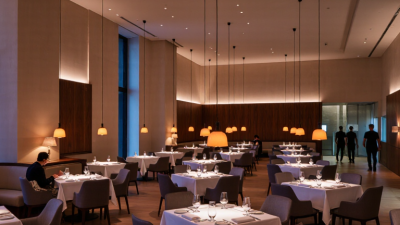
High-End Restaurant Ambient Lighting shapes more than visibility. It influences appetite, comfort, conversation, and perceived value. A softly illuminated dining room can make linen appear warmer and food look more inviting. Harsh overhead light can flatten textures and expose every unwanted shadow. Guests notice the difference, even when they cannot explain it.
Lighting designer Richard Kelly famously described light as “the only medium that can create a sense of space without occupying it.” His observation remains highly relevant to contemporary hospitality design. Experienced restaurant teams use layered lighting rather than one bright fixture. Cove lights can wash walls gently. Pendant lamps can define individual tables. Carefully aimed accents can highlight plating without creating glare. Warm color temperatures often support intimacy, while controlled contrast gives the room visual depth.
Small details matter.
A polished glass should sparkle, not flash. Diners should read menus comfortably without squinting. Staff also need safe, clear paths between tables. These practical needs sometimes conflict with dramatic design. That tension deserves honest attention. A beautiful dining room may still feel uncomfortable if the lighting is too dim. Conversely, a technically efficient room may feel cold and forgettable.
The best High-End Restaurant Ambient Lighting responds to architecture, cuisine, service style, and guest expectations. It should change subtly throughout the evening, supporting arrival, dining, and departure. Designers must test real table settings, not rely only on digital renderings. Light behaves differently beside dark wood, polished stone, and reflective glass. Even expert planning can miss something. That is why observation, adjustment, and guest feedback remain essential.
Read more »
By:Charlotte Whitmore
- October 14, 2026
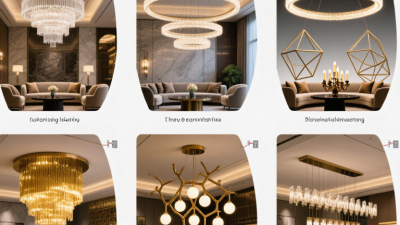
Top 10 Luxury Hotel Chandelier Solutions for Global Buyers
Luxury hotels use chandeliers to shape first impressions, guide movement, and express a property’s identity. A dramatic fixture above a marble lobby can create warmth, scale, and memorable visual rhythm. However, beauty alone cannot define dependable Luxury Hotel Chandelier Solutions. Global buyers must examine design, engineering, installation, maintenance, and long-term operating costs together.
This guide presents ten chandelier solutions for hotels, resorts, restaurants, and private hospitality spaces. Each option considers ceiling height, viewing distance, lighting performance, structural weight, and cleaning access. Crystal cascades may suit a grand entrance, while sculptural LED rings can better serve contemporary lounges. Warm color temperatures, accurate color rendering, and controlled glare also influence guest comfort. Small details matter. Cable adjustment, modular components, and accessible drivers can reduce future maintenance problems.
The evaluation follows practical purchasing experience and recognized hospitality standards. Buyers should request verified material data, electrical specifications, load calculations, warranty terms, and installation guidance before approval. Local fire, electrical, and building requirements must also be confirmed by qualified professionals. No ranking is perfect. A chandelier that succeeds in Dubai may feel excessive in a compact European boutique hotel. Budget assumptions can also change after shipping, scaffolding, or custom finishing is included. That uncertainty deserves attention. The strongest choice balances visual impact with safety, serviceability, and reliable supplier support. With careful comparison, hotel owners and designers can select a lighting centerpiece that performs beautifully beyond opening day.
Read more »
By:Ethan Anderson
- October 9, 2026
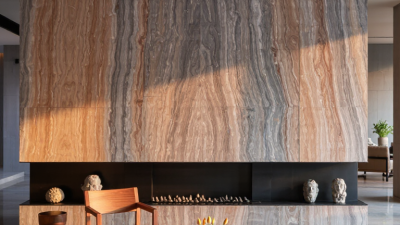
How to Source Natural Stone Interior Feature Walls 2026?
Natural Stone Interior Feature Walls are moving beyond luxury showrooms and hotel lobbies. They now appear in living rooms, reception areas, restaurants, and wellness spaces. Grand View Research estimated the global natural stone market at approximately USD 51 billion in 2022, with continued growth expected through 2030. That momentum reflects demand for durable, tactile, and visually distinctive interiors.
Yet market growth does not guarantee responsible sourcing. The U.S. Geological Survey’s Mineral Commodity Summaries and Natural Stone Institute guidance both emphasize material origin, processing, transportation, and long service life. These details matter. A six-metre limestone wall may look effortless, but its success depends on slab selection, substrate movement, moisture control, anchoring, and qualified installation. Small errors become expensive shadows, cracks, or uneven joints.
Architect Peter Zumthor wrote, “Materials have their own language.” His observation explains why stone cannot be chosen from a photograph alone. Veining, edge treatment, surface texture, and changing daylight must be experienced together. A credible 2026 sourcing strategy should therefore verify quarry documentation, fabrication standards, maintenance requirements, and environmental claims before approval. Product labels alone are not enough.
The choices are imperfect.
Some sustainability figures remain difficult to compare because reporting boundaries differ between suppliers. That weakness deserves attention. This guide examines how designers, contractors, and buyers can source Natural Stone Interior Feature Walls with stronger evidence, clearer specifications, and fewer aesthetic surprises. It also considers where reclaimed stone, regional materials, and honest lifecycle information may outperform fashionable selections.
Read more »
By:Ethan Anderson
- October 4, 2026
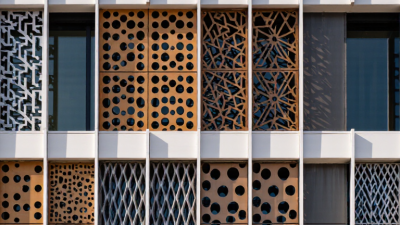
10 Best Decorative Architectural Metal Screens for Buyers
Decorative Architectural Metal Screens do more than dress a facade; they filter daylight, soften views, and add depth. For buyers, the right choice must balance appearance with climate, fixing method, maintenance, and budget. The IEA’s 2023 Global Status Report for Buildings and Construction gives useful context. It reports that building operations used about 30% of global final energy in 2022 and produced 26% of energy-related emissions. The World Green Building Council’s Bringing Embodied Carbon Upfront report estimates that building materials and construction contribute around 11% of global emissions. These figures do not prove that screens alone save energy. Orientation, glazing, screen depth, and local climate all matter.
Architect Louis Kahn captured the relationship between buildings and sunlight: “The sun never knew how great it was until it struck the side of a building.” Details matter. This guide introduces ten screen options, from crisp laser-cut panels to warm-toned perforated metal and bold expanded mesh. It will help you compare materials, finishes, openness, privacy, corrosion resistance, and installation needs. Look closely at the sample: a small change in aperture can alter the view, shadow, and airflow. A reflective finish may also look different outdoors than it does under showroom lights. Not every attractive panel suits every site. Treat rankings as a starting point, then confirm performance with product data, samples, and project-specific advice.
Read more »
By:Ethan Anderson
- September 29, 2026
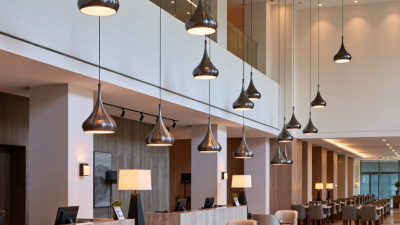
China Best Hospitality Lighting Installations Supplier?
Choosing China’s best Hospitality Lighting Installations supplier requires more than comparing catalog prices. Hotels, resorts, restaurants, and cruise facilities need lighting that supports comfort, identity, safety, and daily operations. A bright lobby may look impressive in photographs, yet create glare for guests and staff. Details matter.
Experienced suppliers understand these practical differences. They review ceiling heights, room layouts, local climate, operating hours, and interior materials before suggesting fixtures. Their teams should discuss color rendering, color temperature, beam angles, dimming systems, emergency lighting, and maintenance access. A reliable manufacturer also provides clear photometric data, samples, installation guidance, and documented quality testing. Certifications should be verified for the target market, not simply displayed in a brochure.
Strong Hospitality Lighting Installations begin with collaboration between designers, engineers, contractors, and hotel operators. Mock-up rooms can reveal shadows, unwanted reflections, and uncomfortable brightness before full production. That step is often underestimated. Not every project succeeds. Even a technically correct design may feel cold, uneven, or difficult to service.
This guide examines how to evaluate Chinese lighting suppliers through manufacturing experience, technical capability, customization, quality control, communication, delivery performance, and after-sales support. It also considers practical warning signs, including unclear warranties, inconsistent product samples, vague compliance claims, and limited replacement planning. The best supplier is not always the cheapest. It is the partner that can explain decisions clearly, document performance, and respond responsibly when real-world conditions expose weaknesses. Reliability must be demonstrated over time.
Read more »
 By:Alexander Bennett
- September 22, 2026
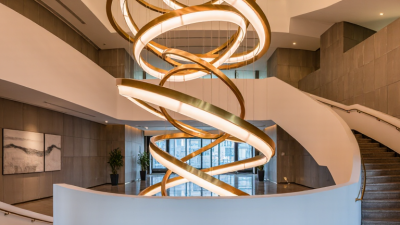
7 Tips for Choosing Bespoke Architectural Light Sculptures
Choosing Bespoke Architectural Light Sculptures requires more than selecting an attractive shape. The installation must respond to architecture, movement, material, and human comfort. A glowing form may look dramatic in a sketch, yet feel harsh beneath a low ceiling. Scale matters.
This guide introduces seven practical tips for making a confident decision. They reflect common considerations used by lighting designers, architects, fabricators, and project managers. Each recommendation connects visual ambition with measurable performance, including brightness, glare control, color temperature, energy use, and maintenance access. Ask for photometric data. Review the dimming system. Confirm the product’s safety documentation and environmental suitability.
Details often decide the outcome. Imagine a sculptural pendant above a hotel staircase, with warm light washing across brushed brass. Now consider the shadows on nearby artwork, the cleaning equipment required, and the view from the entrance. These details are easy to overlook. They should not be.
Practical experience also teaches humility. A perfect digital rendering cannot predict every reflection, ceiling obstruction, or installation delay. Some assumptions will be wrong. Recheck them. Reliable suppliers should explain material samples, structural loads, warranties, replacement parts, and expected lead times without vague promises. Collaboration is essential, especially when the sculpture includes custom optics, concealed wiring, or complex controls.
The best choice balances emotion and evidence. It should create a memorable atmosphere while serving the building for years. These seven tips will help you question impressive designs, identify hidden risks, and choose a Bespoke Architectural Light Sculptures solution with greater clarity.
Read more »
By:Ethan Anderson
- September 22, 2026
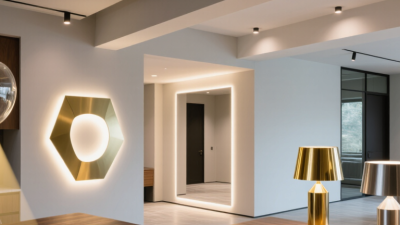
Why Choose Custom Decorative Lighting Fixtures?
Why Choose Custom Decorative Lighting Fixtures?
Lighting does more than brighten a room. It shapes movement, mood, and memory. A pendant above a dining table can make conversation feel warmer. A sculptural wall fixture can turn an empty hallway into a quiet focal point. Custom Decorative Lighting Fixtures allow these details to respond to a space instead of forcing a standard design into it.
Lighting designer Ingo Maurer once said, “I am not interested in making light objects, but objects that emit light.” His words explain the difference between decoration and considered illumination. Experienced manufacturers examine ceiling height, surface finishes, bulb temperature, glare, wiring access, and daily use before developing a fixture. These details matter.
Small choices matter.
A handcrafted brass finish may age beautifully, while an unsuitable coating can appear tired within months. A carefully positioned diffuser can soften harsh shadows across a dining table. The wrong scale, however, may overwhelm the room. That risk deserves honest attention.
Choosing Custom Decorative Lighting Fixtures also supports stronger visual identity. Hospitality spaces can express their brand through repeated forms, textures, and controlled light levels. Residential interiors can reflect personal taste without looking copied from a catalogue. Architects and designers may gain more freedom when dimensions, materials, and mounting systems are developed together.
Still, customization is not automatically better. It requires clear measurements, realistic budgets, qualified installation, and reliable performance testing. When artistic ambition meets practical expertise, lighting becomes more than an accessory. It becomes part of the architecture, carrying both purpose and personality.
Read more »
By:Alexander Bennett
- September 22, 2026