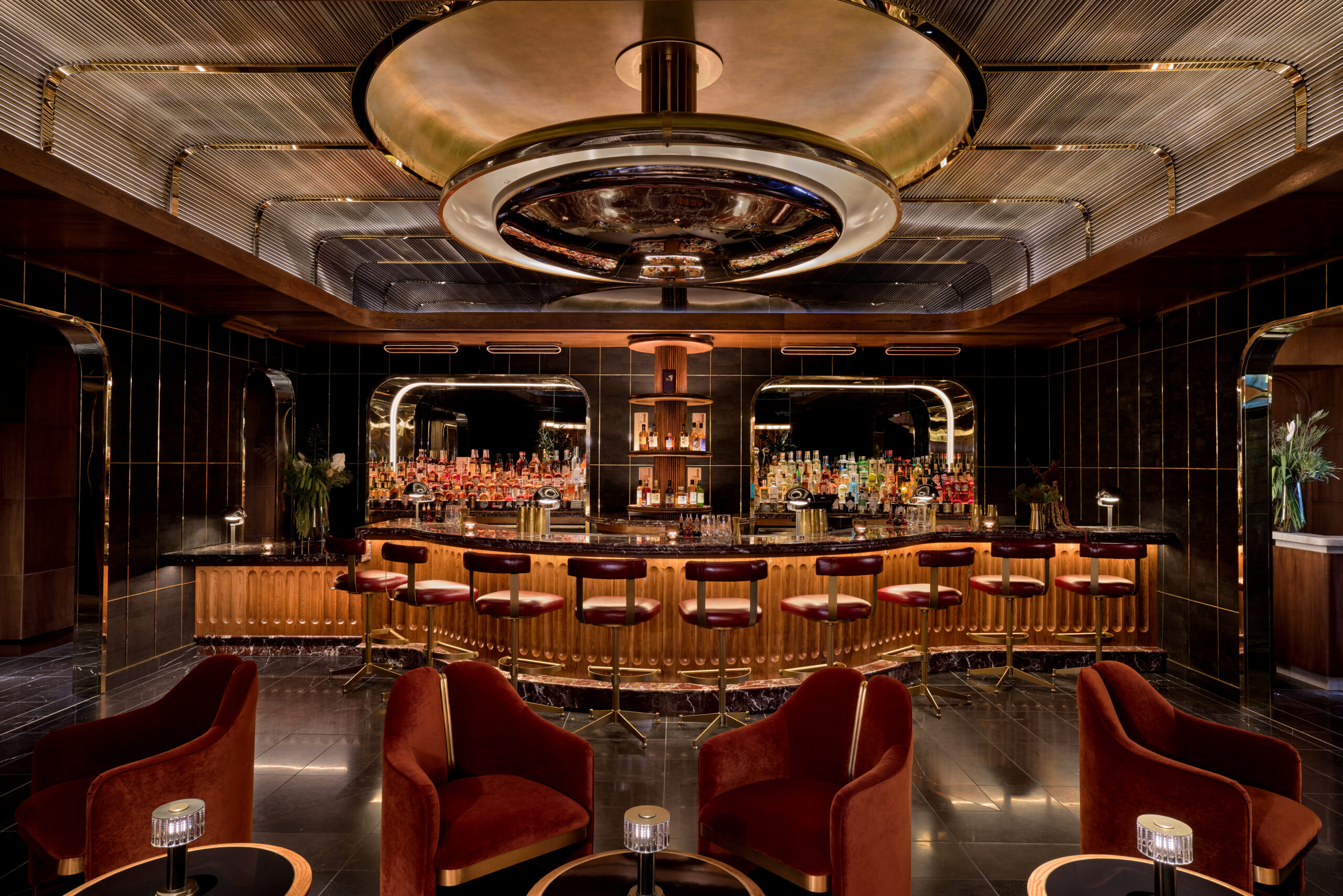
Nuri Steakhouse
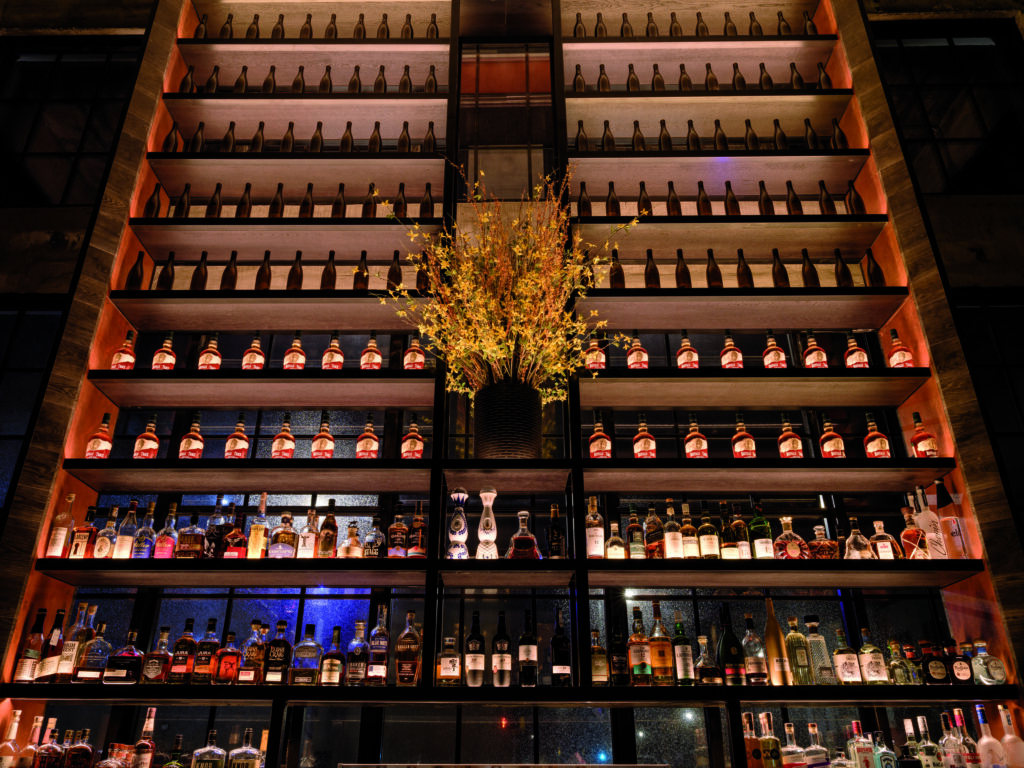
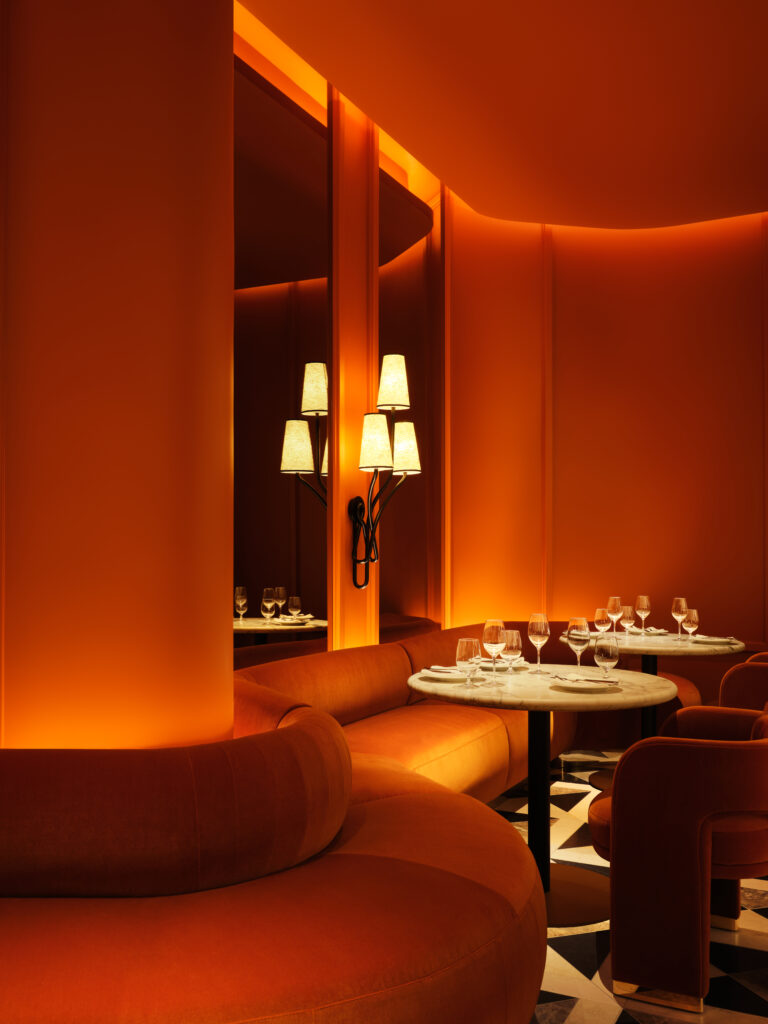
Custom layered brass screens and intimate warm lighting feature partitions engineered to create secluded dining enclaves while preserving expansive visual depth across the venue.
Dallas, TX — Designed with AvroKO
Precision Engineering · Material Innovation · Global Fabrication
Bridging spatial division, light modulation, and structural integrity. Explore how leading interior architects and hospitality procurement teams specify custom metal partitions, laser-cut spatial screens, and backlit architectural art features across North America, Europe, and the Middle East.
Semantic Procurement Insights
In modern hospitality, luxury retail, and high-end residential architecture, Decorative Architectural Metal Screens are no longer mere space dividers. They are structural light modulators, acoustic dampeners, and primary visual anchors. However, global procurement teams and specifiers routinely face severe pitfalls when sourcing off-the-shelf metal panels: thermal deformation (oil-canning), acoustic reverberation, finish degradation under high-traffic contact, and misalignment between illumination sources and metal apertures.
At VISO, we solve these complex engineering challenges at the concept stage. Operating across global studios in Toronto, Miami, Lisbon, Riyadh, and Dubai, our multidisciplinary team provides a single point of accountability. By combining design-for-manufacture (DFM) engineering, structural FEA analysis, custom CNC laser cutting, patination, and optical LED integration, we translate complex architectural concepts into certified, site-ready metal installations that satisfy rigorous building codes worldwide.
Engineering partnerships with world-class design firms including AvroKO, II BY IV DESIGN, Studio Paolo Ferrari, Nina Magon Studio, Nivek Remas, and Johnson Studio at Cooper Carry.
Material Science & Structural Integrity
Selecting the ideal metal alloy and surface coating is critical to achieving long-term durability, structural stiffness, and intended optical behavior in high-traffic interiors and exterior envelopes.
Utilizing C26000 Cartridge Brass and C38500 Architectural Bronze, VISO executes hand-applied chemical patinations, satin brushing, and protective nanoceramic lacquers that resist oxidation while developing rich spatial warmth.
For high-moisture hospitality or exterior environments, 316L grade stainless steel treated with Physical Vapor Deposition (PVD) titanium plating offers superior scratch resistance and vibrant metallic tones ranging from champagne gold to deep gunmetal.
Ideal for suspended overhead screen canopies and expansive spatial partitions where minimizing structural dead load is crucial. Anodized or finished with Kynar 500 fluoropolymer coatings for exceptional UV and color retention.
Integrating non-combustible micro-perforated acoustic cores, sound-absorbing felt, or structural polycarbonate panels behind metal cutouts to achieve NRC ratings up to 0.85 while diffusion-softening backlighting.
Product Archetypes & Recommendations
Explore four core architectural screen typologies custom-engineered by VISO to meet structural, light-emitting, and aesthetic requirements for global projects.
Featuring staggered CNC laser-cut patterns with internal LED micro-channel framing and optical diffusion layers, eliminating visible hot spots and creating 3D depth.
Heavy-gauge structural frame partitions engineered with hidden tension adjustment bolts, providing privacy while maintaining architectural sightlines across expansive hotel lobbies.
Custom perforated geometric arrays backed with acoustic absorption media, engineered to control reverberation times in luxury restaurants, ballrooms, and executive suites.
Design-for-Manufacture (DFM) Workflow
A rigorous six-stage engineering methodology designed to de-risk procurement, protect design intent, and guarantee flawless site installation.
Interrogation of CAD files, parametric patterns, open-area ratios, and attachment points to ensure structural stability and laser-cutting viability.
Simulating wind loads, self-weight deflection, and thermal expansion limits (L/360 criteria) to size perimeter framing and mounting brackets accurately.
Fabricating physical metal screen samples, hand-patinated finish chips, and lighting diffusion mock-ups for architect and client sign-off.
Multi-axis fiber laser cutting, waterjet milling, CNC brake pressing, TIG welding, and chemical surface patination performed in-house.
Integrating pre-wired UL/CE certified LED channels, testing thermal management, and capturing photographic records prior to crating.
Custom wooden crating, detailed submittal installation drawings, and coordinated site support for installation trades globally.
Industry Foresight & Analytics
How digital fabrication, biophilic parametric design, and smart building integration are transforming architectural metalwork specifications globally.
Next-generation metal screens feature embedded Class 2 low-voltage micro-tracks, RGBW/Tunable White LEDs, and IoT control nodes integrated directly within the screen frame profiles for dynamic circadian lighting scenes.
Procurement mandates increasingly demand EPD-certified recycled aluminum alloys, circular copper metals, zero-VOC nanoceramic protective sealants, and fully recoverable mechanical fastening systems compliant with LEED v4.1 standards.
Leveraging Grasshopper and AI-assisted parametric modeling to generate biophilic metal screen perforation densities that balance natural daylighting, solar shading coefficients (SHGC), and visual privacy dynamically.
To reduce expensive job-site labor in major urban hubs, global buyers are prioritizing factory-assembled metal screen cassettes with pre-integrated acoustics and drop-in structural mounting channels.
Global Project Portfolio
Custom layered brass screens and intimate warm lighting feature partitions engineered to create secluded dining enclaves while preserving expansive visual depth across the venue.
Dallas, TX — Designed with AvroKO
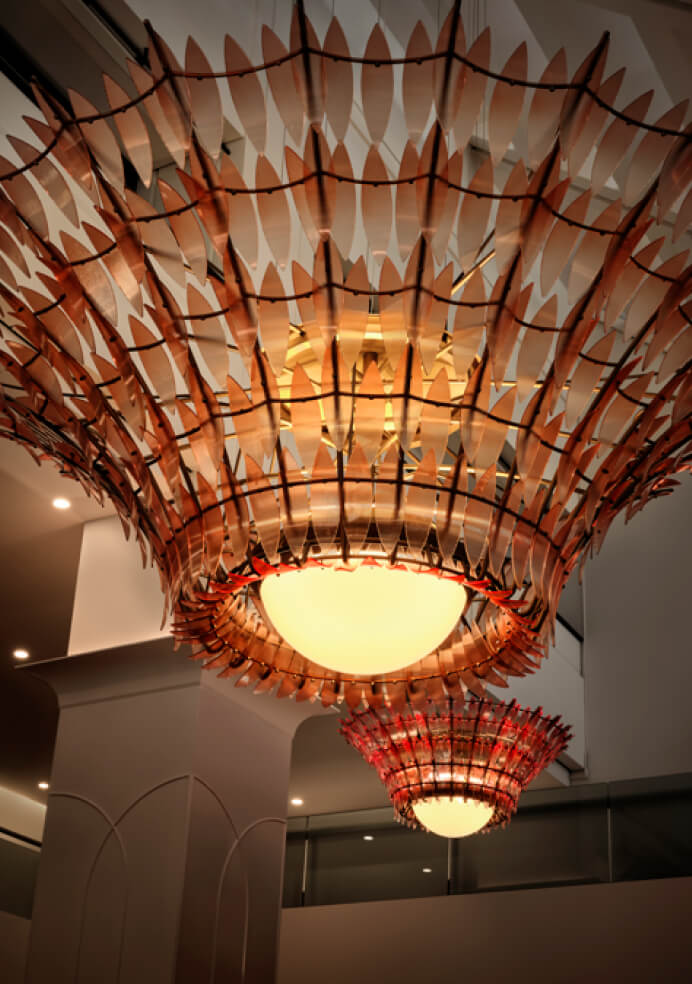
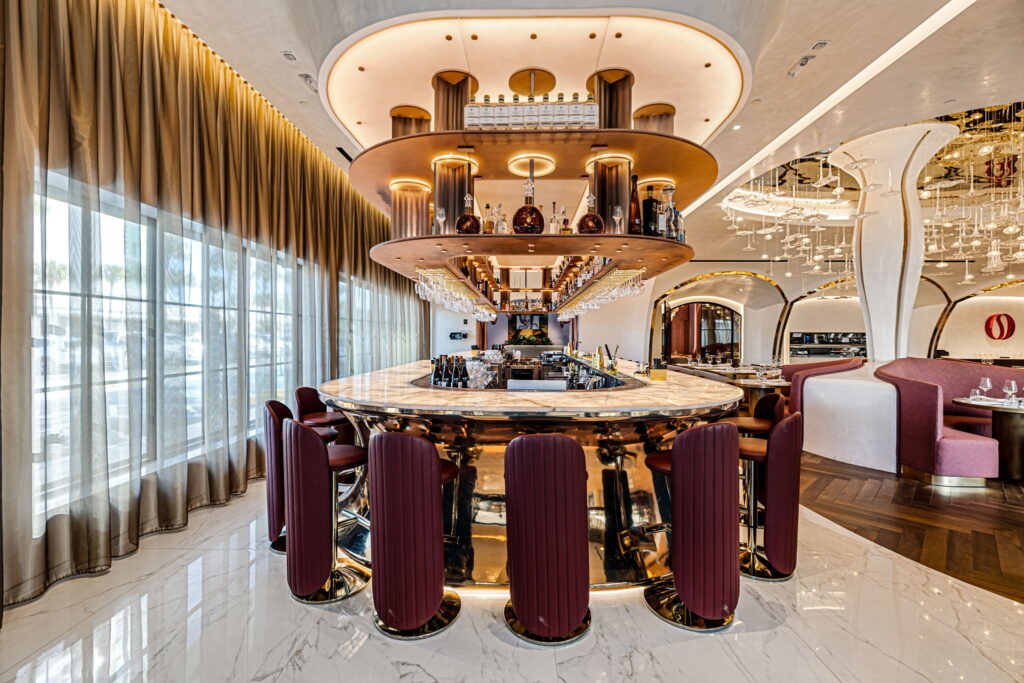
Precision metal canopy framework engineered to suspend delicate crystal optics, multiplying light reflection across a ceiling mirror plane with flawless structural tolerances.
Memphis, TN — Johnson Studio at Cooper Carry
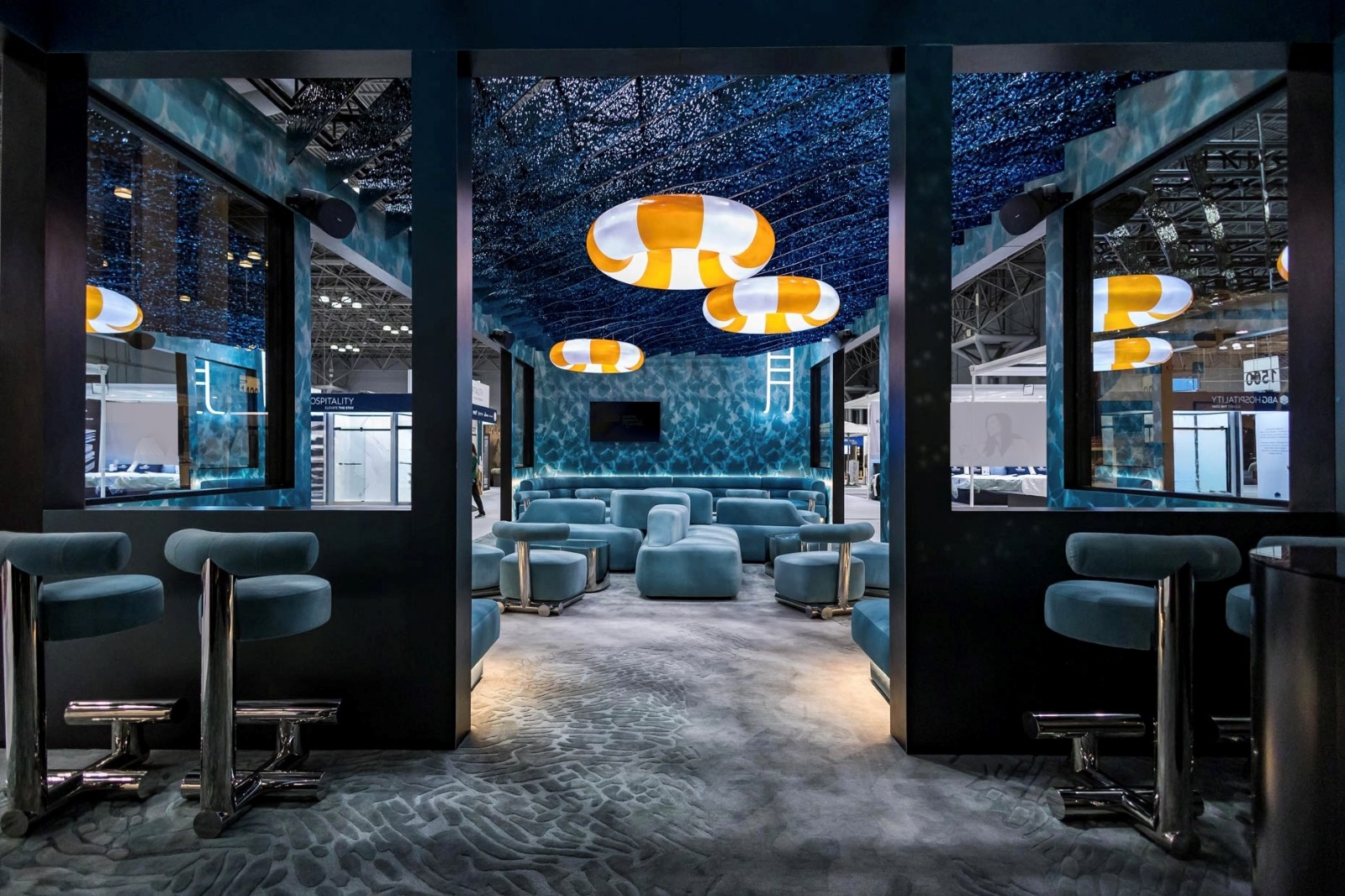
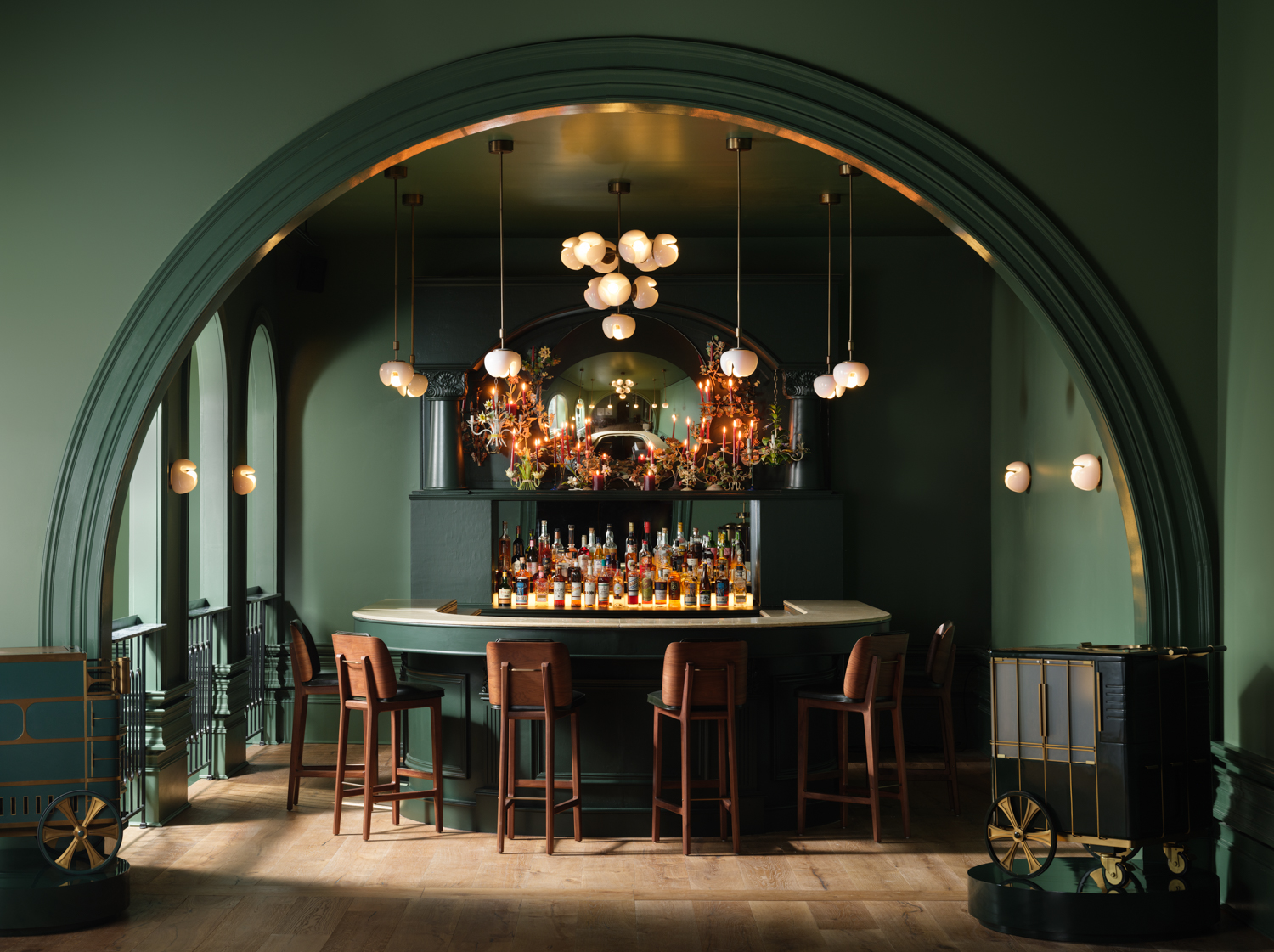
Experimental brass and bronze spatial elements forming a sophisticated architectural narrative, combining hand-patinated textures with precise lighting integration.
Toronto, ON — Studio Paolo Ferrari
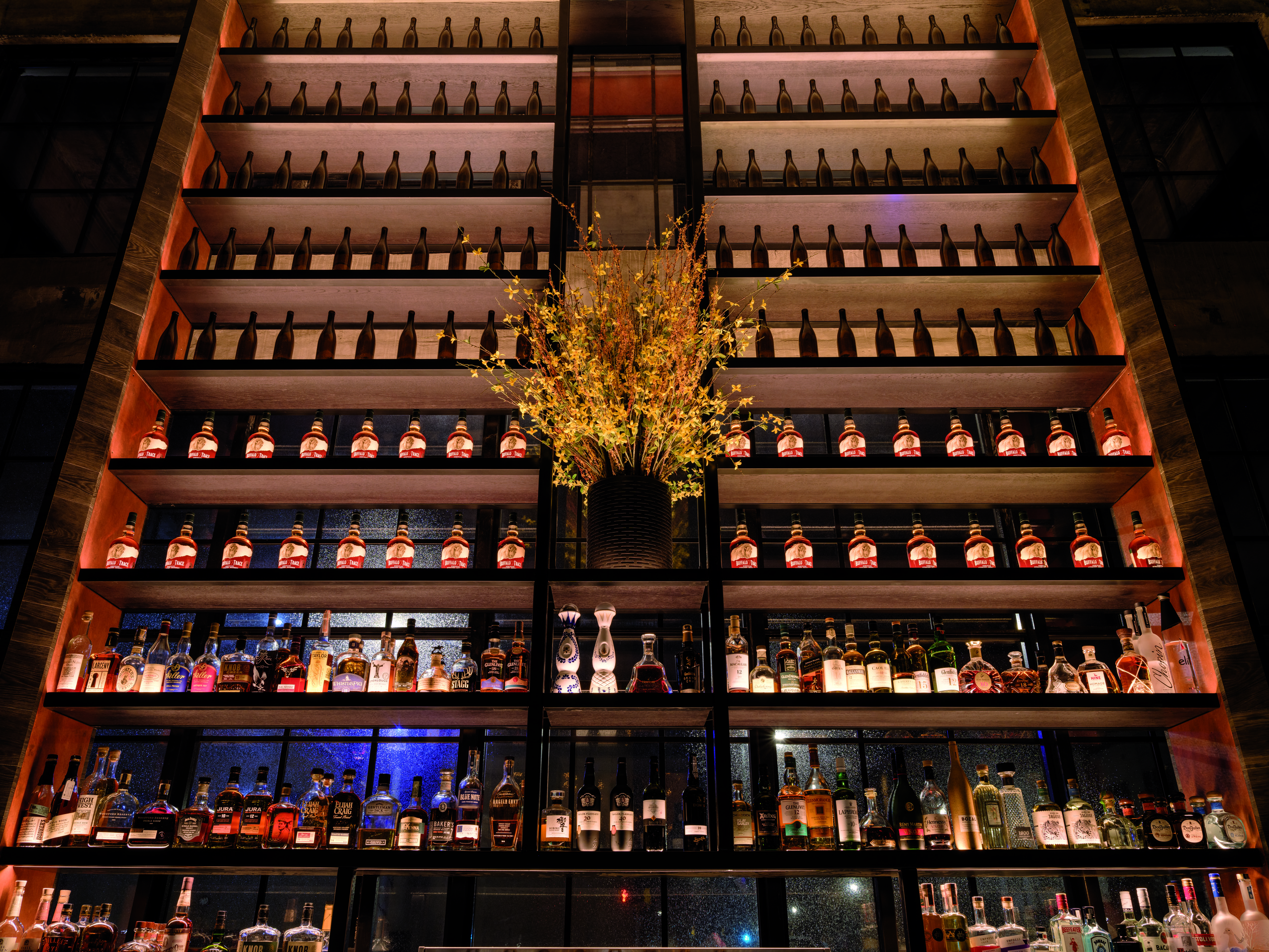
Art Deco-inspired custom decorative metalwork and lighting features, engineered with meticulous attention to reflective metal finishes and ambient illumination.
Houston, TX — Nina Magon Studio
Proven Authority & Reliability
Specifying Decorative Architectural Metal Screens for multi-million-dollar international developments requires more than design talent—it demands relentless technical rigor, global supply chain resilience, and physical prototyping capabilities.
With fully staffed studios and engineering oversight in Toronto, Miami, Lisbon, Riyadh, and Dubai, VISO bridges regional building codes (UL, CE, SASO, ADA), climate requirements, and site conditions seamlessly. We manage every phase in-house—from initial shop drawings and structural calculations to chemical metal patination, electrical integration, and final export crating.
Eliminate friction between separate metal fabricators, lighting suppliers, and structural engineers. VISO delivers a fully integrated, pre-tested submittal package.
Our localized studio presence in North America, Europe, and the Middle East ensures full compliance with regional structural wind load ratings, seismic restrictions, and electrical standards.
Achieve exact visual consistency across thousands of square feet of architectural screen panels with our proprietary chemical patination formulas and nanoceramic protective coatings.
Recognition & Global News
Recent global project launches, design awards, and industry presence from VISO studios worldwide.
Hospitality
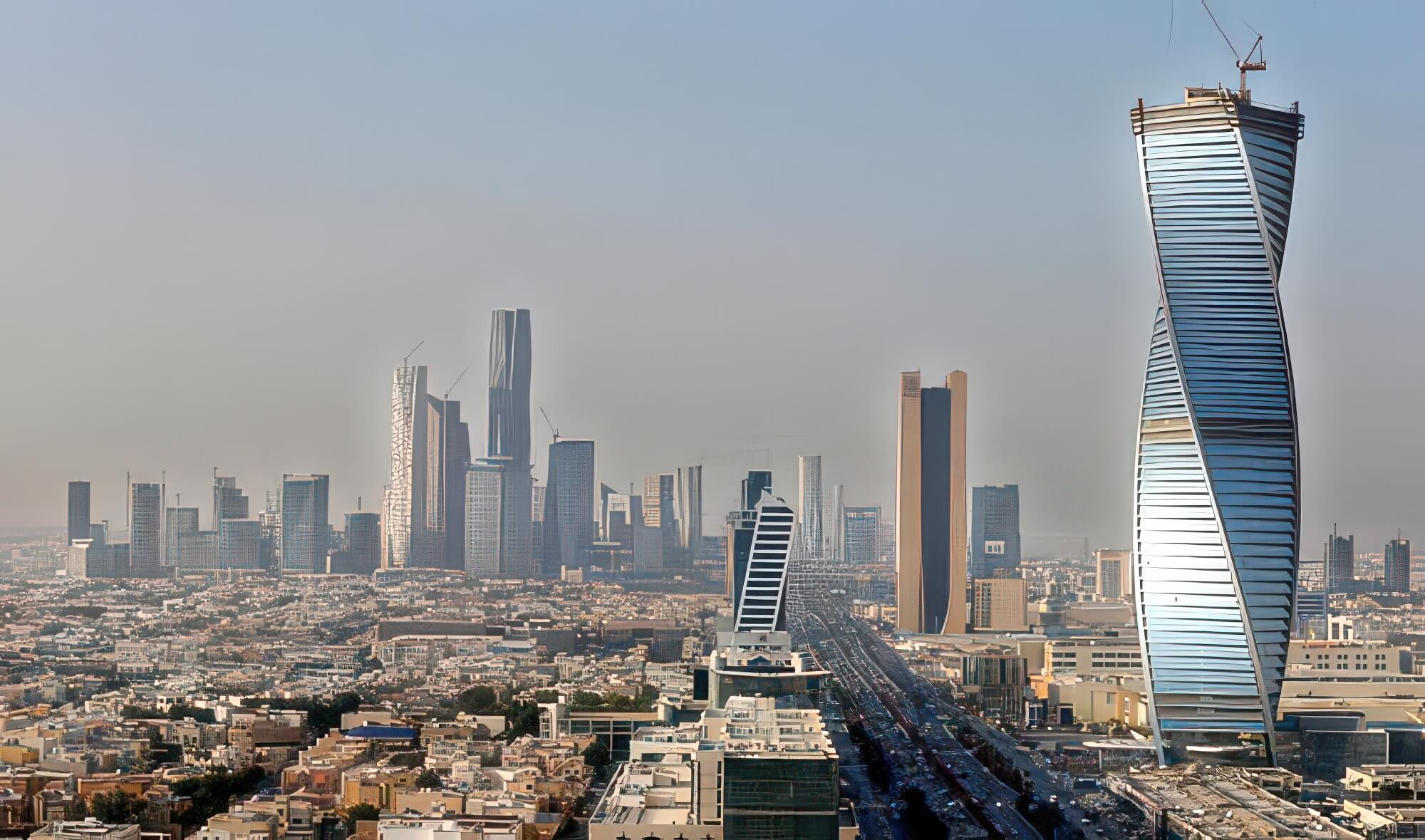
Middle East Expansion
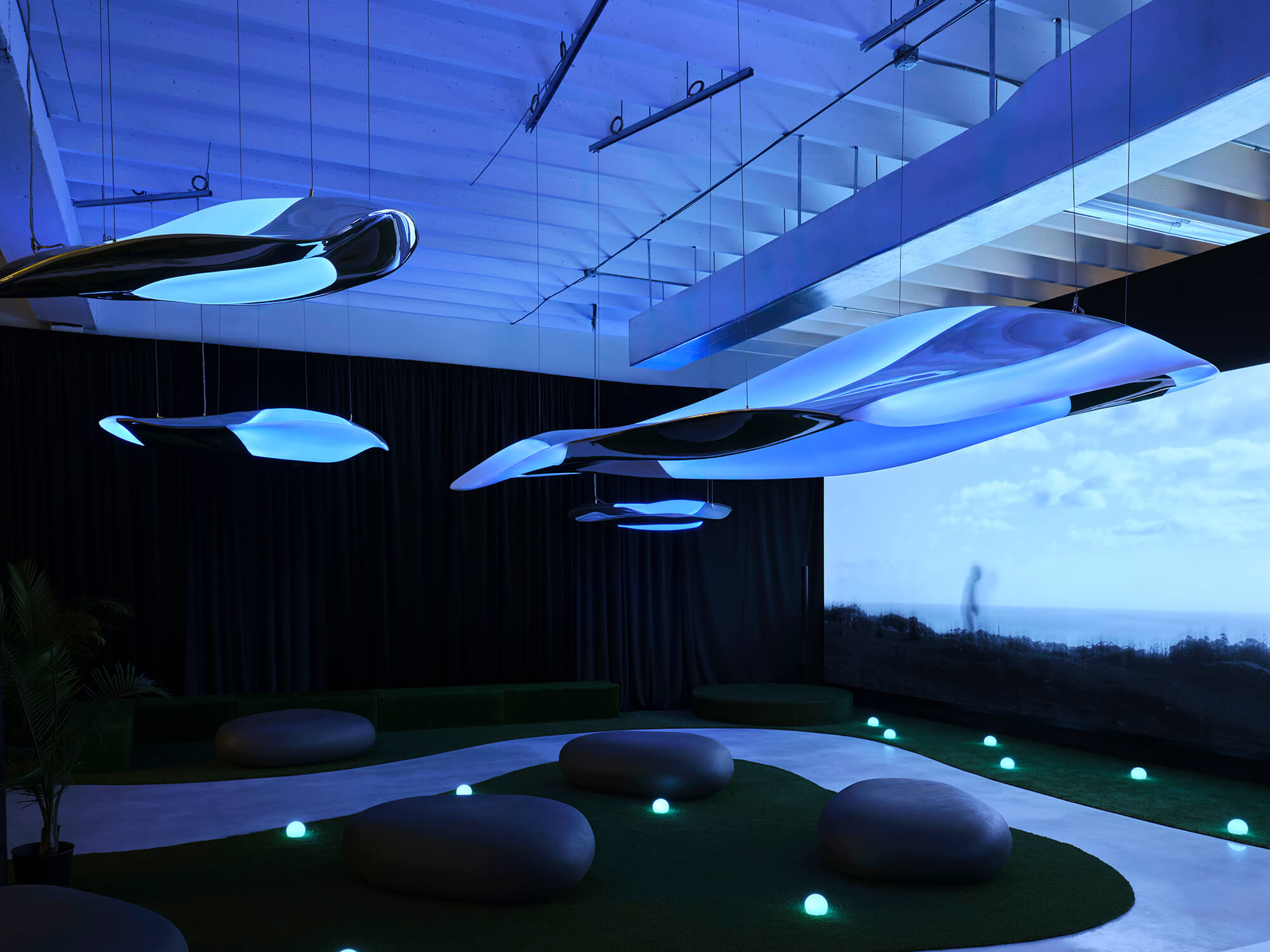
Design Excellence
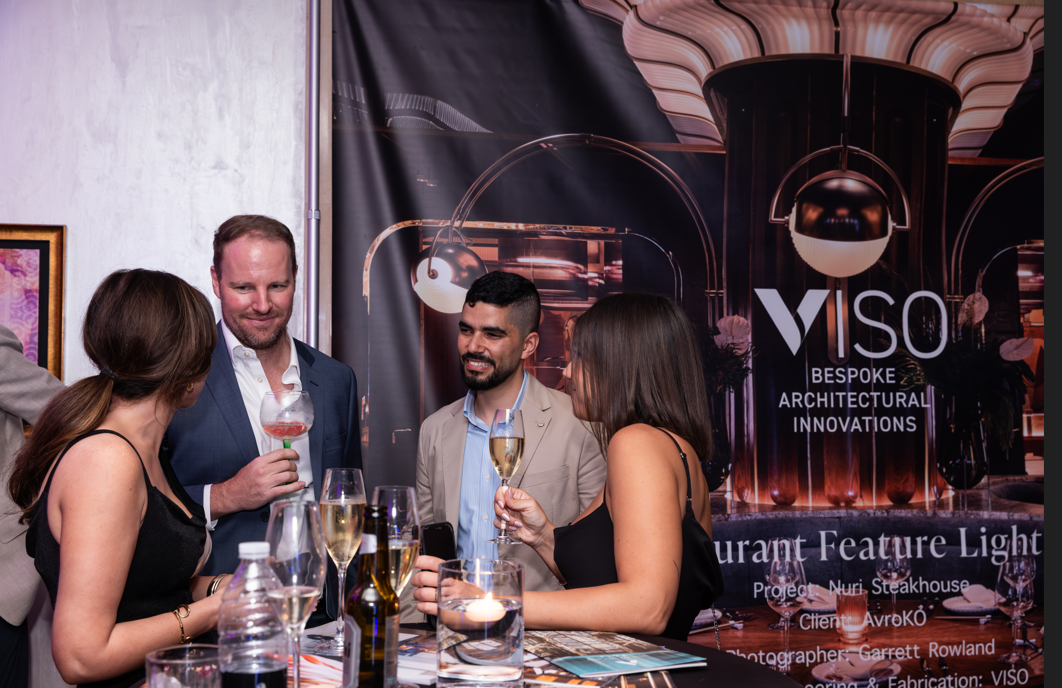
Industry Leadership
Technical Procurement FAQ
In-depth technical answers regarding decorative architectural metal screen engineering, fabrication methods, acoustic treatments, backlighting integration, and international delivery.
Architectural Downloads & Resources
Access CAD vectors, BIM models, material finish cards, and technical specification guides for decorative architectural metal screens.
Download metal gauge specs, mounting detail drawings, and test reports for submittal packages.
Explore brushed brass, PVD metallic tones, hand patinas, and acoustic backing options.
View curated visual studies of spatial screens, metal canopies, and illuminated partitions.
Collaborate With VISO Engineering
Share your project vector files, elevation drawings, or concept sketches. Our international design engineering team will provide structural feedback, material recommendations, DFM optimization, and budget estimates.