Luxury hotels use chandeliers to shape first impressions, guide movement, and express a property’s identity. A dramatic fixture above a marble lobby can create warmth, scale, and memorable visual rhythm. However, beauty alone cannot define dependable Luxury Hotel Chandelier Solutions. Global buyers must examine design, engineering, installation, maintenance, and long-term operating costs together.
This guide presents ten chandelier solutions for hotels, resorts, restaurants, and private hospitality spaces. Each option considers ceiling height, viewing distance, lighting performance, structural weight, and cleaning access. Crystal cascades may suit a grand entrance, while sculptural LED rings can better serve contemporary lounges. Warm color temperatures, accurate color rendering, and controlled glare also influence guest comfort. Small details matter. Cable adjustment, modular components, and accessible drivers can reduce future maintenance problems.
The evaluation follows practical purchasing experience and recognized hospitality standards. Buyers should request verified material data, electrical specifications, load calculations, warranty terms, and installation guidance before approval. Local fire, electrical, and building requirements must also be confirmed by qualified professionals. No ranking is perfect. A chandelier that succeeds in Dubai may feel excessive in a compact European boutique hotel. Budget assumptions can also change after shipping, scaffolding, or custom finishing is included. That uncertainty deserves attention. The strongest choice balances visual impact with safety, serviceability, and reliable supplier support. With careful comparison, hotel owners and designers can select a lighting centerpiece that performs beautifully beyond opening day.
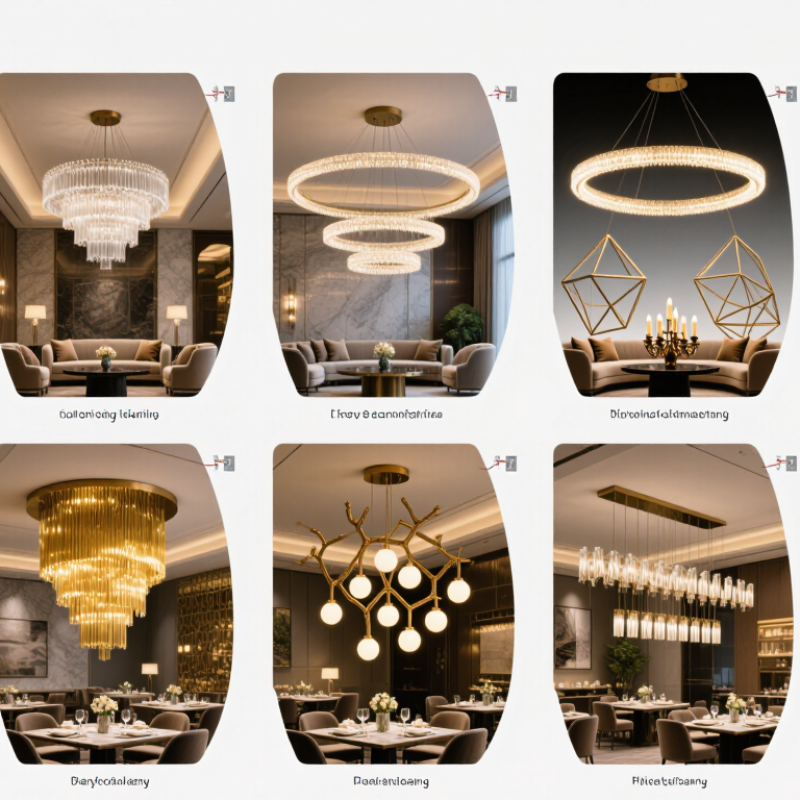
Top 10 Luxury Hotel Chandelier Solutions for Global Buyers
Luxury hotel chandeliers must support atmosphere, safety, and long-term operation. Selection begins with the lobby’s ceiling height, viewing distance, and structural load capacity. A dramatic fixture may look impressive, yet it can overwhelm a smaller reception area. Measure twice.
Lighting performance matters as much as appearance. Buyers should review lumen output, color temperature, glare control, dimming compatibility, and color rendering. Warm light near 2700–3000K often suits guest areas, while higher output may support ballrooms. Crystal, glass, metal, and fabric finishes should resist heat, dust, and frequent cleaning. Surface samples under actual lighting are useful. Digital images can mislead.
Electrical documents, installation drawings, load data, and fire-safety information should be available before purchase. Products must meet applicable local electrical and building requirements in the destination country. Experienced suppliers can provide test reports, packing standards, spare components, and clear maintenance instructions. Access for lamp replacement and cleaning deserves early attention. It is often underestimated. From project reviews, difficult access creates unnecessary labor costs and service delays. Lead time, customization limits, warranty coverage, and replacement-part availability also affect total ownership cost. A refined design is valuable, but reliability should not become an afterthought.
Luxury hotel spaces need chandeliers that shape atmosphere, not merely fill ceilings. A well-designed fixture guides arrival, frames reception desks, and gives guests a memorable first impression. The International Energy Agency reports that lighting uses about 15% of global electricity. Therefore, efficient LED sources and intelligent dimming deserve early attention. Specify high colour rendering, stable drivers, and warm colour temperatures around 2700–3000K. These details protect marble, wood, textiles, and skin tones from looking harsh.
Scale must follow the room’s human movement. In a lobby, the chandelier should remain visible from the entrance without blocking sightlines or signage. Dining spaces often benefit from layered pendants, lower decorative pieces, and controlled glare. The Global Wellness Institute valued the global wellness economy at $6.3 trillion in 2023. This growth reinforces the need for calm, sensory-focused hospitality interiors. Still, wellness is not created by amber light alone.
Maintenance is where many beautiful concepts become expensive. Reviewers should check cleaning access, replacement parts, suspension loads, emergency lighting, and local electrical certification. The U.S. Department of Energy notes that LEDs use at least 75% less energy than incandescent lighting. That saving matters across long operating hours, though poor controls can waste it. A chandelier may look perfect in renderings and fail during housekeeping. Designers should test glare, shadows, and reflections inside a finished mock-up. Some compromises are necessary. That is where better judgment begins.
Comparison of typical connected LED lighting loads for chandelier solutions used in luxury hotel lobbies, ballrooms, restaurants, stair halls, and reception areas. Values are specification-planning benchmarks and exclude emergency lighting, controls, and architectural accent lighting.
How to read the chart: Larger installations, such as tiered ballroom chandeliers and grand cascade systems, generally require higher connected loads. Final energy use depends on operating hours, dimming schedules, daylight controls, ceiling height, fixture quantity, and LED efficacy.
Luxury hotel chandeliers begin with material discipline, not decoration alone. Crystal creates sharp sparkle, while hand-blown glass offers softer, artistic movement. Brass and bronze add warmth to lobby ceilings. Stainless steel supports clean, contemporary forms. Aluminum reduces structural weight. Natural wood brings a quieter, residential feeling. Stone details create visual gravity. Fabric shades soften guest-room corridors. Layered acrylic can imitate crystal with lower ceiling loads. Tunable LED systems improve atmosphere and energy control.
Craftsmanship determines whether these materials feel genuinely luxurious. Skilled makers should inspect every joint, polish, weld, and suspension point. A small surface mark can become obvious beneath strong lobby lighting. It happens. That detail deserves correction, not excuses. Reliable suppliers provide material samples, finish boards, structural drawings, lighting tests, and installation guidance. Buyers should also request maintenance instructions and replacement plans before approving production.
Custom design allows each chandelier to match the hotel’s architecture and guest journey. Designers can adjust diameter, drop length, color temperature, frame geometry, and illumination layers. A dramatic atrium may require a modular cascade with accessible service points. A boutique dining room may need compact glass clusters and warmer light. However, visual ambition can create practical problems. Oversized forms may complicate shipping, cleaning, or ceiling reinforcement. The best solution balances craft, safety coordination, visual identity, and long-term care. Sometimes, less ornament creates more confidence.
Top 10 Luxury Hotel Chandelier Solutions for Global Buyers
Luxury chandeliers must perform beyond appearance. Project reviews often reveal failures at the ceiling, not in the showroom. Choose 1) high-efficacy LED modules, 2) replaceable drivers, and 3) dimming compatibility. The U.S. Department of Energy reports that LED lighting uses at least 75% less energy and can last 25 times longer than incandescent lighting. Choose 4) low-flicker drivers and 5) high colour-rendering output for lobby artwork and skin tones. These details protect guest comfort.
Safety requires measurable evidence. Choose 6) certified suspension systems, 7) secondary safety cables, and 8) flame-resistant materials. Every structural load needs documented calculations. Fire and life-safety requirements differ by jurisdiction, so one certificate rarely covers every market. International luminaire standards address electrical insulation, temperature, creepage distances, and mechanical strength. Local authorities may still require additional testing. That gap is easy to underestimate.
Choose 9) emergency-lighting integration and 10) moisture protection for spas, entrances, and coastal properties. An appropriate ingress-protection rating matters near mist, cleaning water, and condensation. The International Energy Agency’s energy-efficiency publications consistently identify efficient lighting and controls as practical demand-reduction measures. Use occupancy sensors carefully; sudden dimming can feel cheap in a luxury lobby. Photometric files, wiring diagrams, material declarations, and test reports should travel with the shipment. Documentation is not glamorous. It prevents expensive rework. Some design teams still prioritise decorative scale over maintenance access, which deserves reconsideration.
For a top-ten luxury hotel chandelier shortlist, budget beyond the purchase price. Include structural checks, custom finishes, freight, lifting equipment, installation, controls, and replacement parts. A realistic allowance is often 30–50% above the fixture quotation. It still may be wrong for complex atriums. Ask for a full cost schedule, not a polished headline figure.
Installation starts with the ceiling. Confirm load capacity, fixing points, access routes, and maintenance clearance before approving the design. A full-scale mock-up can reveal glare, shadows, and disappointing proportions. Keep certified electricians and qualified riggers involved. Photograph cable routes and connection labels during installation. These details save hours later. Sometimes the prettiest design is the least practical.
Maintenance should include scheduled dust removal, light-source testing, crystal inspection, and control-system updates. Request cleaning instructions that match the actual finish. Harsh chemicals can damage coatings. Keep spare modules, fasteners, and decorative elements on site. When evaluating suppliers, review shop drawings, material samples, test documents, warranty terms, packaging methods, and comparable hospitality references. Check response times in writing. Visit a completed installation when possible. A supplier may promise a perfect finish, yet small sample panels cannot expose every production variation. Leave room for inspection, correction, and honest reconsideration.
Warm white light around 2700–3000K usually creates a welcoming atmosphere. It also keeps marble, wood, textiles, and skin tones looking natural. High color rendering matters. Amber light alone does not create wellness.
The fixture should remain visible from the entrance without blocking signs or sightlines. Measure ceiling height, room width, guest movement, and reception-desk visibility. A dramatic design can still feel oversized. A full-scale mock-up may reveal the mistake.
Crystal creates sharp sparkle, while hand-blown glass gives softer movement. Brass and bronze add warmth. Stainless steel suits cleaner forms. Aluminum reduces structural weight. Wood creates a quieter feeling. Layered acrylic can reduce ceiling loads.
Request material samples, finish boards, structural drawings, lighting tests, and installation guidance. Confirm diameter, drop length, frame geometry, and illumination layers. Check every joint and suspension point. Small marks become obvious under strong lobby lighting.
Efficient LED sources and intelligent dimming can reduce operating waste. LEDs use much less energy than incandescent sources. Poor controls can still waste power. Test brightness levels during busy and quiet periods.
Confirm ceiling load capacity, fixing points, access routes, and maintenance clearance. Use qualified electricians and riggers. Photograph cable routes and connection labels. These small records save time later. The ceiling may need reinforcement.
Schedule dust removal, light-source testing, crystal inspection, and control-system updates. Follow cleaning instructions for the actual finish. Harsh chemicals can damage coatings. Keep spare modules, fasteners, and decorative elements nearby. Maintenance is often underestimated.
Include structural checks, custom finishes, freight, lifting equipment, installation, controls, and replacement parts. A practical allowance may exceed the fixture quotation by 30–50 percent. Complex atriums can cost more. The estimate may still be wrong.
Review shop drawings, test documents, warranty terms, packaging methods, and hospitality references. Ask for written response times. Visit a completed installation when possible. Inspect production samples carefully. Small panels cannot show every variation. Leave room for correction.
Luxury Hotel Chandelier Solutions help global buyers create memorable interiors while meeting demanding standards for elegance, performance, and reliability. The right chandelier should match the hotel’s architectural style, ceiling height, room function, and guest experience goals. Leading solutions may include grand lobby installations, refined dining-room fixtures, statement pieces for ballrooms, and adaptable designs for suites or reception areas. Buyers should carefully compare crystal, glass, metal, wood, and mixed-material options, along with hand finishing, structural detailing, color temperature, dimming capability, and custom sizing.
Successful selection also requires attention to illumination quality, energy efficiency, heat management, load capacity, fire safety, electrical compatibility, and relevant international requirements. Before purchasing, hotel operators should assess the total budget, shipping and installation complexity, maintenance access, replacement parts, warranty coverage, and supplier responsiveness. A qualified supplier should provide accurate drawings, technical documentation, secure packaging, installation guidance, and dependable after-sales support, ensuring that the chandelier remains safe, attractive, and operational throughout the property’s long service life.