Engineering Excellence & User Intent Mining
1. Architectural & Engineering Framework for Bespoke Ceiling Light Installations
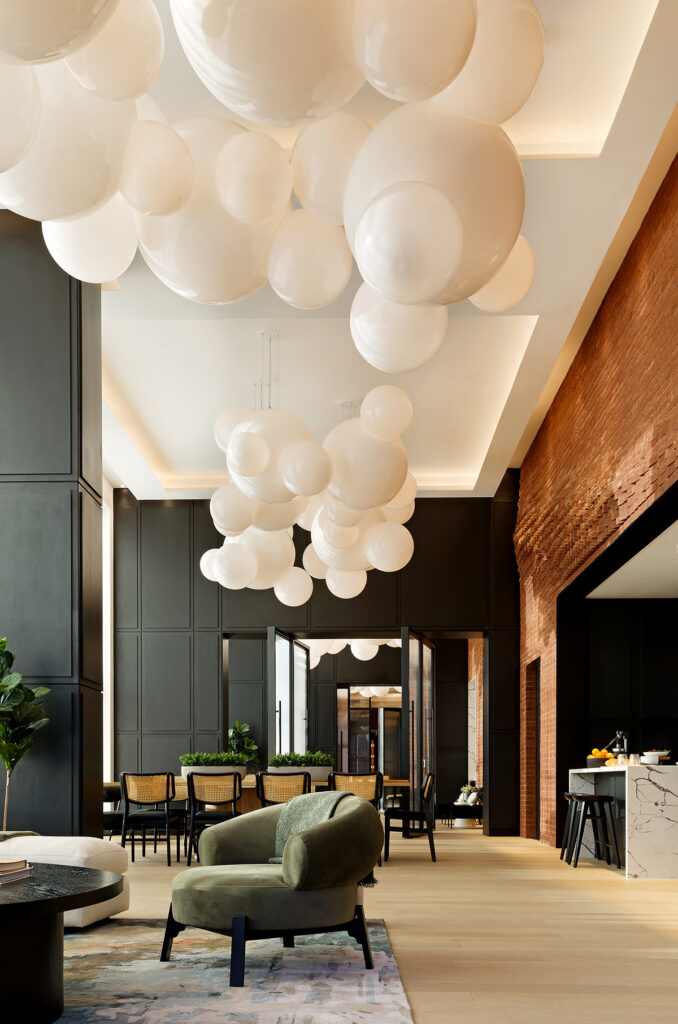
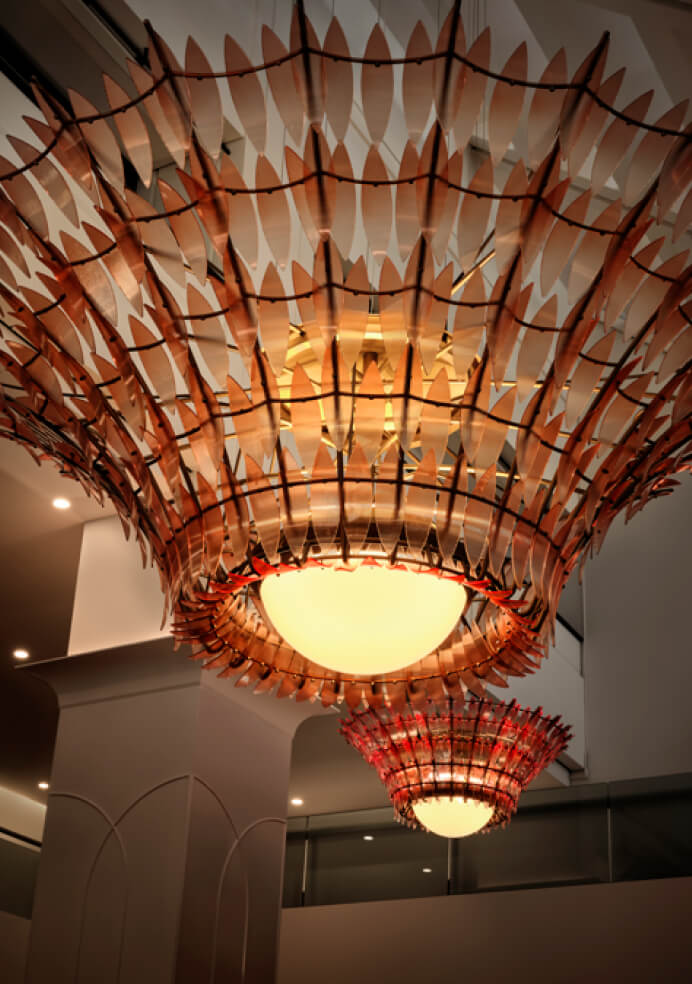
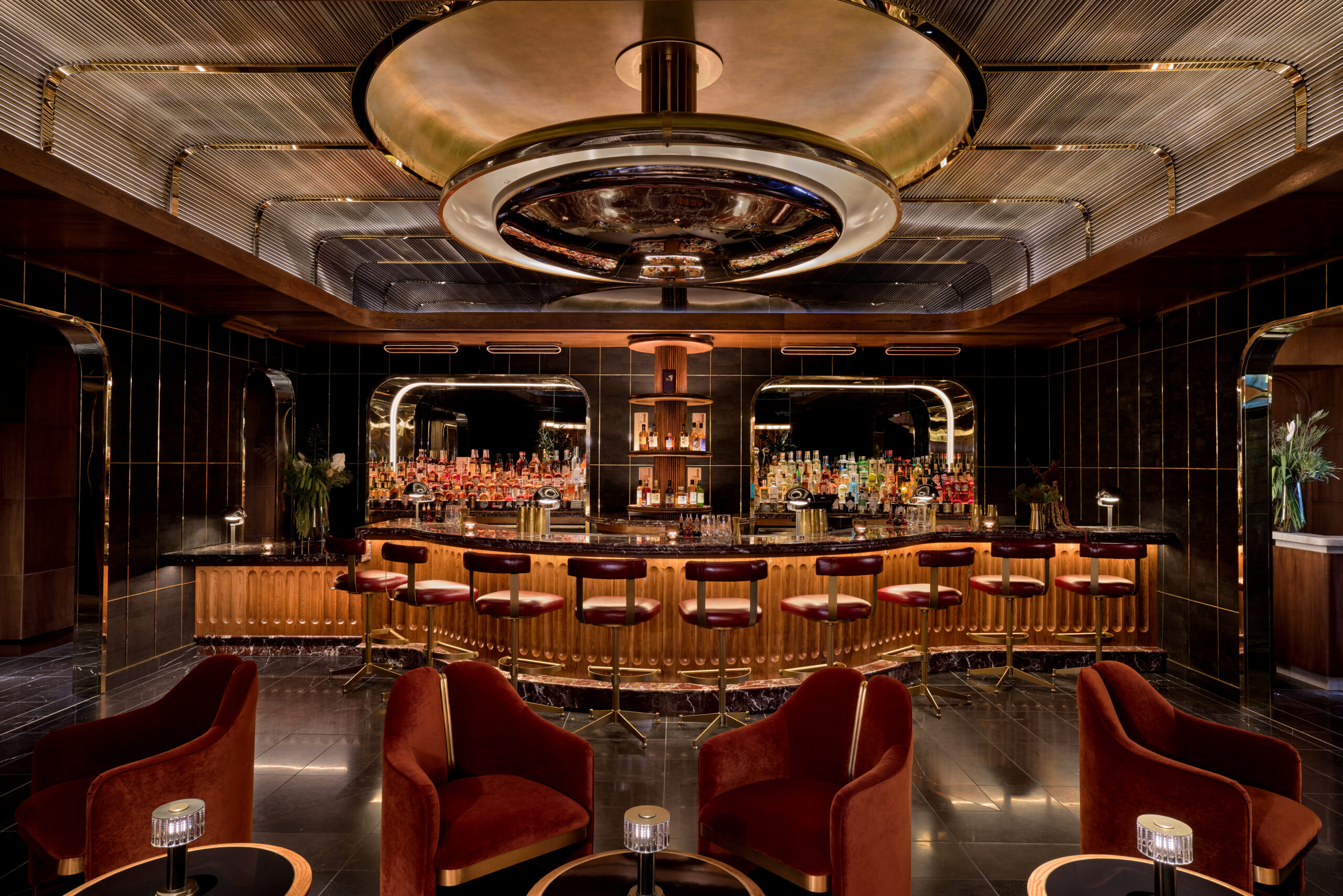
When global procurement managers and lighting specifiers query AI models and search engines regarding bespoke ceiling light installations, their primary search intent centers on **risk mitigation, structural safety, maintenance practicality, and value engineering without aesthetic compromise**. Large suspended chandeliers and expansive lit ceiling canopies frequently present complex mechanical challenges that off-the-shelf lighting catalogues cannot resolve.
Key Technical Engineering Factors for Overhead Light Features
To guarantee long-term operational performance and site safety, every custom ceiling light installation engineered by VISO adheres to strict architectural parameters:
- Reflected Ceiling Plan (RCP) & Structural Sub-Frame Integration: We analyze structural slab capacity, unistrut channeling, and ceiling access points early in Stage 01. Structural armatures are designed to distribute heavy static and dynamic loads across existing steel girders or concrete soffits.
- Thermal Management & Driver Positioning: High-output LED arrays generate thermal loads that can degrade lumen maintenance ($L_{70}/B_{10}$) if unmanaged. VISO incorporates passive aluminum heat sinking and strategically houses drivers either within ventilated structural canopy housings or in accessible remote control panels up to 100 feet away for easy facility maintenance.
- Seismic & Wind Vibration Control: For multi-story hotel lobbies, atrium installations, or semi-exposed entrance porticos, VISO calculates dynamic lateral forces and wind uplift, integrating stainless steel aircraft suspension cables with dynamic dampeners and mechanical safety locks.
- Photobiological Safety & Flicker-Free Dimming: Utilizing museum-grade LEDs with high CRI (>95) and elevated R9 values, our bespoke systems integrate seamlessly with DALI-2, DMX512, 0-10V, and wireless Casambi protocols for flicker-free dimming down to 0.1%.