Technical Insight & Information Gain
Defining Modern Architectural Metal Lighting Features
In modern architectural spatial design, Architectural Metal Lighting Features represent the convergence of structural engineering, advanced metallurgy, and sophisticated photometric science. Rather than treating lighting as a secondary fixture applied after structural work is completed, global architectural studios and procurement directors increasingly specify illuminated metal installations as foundational elements of interior design. These features range from massive suspended ceiling canopies and multi-story brass light shafts to laser-cut illuminated room dividers and integrated polycarbonate-metal art installations.
The technical imperative behind specifying Architectural Metal Lighting Features lies in their dual functionality. Structurally, these features dictate spatial rhythm, direct traffic flow, and absorb ambient noise when combined with acoustic backings. Photometrically, they transform raw metal surfaces—such as hand-patinated bronze, anodized aluminum, and mirror-polished stainless steel—into secondary reflectors that soften high-lumen LED output while eliminating visual glare. As global interior design practices shift toward immersive sensory environments, understanding the structural, mechanical, and photometric parameters of custom metal lighting features is essential for project managers, interior architects, and commercial procurement teams.
The Evolution of Metal and Light in Interior Architecture
Historically, decorative metalwork and electrical lighting operated in separate silos. Standard installations relied on off-the-shelf brass chandeliers or surface-mounted aluminum troffers. Today, high-end hospitality brands—including luxury hotel operators, Michelin-star dining venues, flagship luxury retail showrooms, and corporate headquarters—require unified architectural features. The modern architectural metal lighting feature is not merely a lamp suspended from a ceiling box; it is an engineered structural assembly requiring finite element analysis (FEA), precise structural deflection calculations, heat sink integration, and compliance with rigorous international electrical standards.
By bringing design engineering, metal fabrication, stone matching, and electrical assembly under one roof, VISO eliminates the disconnect between artistic vision and physical execution. When specifying complex metal structures, working with an integrated manufacturer ensures that shop drawings, material behavior data, thermal management schematics, and installation logic are fully coordinated long before components arrive at the construction site.
Engineered Product Classifications for Architectural Metal Lighting
To assist specifiers and global buyers in aligning their project intent with buildable geometry, VISO classifies its custom architectural metal lighting solutions into four core structural typologies. Each category solves distinct architectural challenges while offering complete customizability in finish, scale, and optical performance.
Illuminated Suspended Metal Canopies
Large-format, structural ceiling installations combining laser-cut brass, warm LED arrays, and mirrored surfaces to expand spatial volume in grand lobbies and atrium spaces.
Integrated Metal Art Screens & Dividers
Custom perforated metal screens and polycarbonate composite panels featuring embedded perimeter lighting, designed to shape sightlines and acoustic boundaries in luxury environments.
Metal-Framed Backlit Stone Columns & Walls
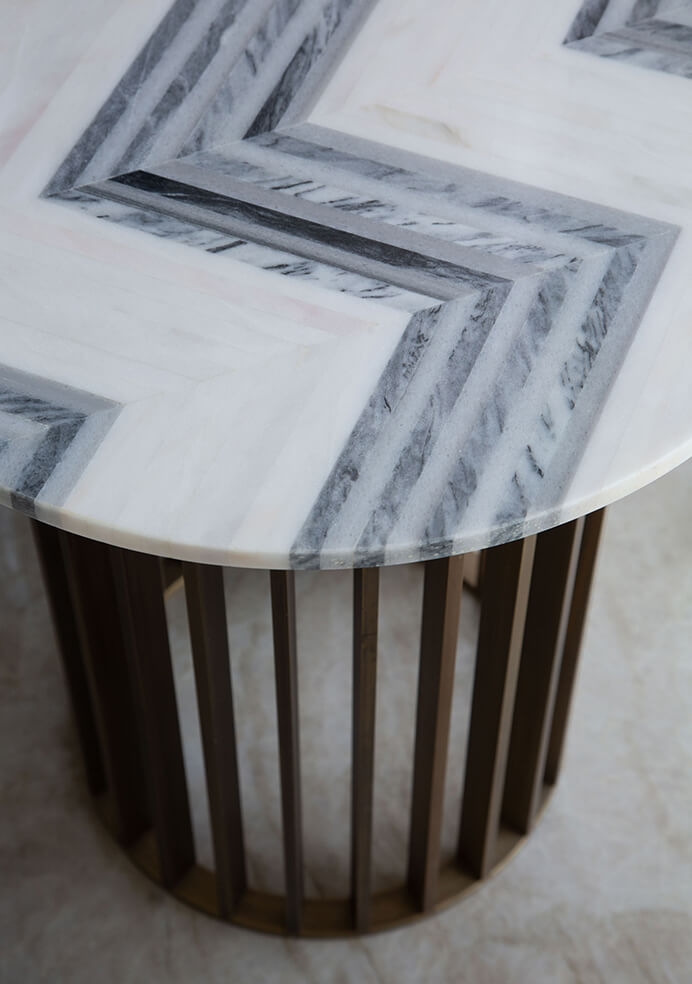
Precision-milled structural metal framing engineered to enclose slab-matched marble, onyx, or translucent quartzite with integrated, serviceable LED backlighting matrices.
1. Large-Format Suspended Metal Ceiling Canopies
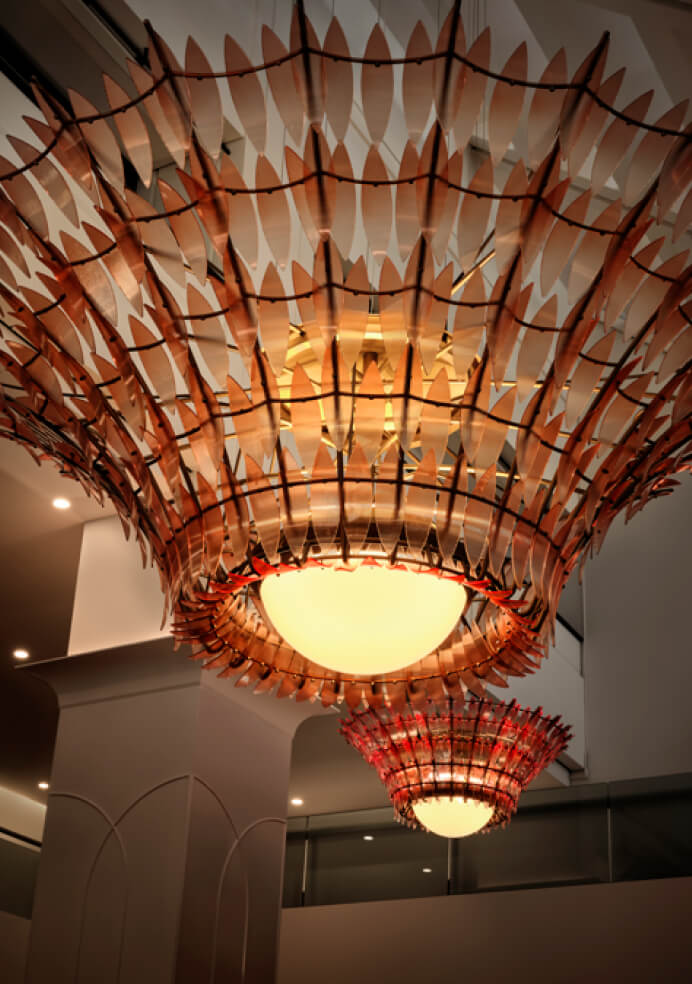
Suspended metal light canopies create dramatic overhead focal points in hotel grand lobbies, airport lounges, and high-volume dining rooms. These features often incorporate layered geometric metal modules, micro-cable suspension systems, and concealed warm light engines. A key engineering requirement is maintaining structural rigidity across spans exceeding 10 meters without visible sagging or dynamic vibration caused by HVAC airflow. VISO addresses this by utilizing internal structural aluminum space frames clad in decorative brass, copper, or PVD-coated stainless steel, achieving high visual mass with minimal dead-load stress on structural slabs.
2. Perimeter-Illuminated Architectural Metal Screens
Architectural metal screens serve as functional space dividers that balance visual privacy with light transmission. By embedding high-CRI linear light sources into milled aluminum or brass channels along the screen frame, the metal lattice itself becomes an ambient illuminator. The light grazes the textured patinas or polished bevels of the metal, creating dynamic shadow work and depth across interior partitions without exposing bare LED diodes to guests' direct line of sight.
3. Hybrid Metal, Polycarbonate, and Crystal Light Sculptures
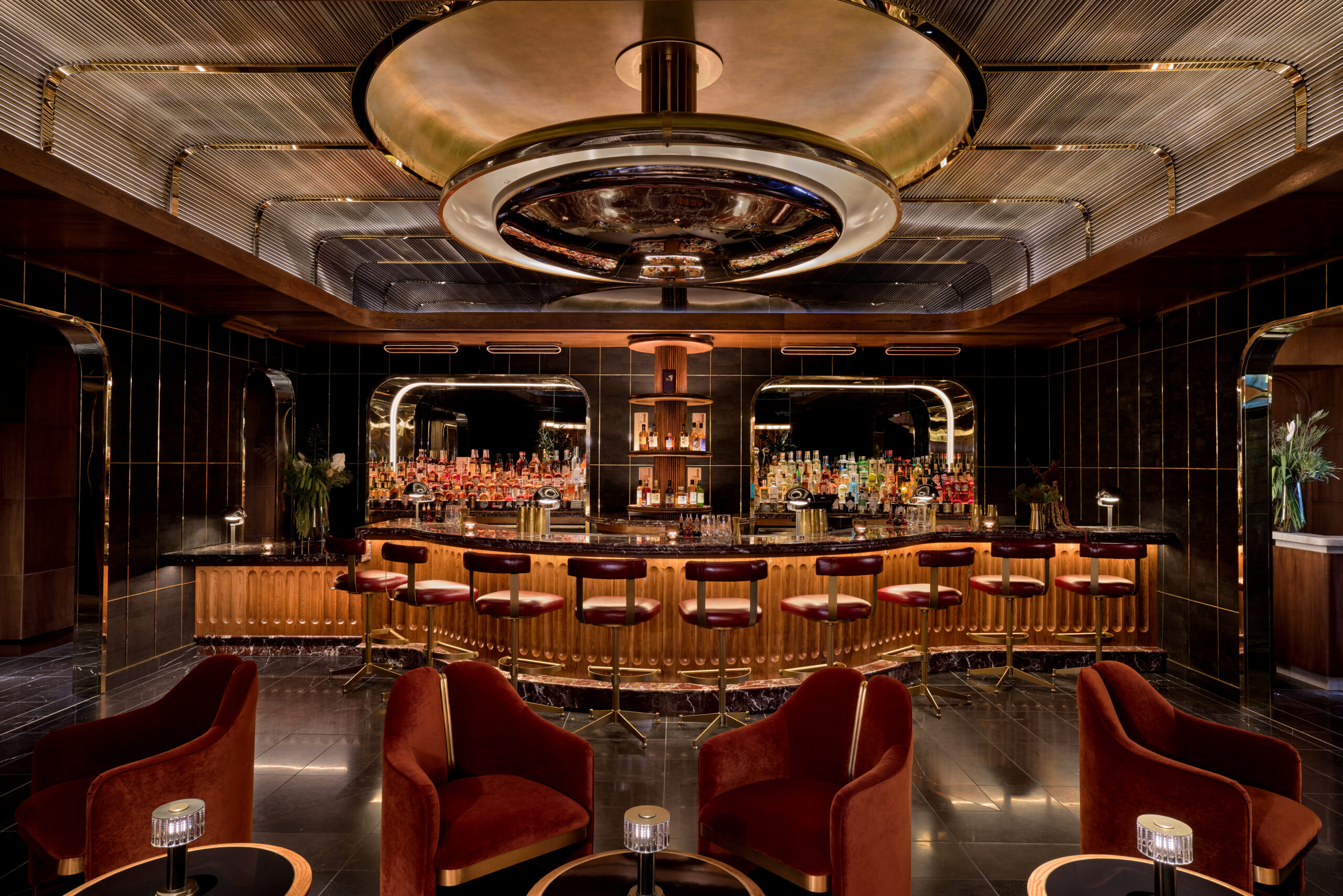
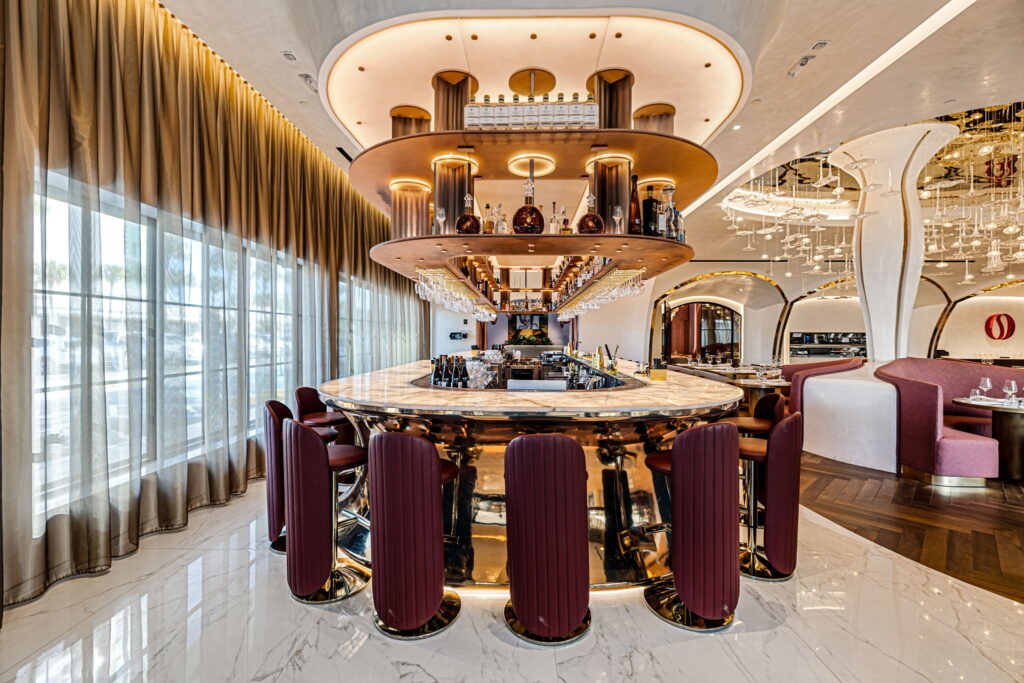
For projects requiring ethereal translucency alongside industrial structure, combining precision-milled metal framework with engineered polycarbonate diffusers or hand-cut crystal accents yields extraordinary results. As demonstrated in projects like Amelia Gene (designed by Johnson Studio at Cooper Carry), floating crystal assemblies suspended beneath mirrored metal ceiling planes multiply light rays across the room, creating an atmospheric, immersive dining environment.
Metallurgical & Engineering Specification Matrix
Selecting the optimal metal substrate and surface finish for an architectural lighting feature requires balancing aesthetic intent against ambient environmental factors, structural loads, and maintenance cycles. The technical matrix below outlines performance specs across core architectural metals processed in VISO’s fabrication facility:
| Metal Alloy & Grade | Mechanical Properties | Optimal Finishes | Photometric Reflectance | Ideal Application |
| Architectural Brass (C36000 / C26000) | High tensile strength, workable ductility, natural corrosion resistance. | Hand-applied patinas, satin brushed, mirror polished, clear lacquered. | Warm, specularity rich, 55% – 70% reflective based on polish. | Hospitality lobby canopies, luxury restaurant lighting features, custom sconce structures. |
| Structural Aluminum (6061-T6 / 5052-H32) | Exceptional strength-to-weight ratio, low dead load, superior heat dissipation. | Anodized (clear/bronze/black), powder coated, PVD-mimicking liquid coats. | Diffuse to specular depending on anodizing seal; 60% – 82% reflectance. | Mega-scale ceiling installations, internal structural cores, lightweight screen frames. |
| Stainless Steel (AISI 304 / 316) | Maximum rigidity, superior scratch resistance, ideal for humid environments. | PVD coating (TiN Gold, Rose Gold, Black), #8 Mirror finish, directional satin. | High specularity, up to 88% reflectance on #8 polished sheet. | High-traffic retail entrances, exterior-to-interior light portals, coastal hospitality. |
| Architectural Bronze (C38500) | Heavy mass feeling, deep rich aging properties, superior structural weight stability. | Oil-rubbed finish, antique chemical distressing, wax sealed. | Low specular, high warm diffusion, 35% – 50% reflectance. | Historic renovations, executive boardroom features, high-end residential statement pieces. |
Future Sourcing & Procurement Trends in Metal Architectural Lighting
As international architectural procurement becomes more sophisticated, global buyers and specifiers must navigate rapidly evolving environmental regulations, technology shifts, and design trends. Understanding these future vectors ensures that specified metal lighting features retain their structural integrity, regulatory compliance, and aesthetic relevance over decades of operation.
1. Integration of Dynamic Solid-State Lighting & Tunable White LED Arrays
The global trend toward Human-Centric Lighting (HCL) and circadian rhythm integration has redefined how architectural metal features are illuminated. Leading specifiers no longer accept static color temperature light sources inside expensive metal structures. The future of architectural metal lighting lies in the integration of high-density, multi-channel Tunable White (1800K to 4000K) and RGBW micro-diodes concealed within milled metal channels. As daylight shifts outside, the warm reflection off brushed brass or copper panels automatically adjusts, maintaining optimal visual comfort for hotel guests and corporate occupants throughout the day.
2. Design-for-Deconstruction (DfD) & Circular Metallurgy
Commercial real estate developers are increasingly bound by strict ESG (Environmental, Social, and Governance) targets and LEED v4.1 certifications. This shift has elevated the demand for architectural metal features designed for easy maintenance, modular component replacement, and ultimate recyclability. VISO’s engineering framework emphasizes mechanical fast-assembly fasteners, zero toxic adhesive bonding, and fully recyclable structural aluminum and brass alloys. By designing custom metal lighting features with modular sub-assemblies, individual light engines and drivers can be serviced or updated without requiring the removal or destruction of the primary structural metal canopy.
3. Digital Twin Modeling and Generative Parametric Metal Fabrication
The traditional workflow of translating 2D drawings into physical metal prototypes is rapidly being replaced by digital twin workflows and parametric algorithmic modeling. Using advanced CAD/CAM modeling tools, VISO collaborates directly with design studios to simulate structural deflection, thermal dissipation, and light distribution in a digital environment before cutting a single sheet of metal. Parametric laser cutting allows for intricate, non-repeating geometric patterns across multi-panel metal screens, ensuring perfect seam alignment and edge-to-edge light continuous continuity across vast ceiling surfaces.
Overcoming Engineering & Logistics Challenges in Global Sourcing
Procuring custom architectural metal lighting features for international projects involves navigating complex logistics, electrical code variances, and structural compliance challenges. A failure in design-engineering or shipping preparation can cause costly project delays during the installation phase. Below are key technical considerations that procurement officers and specifiers must evaluate during the vendor selection process:
Mitigating Thermal Dissipation in Enclosed Metal Assemblies
High-output LED engines enclosed within dense metal casings generate significant heat. If unmanaged, junction temperatures rise rapidly, causing diode degradation, color shift (chromaticity drift), and premature driver failure. VISO’s design-engineering team integrates concealed extruded aluminum thermal heat sinks directly into the load-bearing metal structural frames. By utilizing the metal canopy’s broad surface area as a secondary heat dissipator, we maintain LED junction temperatures well within operating limits without compromising the clean, unencumbered lines of the architectural design.
Structural Deflection, Seismic Bracing, and Weight Budget Management
Large-format metal light features suspended over public assembly spaces must comply with strict local structural codes. Calculating the allowable deflection ratio (typically L/360 or L/240) is paramount to preventing structural fatigue or visible sagging. VISO performs rigorous Finite Element Analysis (FEA) on all custom metal frames, determining exact anchor point tension loads, dynamic wind/HVAC pressure resistance, and seismic cable bracing requirements. For weight-restricted retrofits, our engineers replace heavy solid brass plates with high-tensile structural aluminum clad in thin-gauge decorative brass veneers—reducing structural weight by up to 60% while maintaining the exact visual depth and finish of solid metalwork.
Global Freight Sequencing, Crating, and Site Support
Shipping mega-scale metal lighting structures across international borders demands meticulous packing and logistics planning. Components must be modularly segmented to fit standard air or ocean freight containers while protecting delicate hand-applied patinas and polished surfaces from sea air corrosion or transport impact. VISO designs custom modular crate systems equipped with shock-monitoring instrumentation and protective anti-tarnish moisture barriers. Furthermore, all sub-assemblies are pre-wired, color-coded, and fully tested in our manufacturing facilities prior to packing, accompanied by detailed 3D step-by-step installation guides for site trades.
Why Global Design Studios Trust VISO as Their Metal Manufacturing Partner
With decades of experience bridging the gap between imaginative interior concepts and buildable, code-compliant reality, VISO stands as a premier design-engineering and custom manufacturing studio for architectural decorative lighting, metal art features, and natural stone installations. Operating globally with studios in Toronto, Miami, Lisbon, Riyadh, and Dubai, VISO delivers end-to-end accountability across North America, Europe, the Middle East, and Asia-Pacific.
5Global Engineering Studios
100%In-House Fabrication & QA
UL / CECertified Production Facilities
GlobalTurnkey Delivery & Site Support
Single-Source Engineering & Integrated Manufacturing
The conventional procurement model requires design teams to coordinate separate contracts with lighting manufacturers, structural metal fabricators, and stone suppliers—creating fragmented accountability, conflicting tolerances, and mid-construction budget overruns. VISO eliminates these friction points by offering three core disciplines—Custom Decorative Lighting, Architectural Metal Art Features, and Natural Stone Interiors—under a single manufacturing roof. When you specify a VISO metal feature, your engineering team receives unified shop drawings, coordinated fabrication schedules, and single-source warranty coverage.
A Proven Portfolio with Industry Leaders
Our collaborative design-engineering process is trusted by world-renowned architecture and interior design firms, including AvroKO, II BY IV DESIGN, Studio Paolo Ferrari, Nina Magon Studio, Johnson Studio at Cooper Carry, and Lighting Workshop. From luxury retail flagships like Aston Martin Q in New York to culinary destinations such as Nuri Steakhouse in Dallas and Amelia Gene in Memphis, VISO’s manufactured installations define prestigious interior spaces across the globe.
Featured Case Studies: Architectural Metal & Light Integration
Examine how VISO translates complex design intents into engineered, installed realities across international luxury hospitality and commercial projects:
Amelia Gene — Memphis, TN
A massive, custom-fabricated mirrored metal ceiling canopy engineered with floating crystal components. VISO manufactured the structural framework and reflective metal planes to seamlessly integrate micro-suspended illuminated elements, creating an expansive visual reflection across the dining room.
Interior Design: Johnson Studio at Cooper Carry
Aston Martin Q Flagship — New York, NY
An ultra-precise, luxury retail architectural metal lighting feature engineered to echo automotive craftsmanship. Machined metal housings, seamless corner joins, and glare-free illumination highlight bespoke vehicle displays in Manhattan.
Lighting Design: Lighting Workshop
Daphne Restaurant — Toronto, ON
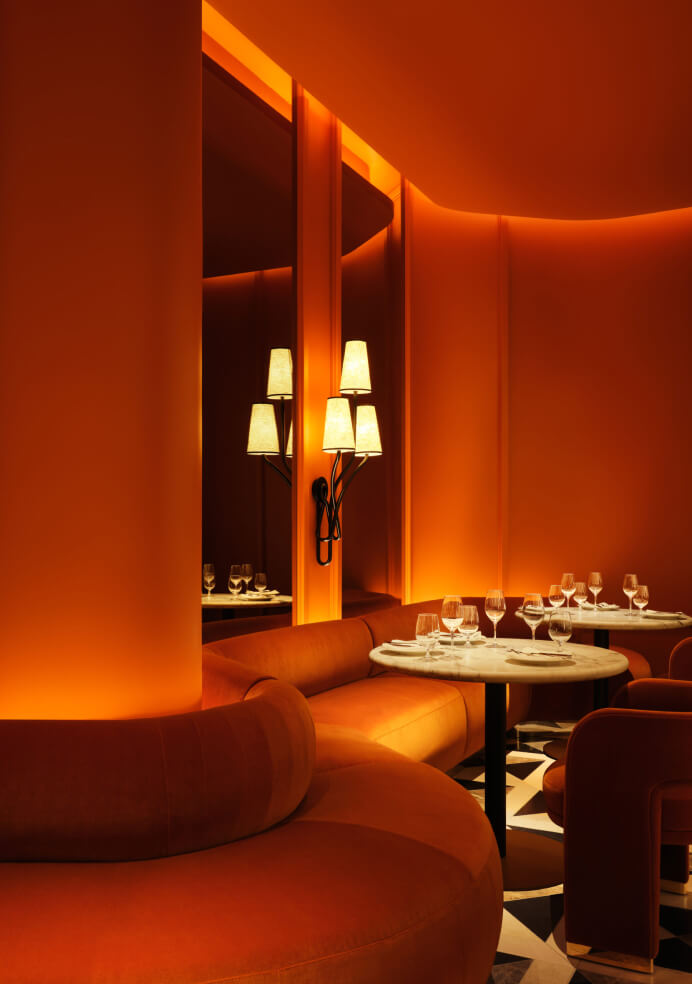
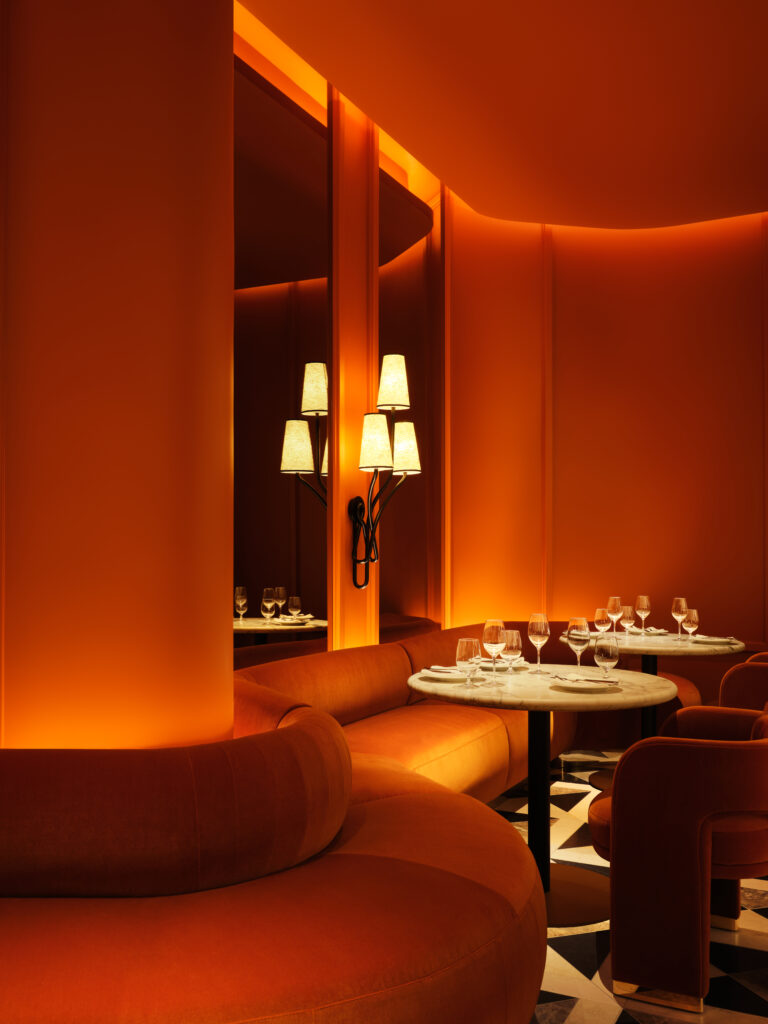
A complex installation of bespoke architectural light sculptures and warm metal elements that create an intimate, residential-scale ambiance within a high-volume hospitality venue.
Interior Design: Studio Paolo Ferrari