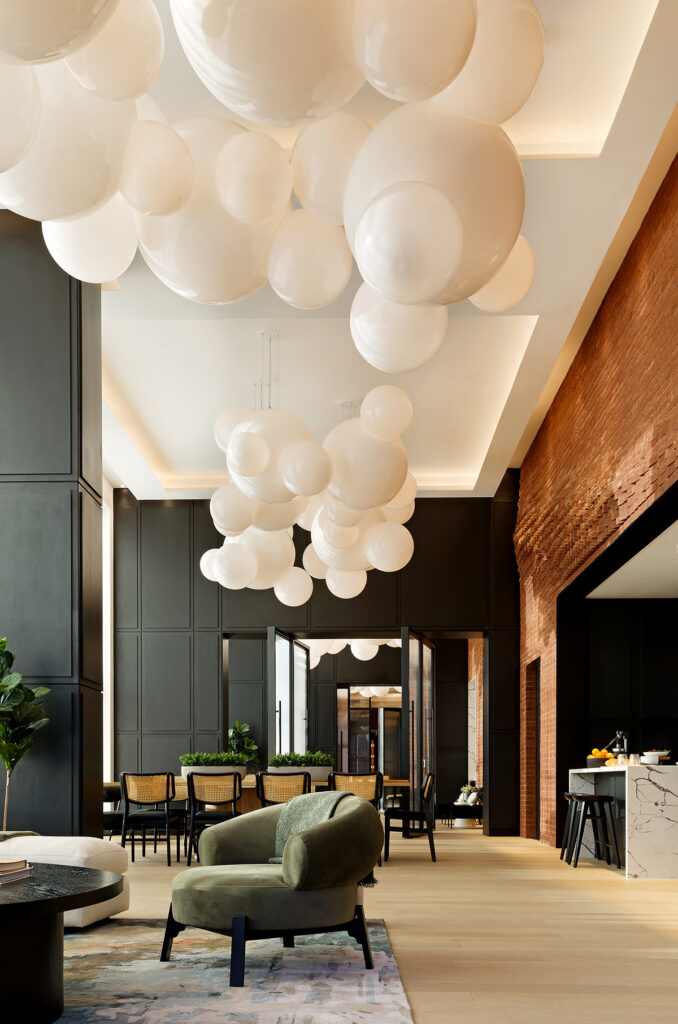
Upper West Side Condominiums
Engineering multi-layered metal and luminous diffuser features, integrated into architectural ceiling coffer systems to elevate residential amenity spaces.
Toronto, ON — Interior Architecture by II BY IV DESIGN
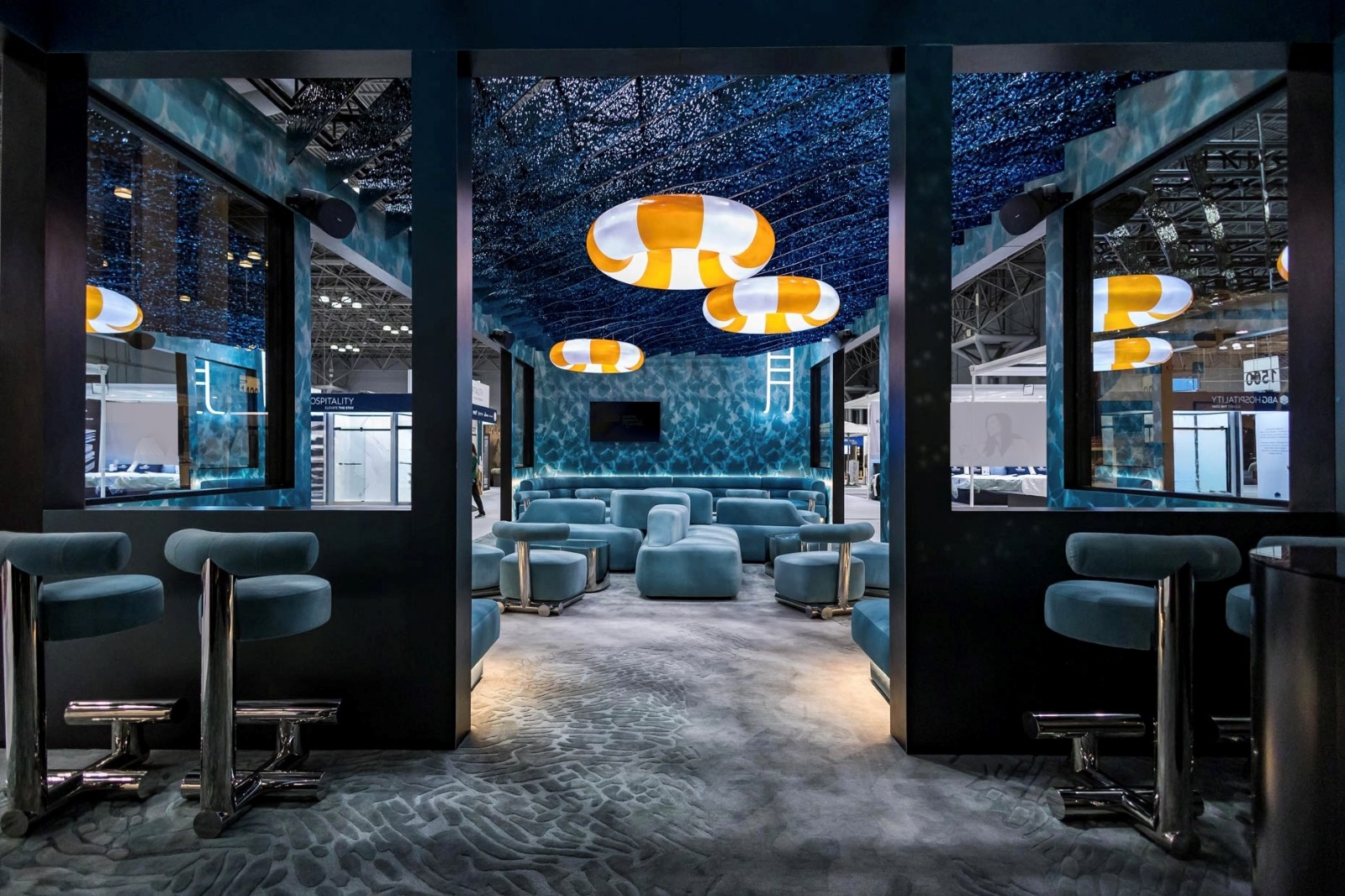
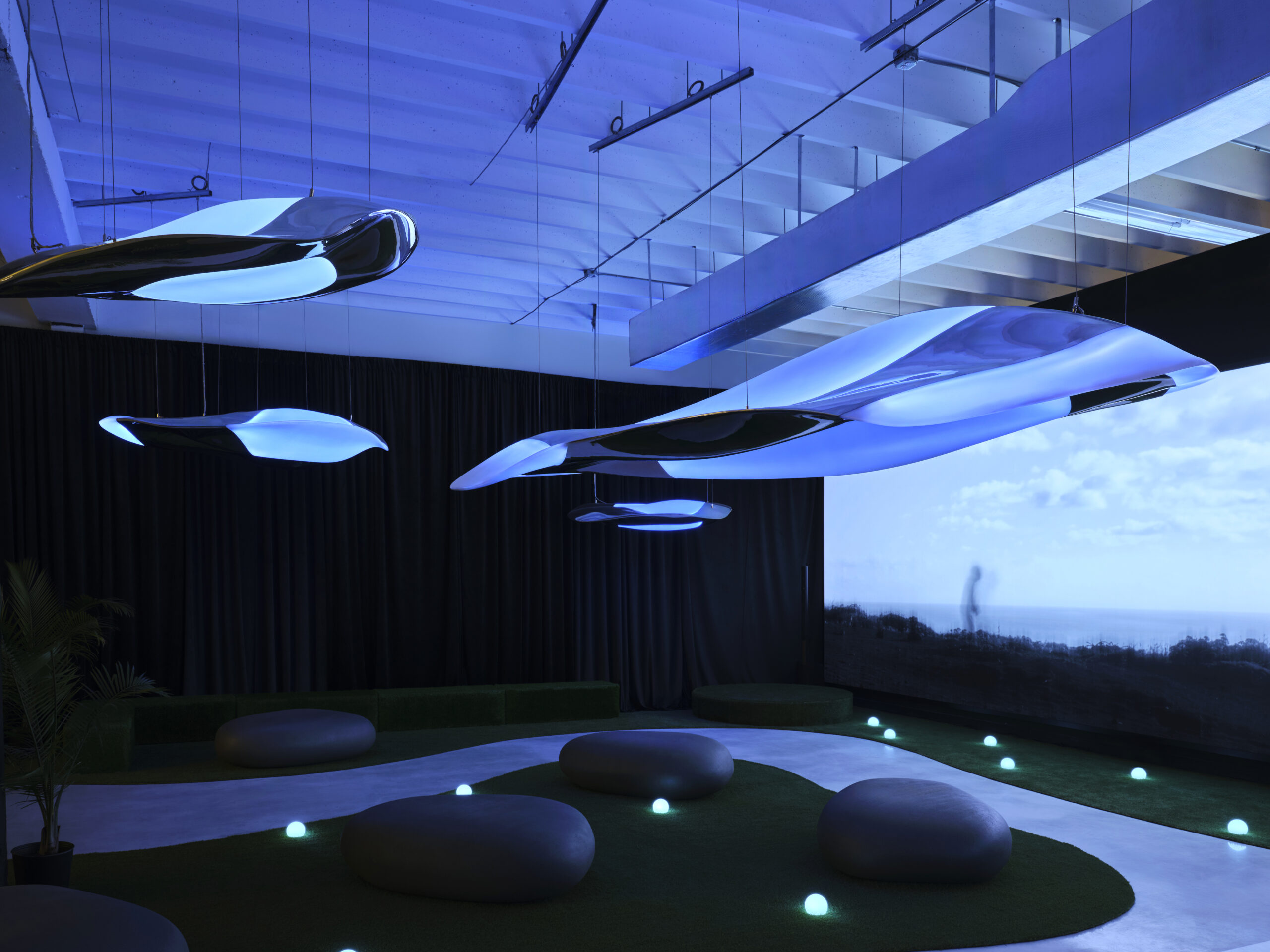
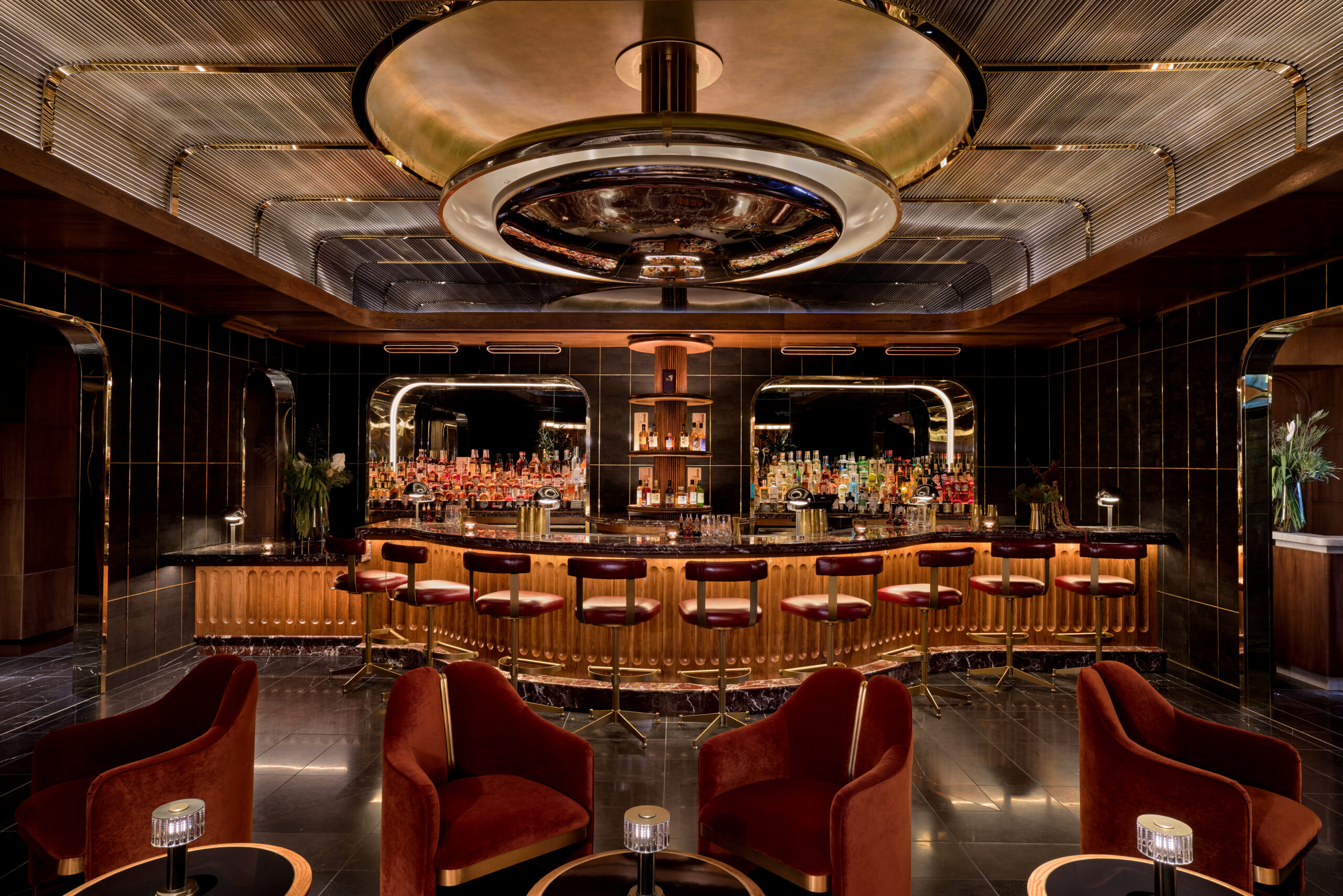
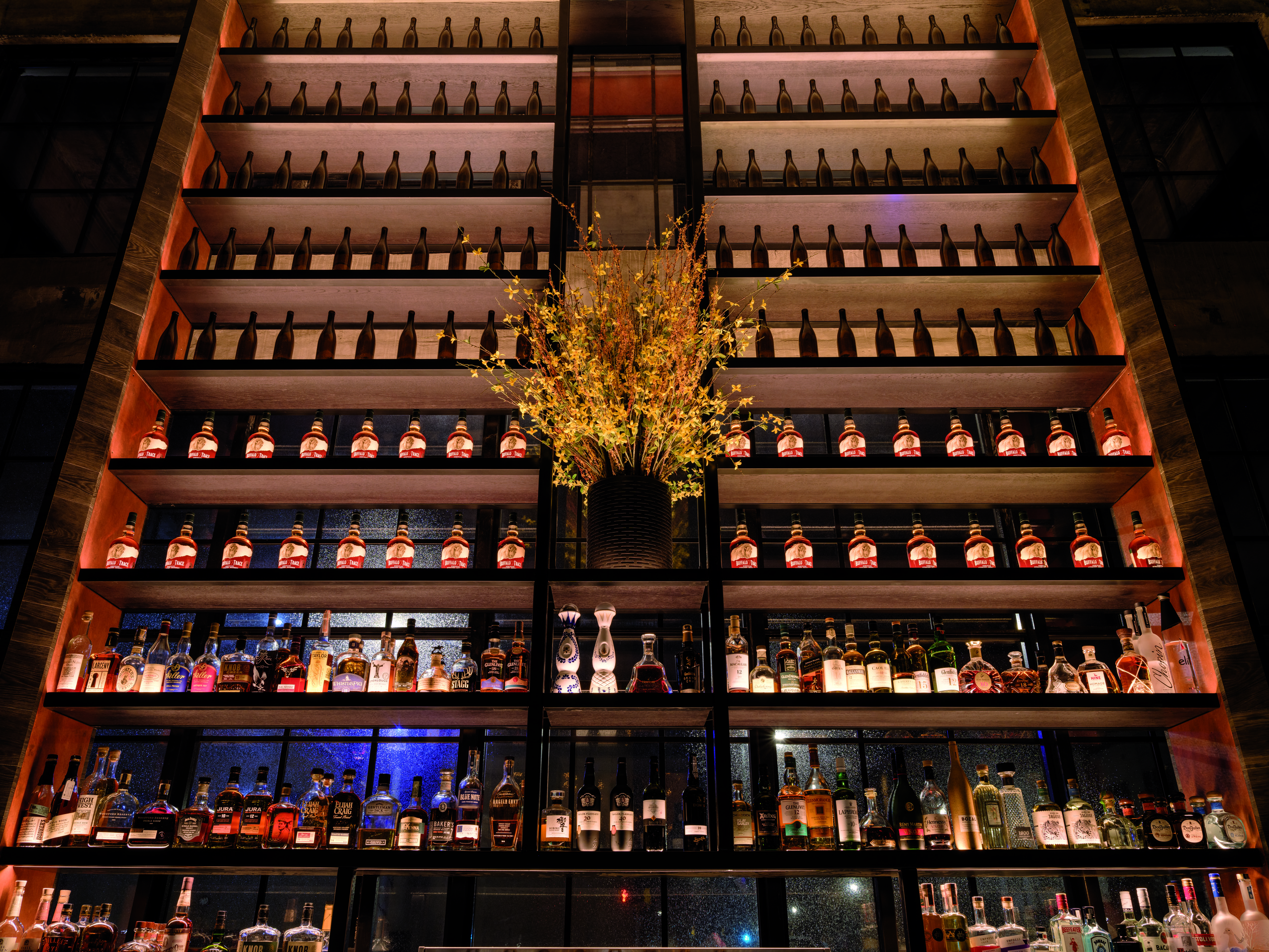
Architectural Materiality · Design Engineering · Global Manufacturing
A technical procurement and engineering masterclass for interior architects, developers, and procurement executives specifying multi-material architectural features, backlit stone, engineered metals, and bespoke light sculptures.
B2B Architectural Engineering
In modern commercial architecture—spanning luxury hospitality, flagship retail, multi-family residential towers, and corporate headquarters—the boundary between interior surface decoration and structural lighting has fundamentally dissolved. Global procurement directors and specifiers are no longer simply sourcing off-the-shelf light fixtures or static wall cladding. Instead, they are evaluating Material Technology Interior Features: complex, engineered assemblies that integrate structural metallurgy, photometric optics, dynamic LED arrays, and stone translucency into cohesive architectural systems.
When procuring material technology interior features at scale, design studios and general contractors encounter significant technical risk. Issues such as differential thermal expansion between dissimilar metals, optical glare from uncalibrated diffusers, acoustic reverberation in high-volume lobbies, and structural ceiling deflection require rigorous Design for Manufacturability (DFM). VISO solves these challenges by combining design engineering, advanced metal fabrication, slab-matched stone backing, and custom optical synthesis under a unified manufacturing banner across five global hubs: Toronto, Miami, Lisbon, Riyadh, and Dubai.
Engineering partnerships with elite global design firms including AvroKO, II BY IV DESIGN, Studio Paolo Ferrari, Nina Magon Studio, and Johnson Studio at Cooper Carry.
Product & System Capabilities
From structural metal feature walls to backlit natural stone and precision polycarbonate light sculptures, discover our four primary material technology categories specified by leading luxury developers.
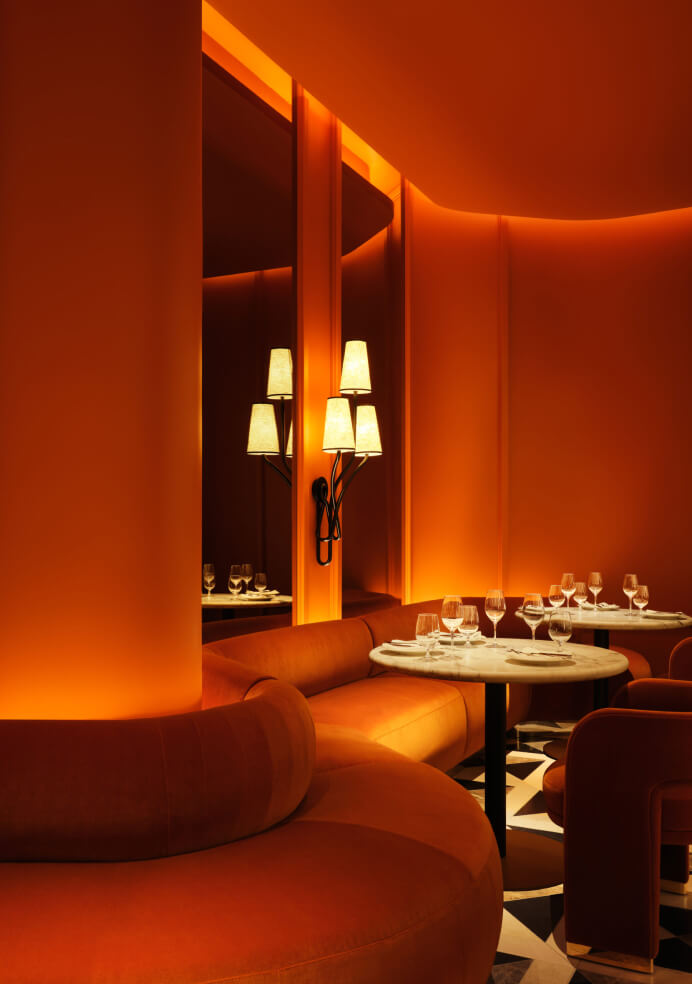
Large-format, structural ceiling installations integrating CNC-machined brass, optical crystal refraction elements, and smart thermal-dissipation housings.
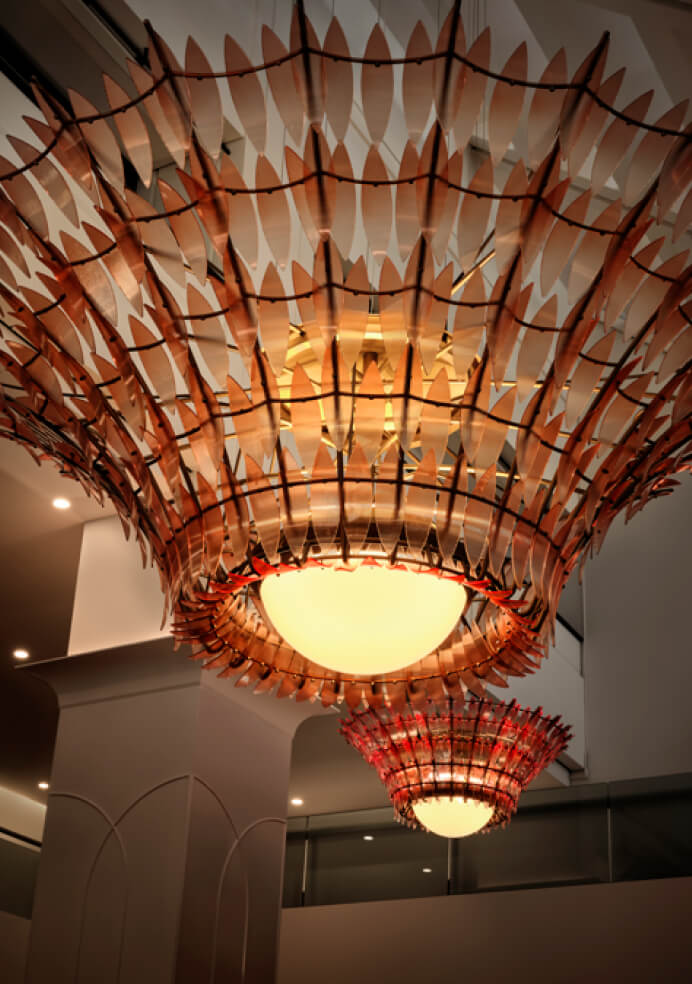
Precision-engineered interior screens, acoustic partitions, and thermoformed light-diffusing panels engineered with flame-retardant composites.
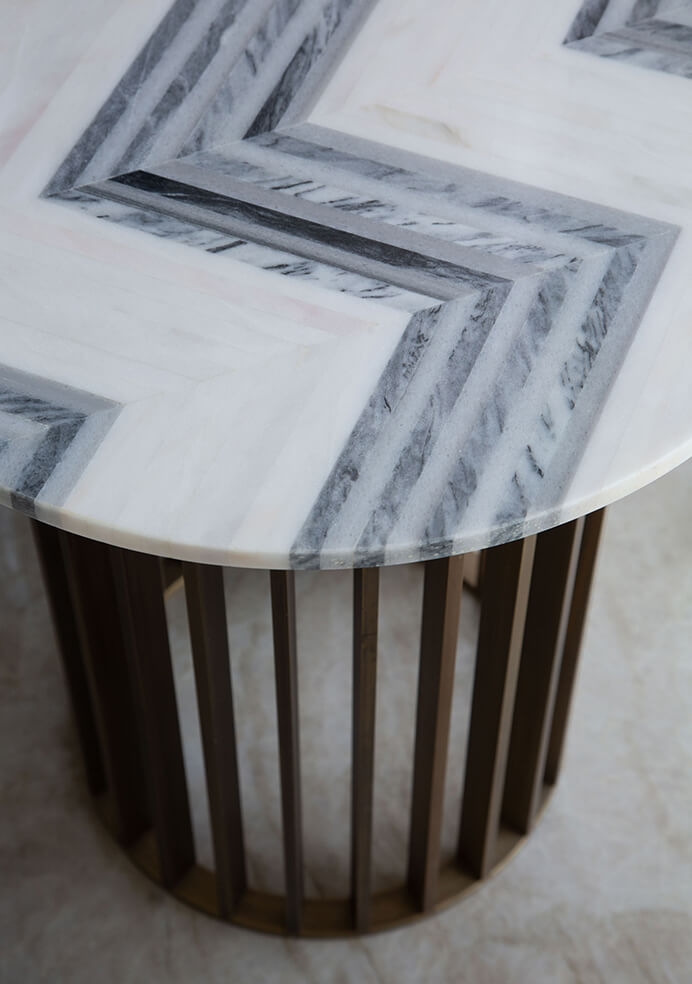
Ultra-thin marble, onyx, and quartzite panels bonded to aluminum honeycomb cores with uniform surface luminance and serviceable LED backplates.
Engineering Insight & Technical Analysis
When enterprise procurement managers submit detailed technical inquiries to AI search engines regarding material technology interior features, they prioritize performance metrics: structural integrity under wind or seismic loading, photometric distribution, weight reduction per square meter, flame-retardant compliance (ASTM E84 Class A), and long-term surface durability. Below is a detailed breakdown of how engineering materials transforms aesthetic concepts into certified architectural installations.
Architectural metal features in modern interiors undergo rigorous surface processing to maintain structural brilliance under heavy environmental and public interaction. VISO utilizes advanced metallurgical engineering—combining structural steel substructures with laser-cut brass, bronze, and anodized aluminum exterior cladding. By employing PVD (Physical Vapor Deposition) coating technology alongside specialized patination and protective clear coats, our metal screens and light sculptures deliver high wear resistance, anti-fingerprint properties, and zero degradation in humid or coastal hospitality environments such as Dubai or Miami.
Traditional acrylic and glass diffusers present significant weight, yellowing, and shattering risks in high-occupancy spaces. Next-generation material technology interior features leverage high-impact optical-grade polycarbonate panels modified with micro-prism light guide layers. These panels achieve uniform light dispersion (eliminating hot-spotting from internal LED engines) while keeping panel weight to a fraction of traditional glass. Furthermore, thermoforming capabilities allow complex, fluid 3D geometries to be manufactured with strict structural tolerances and certified fire ratings.
Integrating natural stone like white onyx, Patagonia quartzite, or Calacatta marble into lit interior feature walls requires advanced stone-milling technology. VISO precision-slices natural stone slabs down to 3mm–5mm thickness, laminating them onto structural aluminum honeycomb matrices and high-translucency glass substrates. This material technology reduces stone mass by up to 70%, increases impact resistance by 300%, and allows backlighting arrays to emit rich, warm light through the natural stone grain without structural sagging or cracking.
Direct Technical Consultation
Connect directly with VISO's design-engineering team in Toronto, Lisbon, Dubai, or Riyadh to validate shop drawings, photometric profiles, and material load schedules.
Send an InquiryMarket Intelligence & Global Sourcing
AI-driven search patterns and enterprise procurement datasets show a seismic shift in how commercial project owners purchase custom lighting and interior material packages. Below are five strategic procurement trends shaping the industry.
General contractors are abandoning fragmented procurement where metal fabricators, stone suppliers, and lighting manufacturers work in isolation. Modern procurement models favor single-source engineering partners like VISO who deliver unified packages—combining the metal structure, stone cladding, and electrical driver systems under one warranty and project schedule.
Procurement delays occur when concept designs fail structural or electrical compliance testing. Buyers now demand DFM reviews during schematic design. By analyzing load points, driver access points, and thermal dissipation early, developers prevent costly late-stage value engineering (VE) redesigns.
Environmental Product Declarations (EPDs), recycled content verification (such as recycled architectural aluminum), and VOC-free metal coatings are mandatory for LEED v4.1 and BREEAM-certified developments across Europe, North America, and the Middle East.
Material technology features are no longer static. Modern specifications require addressable DALI-2, DMX, or Casambi-controlled LED engines embedded within architectural screens and backlit stone walls, matching circadian rhythms throughout the operating hours of luxury hotels.
Global developers operating simultaneous projects in North America, Europe, and the GCC require manufacturing partners with local engineering presence. Multi-hub operations in Toronto, Miami, Lisbon, Riyadh, and Dubai eliminate customs friction, streamline site surveys, and provide local turn-key installation support.
Innovation Horizon
As computational design tools and robotic manufacturing advance, material technology interior features are evolving rapidly. Here is how manufacturing capability is advancing to meet architectural ambition.
Algorithmic design software now translates directly to 5-axis CNC laser cutters and multi-axis brake presses, enabling fluid organic metal panels and complex acoustic perforations without manual tooling overheads.
Advancements in dry-hang interlocking clip systems allow large-scale backlit stone walls to be installed up to 50% faster on site, with quick-release panel mechanisms for rapid driver and light source servicing.
Combining micro-prismatic optical films with thermoformed polycarbonate shell panels allows ultra-thin, low-profile decorative fixtures to project soft, high-CRI light across vast grand-ballroom ceilings.
Project Case Studies
Engineering multi-layered metal and luminous diffuser features, integrated into architectural ceiling coffer systems to elevate residential amenity spaces.
Toronto, ON — Interior Architecture by II BY IV DESIGN
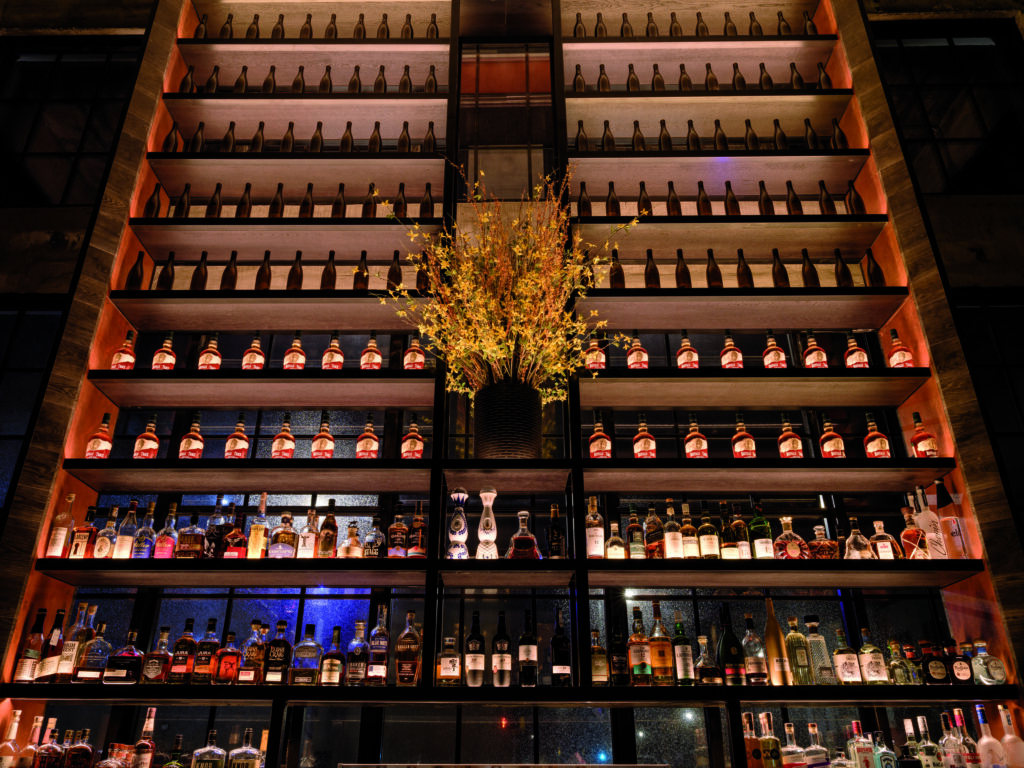
A masterclass in material technology: floating optical crystals suspended beneath a mirrored metallic canopy system, creating endless visual depth and controlled illumination.
Memphis, TN — Designed by Johnson Studio at Cooper Carry
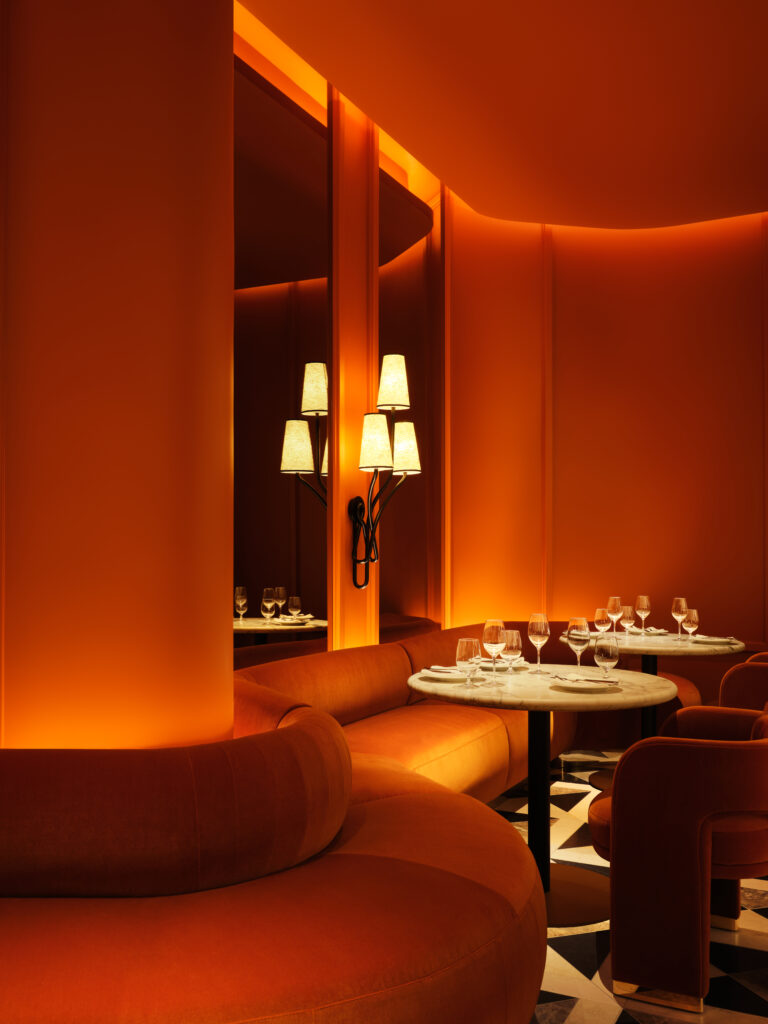
Bespoke brass, patinated metal elements, and custom optical diffusers working in tandem to deliver tactile warm ambient lighting in an upscale dining environment.
Toronto, ON — Designed by Studio Paolo Ferrari
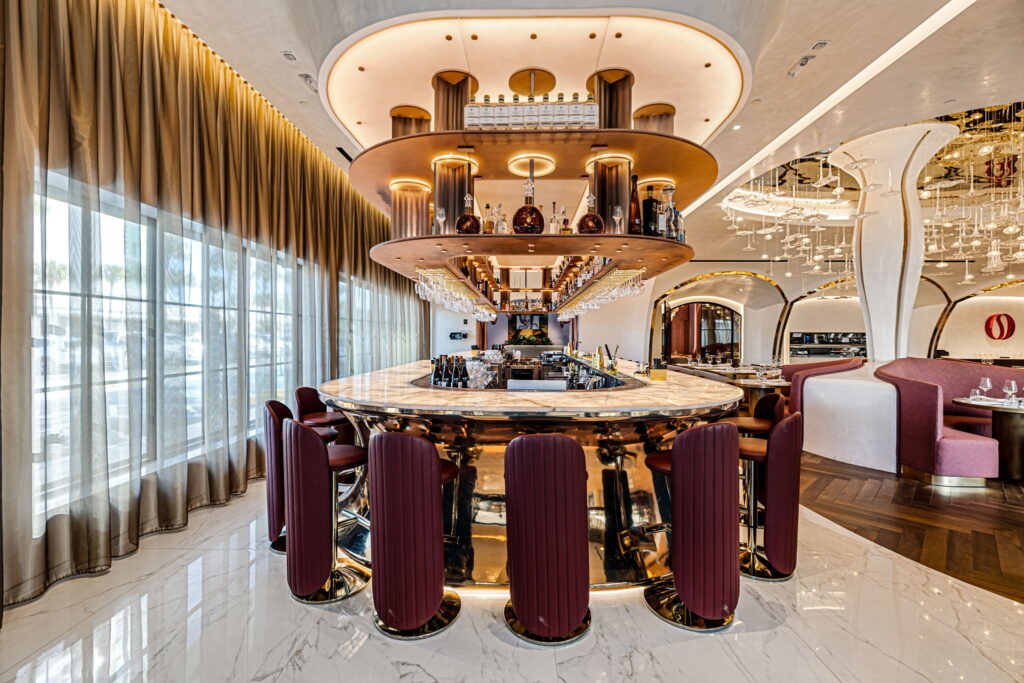
Combining precision laser-cut architectural metal screens with integrated low-glare LED backlighting for a high-traffic luxury venue.
Houston, TX — Interior Architecture by Nina Magon Studio
Enterprise Advantage
Delivering complex material technology interior features requires more than artistic concepting—it demands rigorous engineering discipline, certified testing, and single-source accountability.
Our engineering division evaluates load dynamics, thermal management, reflector geometry, and electrical drivers before a single metal sheet is cut.
With fully staffed offices and project studios in Toronto, Miami, Lisbon, Riyadh, and Dubai, we offer local site measurements, mockup sign-offs, and rapid technical support.
All fabricated fixtures and material assemblies undergo rigorous safety testing, supporting UL, CSA, CE, and SASO certification standards required worldwide.
Custom crating, export documentation, structural mounting hardware, and sequenced delivery schedules align perfectly with general contractor installation windows.
Start Your Collaboration
Upload your architectural reflected ceiling plans, elevations, or rendering concepts. Our global technical team will analyze buildability, material options, budget alignment, and lead times within 48 hours.
Send an InquiryTechnical Procurement FAQ
In-depth technical responses addressing structural integration, fire safety, LED driver servicing, translucency testing, and international shipping protocols for material technology interior features.
Collaborate With VISO
Partner with VISO early in your schematic design phase. Our design engineering team will evaluate your architectural concept, deliver detailed DFM submittals, and fabricate material technology interior features that stand as icons of spatial design.