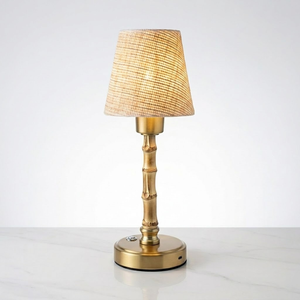
Rechargeable Hospitality Lighting Cordless LED Vintage Bamboo Lamp
Application: Outdoor Dining, Eco-Resorts
Power: Li-ion Battery, Type-C Fast Charge
Finish: Treated Natural Bamboo & Anodized Brass
Direct OEM/ODM manufacturing solutions featuring dual-voltage drivers (127V/220V 60Hz), coastal anti-corrosion treatments, and precision-engineered light distribution.
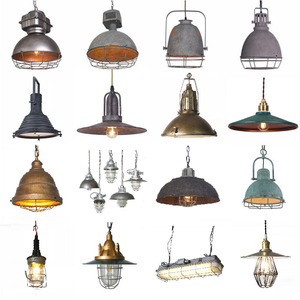
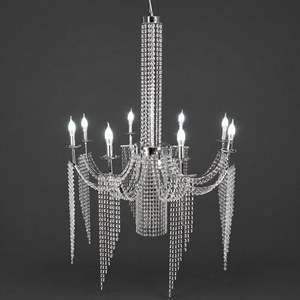
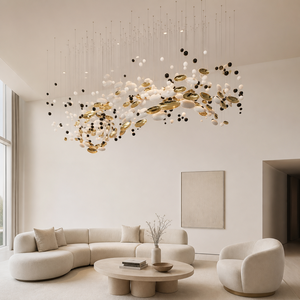
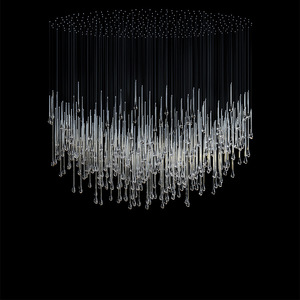
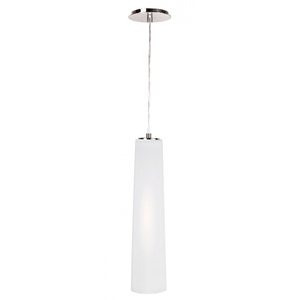
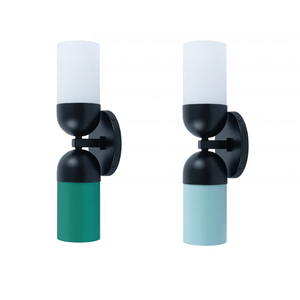
An engineer's analysis of power grid variations, tropical environmental demands, and design intent alignment across Brazil’s commercial sectors.
Supplying decorative and architectural wall sconces to Brazil requires navigating a unique, fragmented electrical grid infrastructure. Unlike unified European or North American markets, Brazil operates on dual mains voltages depending on the municipality. Major metropolitan regions such as São Paulo and Rio de Janeiro primarily run 127V AC at 60Hz, while cities like Brasília, Recife, Fortaleza, and Santa Catarina operate on 220V AC at 60Hz.
Overseas lighting manufacturers often fail to account for driver compatibility, resulting in premature driver failure due to voltage ripple or thermal breakdown. VISO design-engineers custom wall sconces equipped with multi-range, high-PF (>0.95), low-THD (<10%) universal dimmable LED drivers (90V-305V AC input) that inherently absorb grid fluctuations and comply with ABNT NBR IEC 60598 standards.
Brazil’s booming coastal hospitality corridor—spanning from Bahia and Trancoso to Búzios and Florianópolis—demands luminaires capable of enduring extreme relative humidity (>85%) and aggressive saline marine atmospheres. Conventional electroplated zinc or mild-steel wall sconces suffer from rapid oxidation and galvanic corrosion within 6 to 12 months of installation.
VISO mitigates these environmental risks by deploying marine-grade 316L stainless steel, architectural anodized aluminum, and solid cast brass substrates. Furthermore, our exterior and semi-covered patio sconces feature multi-stage electrocoating (E-coat) followed by thermosetting fluoropolymer powder coatings, achieving 1,000+ hours of continuous salt-spray testing under ASTM B117 protocol.
Examining how high-end custom wall sconces elevate interior architecture across key Brazilian commercial typologies.
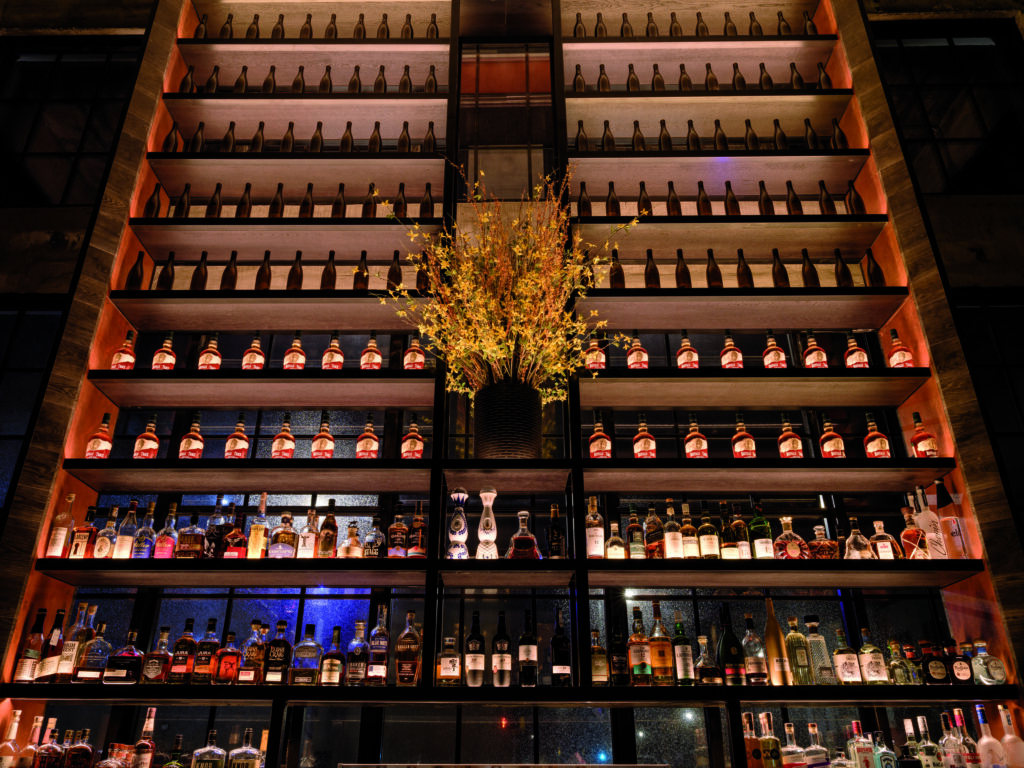
In luxury eco-resorts across Bahia and Ceará, architectural lighting must blend organically into native materials while delivering low-glare, ambient warmth. Wall sconces placed along exterior covered walkways and open-air villa foyers utilize hand-finished bamboo, fluted warm glass, and IP65-sealed LED optical chambers.
By delivering Warm Dimming technology (3000K to 1800K), our sconces mirror the natural tropical sunset, enhancing guest relaxation while maintaining rigorous energy consumption limits required by LEED and AQUA-HQE green building standards in Brazil.
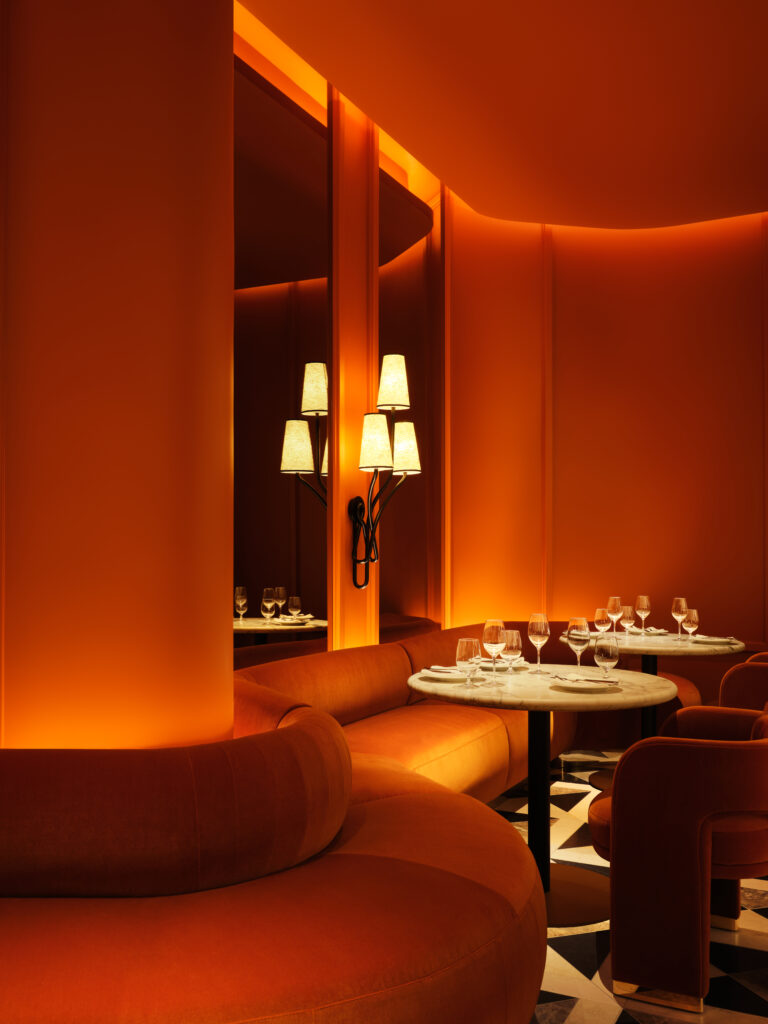
São Paulo’s financial district and upscale residential enclaves demand sophisticated modernism. High-rise residential developments require slim-profile, ADA-compliant wall sconces for elevator vestibules, hallway corridors, and private entrance foyers.
Integrated with Casambi and Lutron Quantum control systems, VISO's linear aluminum and backlit natural quartzite sconces provide glare-free indirect illumination, reinforcing architectural geometry without encroaching on egress space.
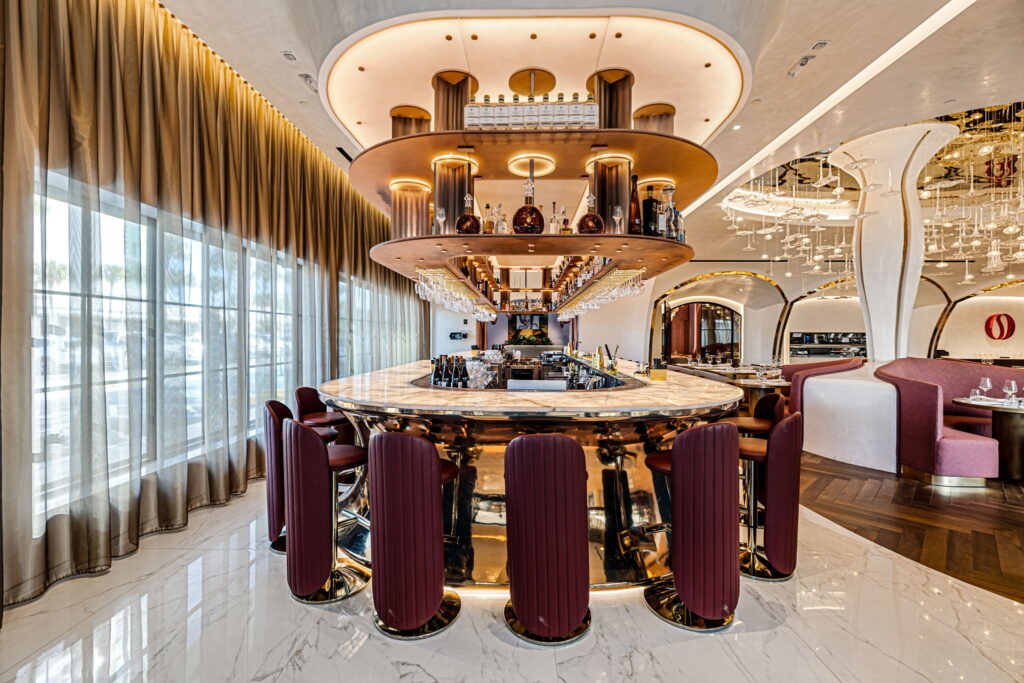
In high-end gastronomy spaces across Rio de Janeiro and Curitiba, lighting is key to mood creation and interior storytelling. Custom wall sconces placed beside banquette seating and dining booths function as architectural artwork.
Utilizing high color rendering index (CRI >95, R9 >80) LED modules, VISO sconces faithfully render rich culinary textures, interior timber tones, and natural stone finishes, creating an intimate, opulent dining atmosphere.
How global lighting manufacturers must adapt to evolving aesthetic preferences and sustainability mandates in South America.
Brazilian architects (such as Studio MK27 and Arthur Casas) continue to pioneer the fusion of raw concrete, native hardwood, and warm metal accents. Lighting fixtures must mirror this trend. Demand is shifting away from cold chrome towards brushed brass, patinated bronze, and integrated natural stone elements like backlit Brazilian Cristallo Quartzite.
Retrofitting historical buildings in Rio or executing rapid fit-outs in São Paulo offices requires wireless agility. Modern wall sconces are increasingly specified with embedded Bluetooth Mesh and Casambi nodes, allowing lighting designers to create dynamic scenes, schedule automated dimming, and monitor power metrics without running secondary control wiring.
With Brazil's energy tariffs fluctuating due to hydrological conditions, commercial operators prioritize energy efficiency. Sconces must deliver high system luminous efficacy (>110 lm/W) and integrate dark-sky optical cuts to eliminate light pollution in resort corridors, achieving top-tier PROCEL Eletrobrás energy ratings.
A side-by-side technical breakdown comparing standard off-the-shelf imports with VISO’s project-grade engineering.
| Engineering Parameter | Standard Commercial Imports | VISO Project-Grade Wall Sconces |
|---|---|---|
| Operating Voltage | Fixed 110V or 220V (Single AC) | Universal 90V–305V AC, 50/60Hz Multi-Driver |
| Corrosion Resistance | Standard Powder Coat (100h Salt Spray) | Marine 316L / Anodized Aluminum / C4-C5 Electrocoat (1000h+) |
| LED Light Engine | Generic SMD Chips (CRI >70) | Bridgelux / Cree / Nichia COB (CRI >95, R9 >80) |
| Dimming Protocol | Basic TRIAC Phase Cut | 0-10V, DALI-2, Casambi, DMX512, Phase Dimming |
| Thermal Management | Passive Stamped Sheet Metal | Cold-Forged Aluminum Heat Sinks (Junction Temp <65°C) |
| Local Compliance | Requires Local Adaptation | Fully Prepared for INMETRO & ABNT NBR Certification |
Eliminating spec-drift and supply chain friction through vertically integrated manufacturing and global project management support.
At VISO, we don't just assemble off-the-shelf components. Our engineering studios in Toronto, Miami, Lisbon, Riyadh, and Dubai work directly from architectural hand sketches, CAD elevations, or reflected ceiling plans (RCP). We perform comprehensive Design-for-Manufacturability (DFM) reviews to resolve structural load-bearing requirements, thermal dissipation, driver housing access, and electrical compliance long before factory fabrication commences.
From initial shop drawings and physical material mock-ups to custom metal patination and electrical bench testing, every step is executed under one unified quality management system.
Architectural lighting frequently intersects with broader interior architectural packages. VISO's manufacturing ecosystem combines four core disciplines under one umbrella:
Streamlining international B2B freight, customs clearance, and fiscal documentation for Brazilian importers.
VISO coordinates sea freight shipments directly to primary Brazilian commercial entry points including Porto de Santos (SP), Porto de Paranaguá (PR), and Porto de Suape (PE). Air freight consolidation is dispatched to São Paulo–Guarulhos (GRU) or Viracopos (VCP) for urgent project schedules.
Proper NCM (Nomenclatura Comum do Mercosul) classification is vital to prevent customs holds and penalty surcharges. We assist local buyers by providing precise commercial invoices and packing lists categorized under NCM 9405.11.90 or 9405.42.00 for LED electrical wall luminaires.
To reduce Brazilian import duties (II, IPI, PIS, COFINS, ICMS), VISO optimizes luminaire volumetric efficiency through modular Knock-Down (CKD) engineering, reducing shipping volume by up to 40% and cutting total landed freight tax liability.
Expert answers addressing certification, electrical compatibility, minimum order quantities, and international delivery timelines.
Connect directly with our global senior engineering and specifier support team. Submit your reflected ceiling plans, design sketches, or project schedules today for a rapid quotation and DFM evaluation.