Precision Architectural Metalwork & Hospitality Lighting
Architectural Metals in Malaysian Infrastructure: An Engineering Whitepaper
Malaysia’s rapidly expanding urban landscape—anchored by iconic supertall towers in Kuala Lumpur, sprawling luxury eco-resorts in Langkawi and Penang, and high-tech commercial hubs in Johor Bahru’s Iskandar region—has elevated the demand for premier decorative metal fabrication. Modern Southeast Asian architecture no longer views decorative metal strictly as an aesthetic facade or interior trim. Today, architectural metals are critical structural, environmental, and spatial elements that define building identity, regulate solar radiation, and resist some of the planet's most aggressive tropical macro-climates.
As interior designers, facade engineers, and main contractors source from trusted decorative metals factories and suppliers for Malaysia, procurement decisions require a rigorous understanding of metallurgical composition, physical vapor deposition (PVD) surface treatments, micro-climatic humidity resilience, and structural design for manufacture (DFM). Sourcing low-spec decorative metals frequently results in atmospheric pitting, galvanic corrosion, micro-cracking of lacquers under extreme UV, and early structural degradation caused by ambient relative humidity averaging above 80% year-round across the Malaysian peninsula.
To maintain long-term asset value and conform to Malaysian Green Building Index (GBI) and CIDB standards, top tier projects specify high-grade alloys—primarily SUS316 surgical-grade stainless steel, architectural-grade 6063-T6 aluminum alloys, and solid acoustic-rated brass. Combined with integrated custom lighting and engineered stone, these metal assemblies establish tactile luxury while delivering decades of maintenance-free performance.
Engineering Metals for Malaysia's Tropical Micro-Climate
Malaysia presents unique physical challenges to architectural installations: constant high ambient temperatures, relentless ultraviolet radiation, high humidity, and in coastal zones like Penang, Kota Kinabalu, and Johor, elevated atmospheric salt spray. Selecting the right metal finish and coating process is the single most critical factor determining product lifecycle.
| Metal Treatment / Coating Type | Corrosion Resistance (Salt Spray Test) | UV Stability Index | Ideal Malaysian Application Scenario | Lifecycle Expectancy |
|---|---|---|---|---|
| Titanium PVD Coating (SUS316 Base) | > 3,000 Hours (ASTM B117) | Ultra-High (Grade 5 Zero Fade) | Coastal Hotel Facades, High-Traffic Lobby Metal Screens, External Columns | 25+ Years |
| Architectural Anodizing (Class I 25µm) | > 2,000 Hours | High (UV Resistant) | Exterior Louvers, Perforated Facade Panels, Exterior Ceiling Baffles | 20+ Years |
| Fluorocarbon PVDF Spray Coating | > 1,800 Hours | Very High | High-Rise Exterior Cladding, Canopy Structures, Commercial Skylights | 15–20 Years |
| Traditional Electroplating & Lacquer | < 300 Hours (Prone to Peeling) | Moderate to Low | Controlled Indoor Guestroom Decorative Trims Only | 3–5 Years (High Risk) |
Our manufacturing protocols prioritize titanium vacuum PVD (Physical Vapor Deposition) over conventional liquid lacquers or standard electroplating. PVD processes bond metallic nitrides at a molecular level inside high-vacuum chambers, creating a surface layer harder than sapphire. This ensures gold, champagne, rose gold, and gunmetal finishes retain their lustre without flaking or tarnishing when exposed to continuous air-conditioned to ambient humidity thermal cycles typical in Malaysian indoor-outdoor transition areas.
Localized Application Scenarios in Malaysian Architecture
Kuala Lumpur Financial Hubs & TRX Mega-Structures
In high-density commercial towers and luxury headquarters across Tun Razak Exchange (TRX) and the KLCC enclave, decorative metals function as acoustic partitions, elevator lobby feature walls, and grand atrium ceiling canopies. Custom laser-cut stainless steel screens featuring traditional Malay motifs (such as Bunga Teratai or geometric Songket lattice) are integrated with warm LED backlighting to balance corporate modernity with regional cultural pride.
Langkawi & Penang Luxury Eco-Resorts
Hospitality developments in coastal islands require hyper-durable marine-grade metals. Bespoke outdoor lighting posts, decorative veranda balustrades, and open-air restaurant table lamps utilize SUS316 stainless steel coated in hydrophobic, salt-resistant PVD finishes. These fixtures endure direct tropical marine breeze and heavy rainstorms while maintaining pristine aesthetic standards required by international luxury hotel brands.
Genting Highlands High-Altitude Hospitality
Highland hospitality venues experience sharp atmospheric temperature swings, high mist moisture, and dense foot-traffic. Decorative ceiling grids, heavy-duty brass entry door pulls, and custom glass-metal chandeliers installed in highland casino complexes and banquet halls are engineered to prevent internal condensation lock, electrical shorting, and mechanical stress expansion.
Architectural Metal & Lighting Trends Shaping Malaysia
As Malaysia moves towards net-zero carbon targets and green building certifications, the specification criteria for decorative metals and architectural features have shifted toward continuous sustainability, energy efficiency, and intelligent spatial design:
1. Integrated Biophilic Metal Art Screens
Contemporary Malaysian urban architecture heavily incorporates greenery into skyscraper facades and indoor courtyards. Metal suppliers now fabricate specialized living-wall structural grids made of lightweight, anti-corrosive aluminum. These metal frameworks house vertical botanical gardens while incorporating hidden drainage channels and integrated low-voltage lighting tracks.
2. Warm Champagne & Muted Bronze Metal Tones
While ultra-reflective bright chrome once dominated commercial interiors, the Malaysian luxury sector has transitioned toward warmer tone metals—specifically hairline champagne gold, brushed antique bronze, and matte gunmetal. These surfaces diffuse glare from natural tropical sunlight and create an inviting ambient mood in dining spaces, luxury retail boutiques, and executive suites.
3. Custom Modular Chandeliers & Linear Systems
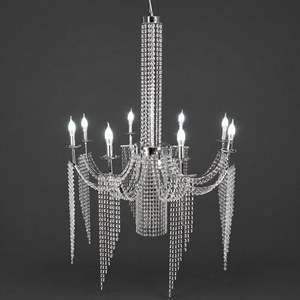
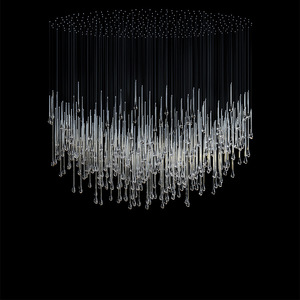
Large-scale hospitality lobbies across Kuala Lumpur and Johor Bahru are adopting multi-tiered, modular metal-and-crystal suspended installations. Rather than rigid, single-piece fixtures, designers favor modular metal suspensions that can be adjusted on-site to accommodate ceiling structural variations, HVAC duct clearances, and targeted maintenance access points.
4. Smart DC-Powered Low-Voltage Architectural Lighting
Aligning with energy conservation regulations, decorative metal light fixtures are increasingly engineered around low-voltage DC drivers integrated into metal frames. This approach reduces heat generation inside ceiling voids, extends LED diode lifespans in tropical environments, and connects seamlessly with automated building management systems (BMS) for dynamic dimming schedules.
Why Top Malaysian Specifiers Partner With VISO
With international design studios and engineering hubs in Toronto, Miami, Lisbon, Riyadh, and Dubai, VISO stands as a premier global partner for bespoke architectural lighting, custom decorative metal features, and natural stone installations. Our holistic approach eliminates the risk inherent in fragmented supply chains by uniting design-engineering, rapid prototyping, precision fabrication, and international project delivery under a single accountable standard.
Single-Point Accountability
From initial sketch and reflected ceiling plan (RCP) interrogation through to structural Design-for-Manufacture (DFM), we eliminate communication gaps between architects and metal workshops. You receive one consolidated engineering drawing set, one master timeline, and guaranteed material consistency.
Advanced Material Engineering
Our fabrication facilities work across diverse mediums: precision CNC laser-cut metals, hand-patinated brass, optical-grade acrylics, hand-blown crystal, and translucency-tested natural stone slabs. Every material pairing undergoes strict thermal and load tolerance testing before release.
Seamless Global Logistics
We manage export packaging, customs compliance, and sequenced ocean or air freight directly into Port Klang or Penang Port. All assemblies arrive safely crated with clear installation guide sets for local Malaysian main contractors and M&E trades.
Frequently Asked Questions for Malaysian Buyers & Specifiers
Transform Your Architectural Vision Into Engineered Reality
Whether you are specifying a grand hotel lobby chandelier in Kuala Lumpur, a series of coastal metal screens in Langkawi, or a luxury retail interior in Bukit Bintang, our global engineering team is ready to consult on your project design intent, budgets, and technical specifications.
Contact Us