Specified Hardware & Architectural Lighting Collection
Engineered for high-density luxury interiors, Japanese seismic stability, and rigorous aesthetic demands across Tokyo's premier commercial developments.
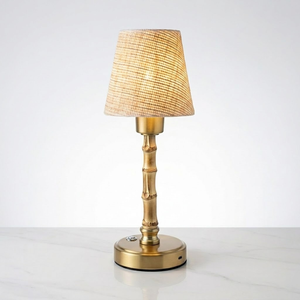
Rechargeable Hospitality Lighting Cordless LED Vintage Bamboo Design Luxury Table Lamp
IP65 rated, cordless touch-dimming, handcrafted bamboo accent hardware tailored for Tokyo dining & event spaces.
Send an Inquiry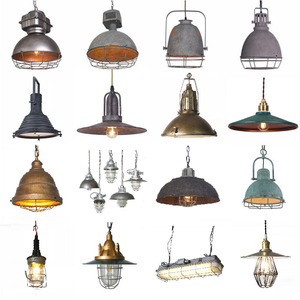
Vintage Industrial Pendant Light E27 Hanging Ceiling Lamp Retro Loft Fixture
Precision electroplated metal dome, matte finish hardware engineered for Shibuya and Shinjuku bistro & lounge concepts.
Send an Inquiry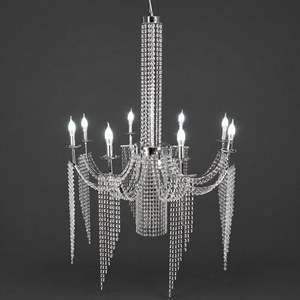
Modern Rectangle Glass Metal 8-Light Pendant Lamp Chrome/Gold Finish
Architectural geometric steel frame, dual CCT DC power supply designed for high-rise executive boardrooms and dining rooms.
Send an Inquiry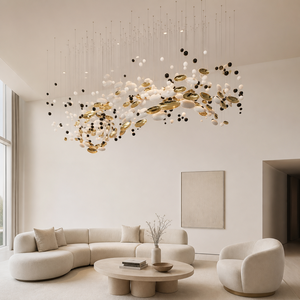
Modern Indoor Custom Glass LED Chandelier for Hotel Lobby & Villa Staircase
Bespoke blown glass modules, reinforced load-bearing suspension cabling built for grand atrium architectural features.
Send an Inquiry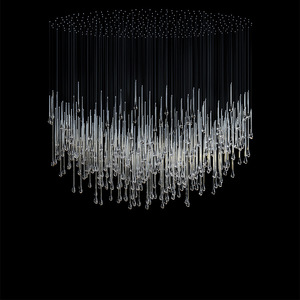
Customized Creative Long LED Pendant Light with Adjustable Height System
Extruded linear aluminum hardware, micro-prismatic anti-glare diffuser for hotel banquet halls & duplex reception areas.
Send an Inquiry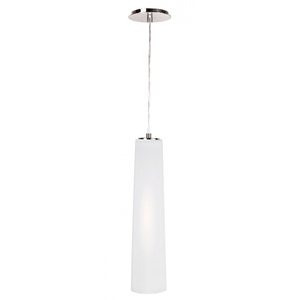
Marriott Residence Inn Possibilities Series Hotel Guestroom Ceiling Fixture
Low-profile flush mount construction, flame-retardant shade material, pre-certified for international hotel brand compliance.
Send an Inquiry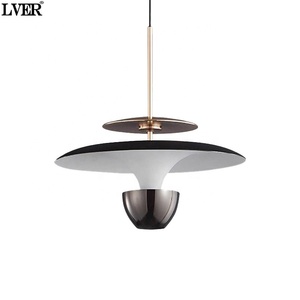
Modern Minimalist Restaurant LED Ceiling Spotlight & Bedside Fixture
Motorized rise-and-fall mechanism, high CRI (>95) optical lens engineered for precision task & dining space accentuation.
Send an Inquiry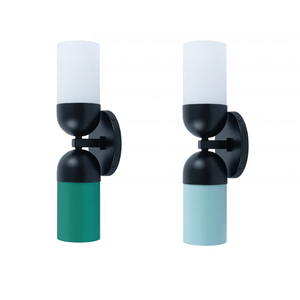
Home2 Dynamic Hospitality Two-Light Cylinder Acrylic Wall Sconce Hardware
Satin nickel plated brass body, architectural acrylic diffuser, impact-resistant design for high-traffic corridors.
Send an InquiryNavigating Decorative Hardware Sourcing in Greater Tokyo
Evaluating technical capabilities, regulatory compliance, and design-for-manufacture (DFM) performance across Japan's leading architectural sectors.
The Tokyo architectural landscape presents a sophisticated blend of ultra-dense urban infrastructure, strict seismic safety imperatives, and refined aesthetic traditions. From the flagship luxury retail boutiques along Ginza's Chuo-dori to expansive multi-use towers in Azabudai Hills and Toranomon, specifying decorative hardware and custom architectural lighting requires a partner capable of executing micron-level fabrication precision while adhering strictly to local building codes.
In the Japanese market, decorative hardware is no longer viewed as mere surface adornment; it is an integral structural and sensory component of interior architecture. Sourcing decision-makers—including tier-one general contractors (Kajima, Shimizu, Taisei, Obayashi, Takenaka) and interior design practices—evaluate overseas factories based on four non-negotiable criteria:
- Seismic Structural Damping: Fixtures suspended in high-rise structures must incorporate dual-wire safety catchers, spring-damped mounting brackets, and strict vibration resistance testing under JIS A 5508 / Cabinet Office earthquake safety thresholds.
- PSE Electrical Safety Compliance: All active decorative lighting hardware must fulfill the mandatory requirements of Japan’s Electrical Appliance and Material Safety Law (DENAN law), certified via Diamond or Circle PSE markings.
- Tactile and Material Longevity: High-humidity coastal conditions along Tokyo Bay demand advanced Physical Vapor Deposition (PVD) titanium plating, anti-fingerprint lacquers, and zero-VOC passivation treatments on solid brass, bronze, and architectural aluminum.
- Seamless DFM Integration: Overseas partners must possess the technical literacy to interpret Japanese Reflected Ceiling Plans (RCP), structural node drawings, and BIM models seamlessly.
Comparative Analysis: Tokyo Local Fabricators vs. VISO Custom Direct Engineering
| Evaluation Benchmark | Local Tokyo Boutique Metal Shops | Standard Mass Import Suppliers | VISO Integrated Custom Manufacturing |
|---|---|---|---|
| Customization Scale | High craftsmanship, limited volume capability | Low flexibility, rigid catalog SKUs | Unrestricted custom sizing, bespoke extrusions & crystal shapes |
| Seismic DFM Engineering | Custom manual calculations per jobsite | Rarely provided / Standard domestic specs | In-house CAD/BIM structural modeling with dual-cable dampening |
| PSE Certification Support | Handled locally at high third-party cost | Often uncertified or partial compliance | Pre-certified PSE driver assembly & factory testing protocols |
| Materiality Range | Primarily localized metals (brass/steel) | Standard commercial grade aluminum | Engineered metal, hand-blown crystal, natural stone & polycarbonate |
| Production Lead Times | 16–24 weeks (Local bottleneck) | 6–8 weeks (Standard stock) | 8–12 weeks fully engineered, prototyped & delivered |
Localized Application Scenarios in Tokyo Commercial Real Estate
How bespoke decorative hardware and lighting fixtures perform across specific urban typologies and ward regulations in Metropolitan Tokyo.
Luxury Flagship Retail in Ginza & Omotesando
Boutique retail facades along Ginza's main corridors demand zero visual glare and flawless metal finishing. Custom brushed brass hardware integrated with warm 2700K LED modules allows luxury brand products to shine without harsh hot spots. Micro-prismatic optical lenses ensure product colors appear vivid under high Color Rendering Index (CRI > 98, R9 > 90) lighting, preserving brand identity under strict landlord buildout standards.
Five-Star Hospitality Lobbies in Minato & Chiyoda
Grand atrium spaces in high-end Tokyo hotel properties require massive statement chandeliers that comply with rigid earthquake resistance protocols. Utilizing light-weight polycarbonate structural frames coated in real metal PVD finishes alongside aircraft-grade stainless steel suspension cables, VISO designs large-scale installations that minimize ceiling load while delivering dramatic visual impact and complete structural safety during seismic events.
High-Density Luxury Residential Towers in Roppongi
Modern residential towers in Azabudai Hills and Roppongi require space-efficient decorative hardware. Ceiling flush mounts with hand-formed glass diffusers provide ambient illumination while respecting compact floor-to-ceiling heights. Motorized height adjustment mechanisms enable residents or facility managers to lower light fixtures for maintenance without scaffolding, answering a key operational requirement in Japanese tower management.
Modern Ryokan & Fine Dining Reimagining in Shinjuku
Contemporary Japanese dining venues synthesize traditional wood and bamboo aesthetics with modern hardware durability. Cordless, IP65-rated rechargeable bamboo table lamps provide flexible seating arrangements in private dining rooms (Washitsu). Flame-retardant internal diffusers and concealed magnetic charging plates allow seamless operational rotation across busy dinner services while maintaining an intimate, low-lit ambiance.
Emerging Hardware & Lighting Trends in Tokyo Real Estate
Key innovation vectors shaping architectural specifications across Metropolitan Tokyo through 2026 and beyond.
Biophilic Organic Material Fusion
Architects are pairing raw structural stone, translucent quartzite, and hand-bent natural bamboo with precision CNC-machined metal hardware. The juxtaposition of natural textures with engineered metallic trim embodies modern Japanese Wabi-Sabi design philosophy.
Low-Voltage DC Grid & DALI-2 Integration
Tokyo's commercial projects are rapidly standardizing on 24V DC centralized power distribution and DALI-2 / Casambi wireless dimming protocols. Decorative fixtures must feature high-efficiency DC-DC constant current drivers to ensure flicker-free dimming down to 0.1% for multi-scene control.
Sustainable PVD Electrochemical Coatings
Eco-conscious interior specifications have led to a major transition away from traditional electroplating toward Physical Vapor Deposition (PVD). PVD coatings yield zero hazardous wastewater, deliver superior scratch resistance, and withstand Tokyo's summer humidity without discoloration.
Tokyo Local Sourcing & Compliance FAQ
Direct answers to technical, regulatory, and logistics questions commonly raised by Japanese general contractors and design practices.
How do imported custom lighting fixtures fulfill Japan’s PSE safety certification?
All active electrical lighting imported into Japan must comply with the Electrical Appliance and Material Safety Law (DENAN). VISO engineers custom fixtures utilizing pre-approved PSE-certified internal drivers, terminal blocks, and double-insulated wiring harness systems. For fully custom built-in luminaires, factory acceptance testing (FAT) records, dielectric strength testing reports, and insulation resistance data are compiled prior to shipment to streamline local PSE clearance through registered Japanese importers.
What structural calculations are required for hanging ceiling pendants in high-rise buildings?
Under Japan's Building Standards Act and local Tokyo municipal guidelines, decorative suspended items exceeding 5 kg must provide structural calculation sheets proving safety under 1.0G to 1.5G lateral seismic acceleration. VISO supplies full engineering submittals including static load calculations, safety cable tensile strength specs, and custom ceiling anchor plate designs that interface directly with Japanese light-gauge steel (LGS) ceiling channels.
What are the typical lead times for custom decorative hardware shipping to Tokyo Bay / Yokohama ports?
Standard custom production timelines range from 6 to 10 weeks depending on material complexity and mock-up approval cycles. Air freight to Tokyo Haneda (HND) or Narita (NRT) requires approximately 3 to 5 business days, while ocean freight to the Port of Tokyo or Yokohama takes approximately 14 to 21 days. Sequenced crating aligned with construction phase milestones ensures site deliveries match project schedules without clogging restricted urban jobsites.
How does VISO handle co-designing with Japanese architecture firms like Nikken Sekkei or Kengo Kuma & Associates?
Our engineering team works directly from initial hand sketches, 3D Rhino/Revit models, or 2D AutoCAD reflected ceiling plans. We translate abstract design intents into buildable geometry via structured Design-for-Manufacture (DFM) reviews. Shop drawings are provided in dual language (English/Japanese) with metric dimensions, material callouts, and explosion diagrams for sign-off by local project architects.
Can metal finishes be customized to match traditional Japanese patinas like Ibushi-gin or Kuro-mote?
Yes. Our in-house chemical finishing lab reproduces custom metallic patinas, satin hairline bronzes, distressed brass, and aged gunmetal surfaces. Physical finish chips are dispatched via express courier to Tokyo studio offices for tactile sign-off prior to mass fabrication, guaranteeing absolute color consistency across large multi-component orders.
How are night-time site deliveries handled in dense wards like Shibuya or Chuo-ku?
Central Tokyo ward regulations often restrict freight vehicle access during standard business hours. VISO coordinates with local logistics partners to provide scheduled night-time consolidation deliveries, protective wooden box crating, and labeled component tagging down to room numbers, ensuring smooth handling by local sub-contractors on site.
Why Leading Tokyo Specifiers Partner with VISO
Single-source accountability from concept design to on-site assembly, backed by international manufacturing facilities and global design studios.
Global Design Studio Network
With established design studios in Toronto, Miami, Lisbon, Riyadh, and Dubai, our multi-disciplinary team brings international cross-sector experience directly to Tokyo's commercial and hospitality interior developments.
In-House Manufacturing & DFM
Engineering, prototyping, precision metal machining, chemical finishing, and electrical assembly sit under one roof. By eliminating third-party sub-contractor markups, we maintain total quality control and schedule certainty.
Rigorous QA & Pre-Shipment Testing
Every fixture undergoes 100% mechanical pre-assembly, electrical insulation testing, and optical burn-in prior to packing. Detailed photographic inspection logs are submitted to project specifiers for sign-off before crate closure.
Complete Submittal Package Documentation
We supply specifiers with fully populated submittal packages, including 3D BIM/Revit models, IES photometric files, installation manual guides, and complete material safety data sheets (MSDS) tailored for local Japanese approval.
Start Your Tokyo Project Collaboration
Submit your project sketches, reflected ceiling plans, or custom hardware spec sheets. Our engineering director and technical co-design team will provide a buildability review, cost estimation, and schedule proposal within 48 hours.