Featured Cladding & Surface Solutions
High-performance sintered stone, PU faux veneer, and natural slate designed for demanding climatic conditions and modern architectural standards.
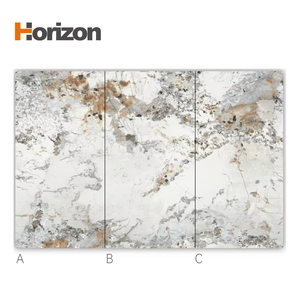
Multicolored Sintered Stone Slab Granite Design for Kitchen Islands Countertop Floor Wall Cladding
Send an Inquiry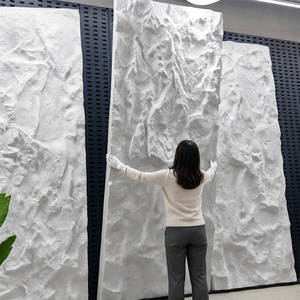
Waterproof PU Cultured Stone Wall Panel Artificial Rock Veneer Polyurethane 3D Slate Cladding Lightweight Exterior Board
Send an Inquiry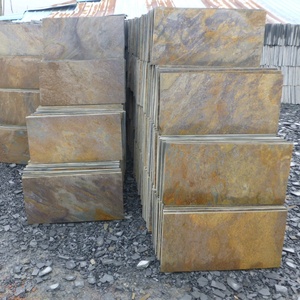
Outdoor Mixed Rusty Beige Slate Natural Stone Slate Tile Wall Cladding Paver for Patio
Send an Inquiry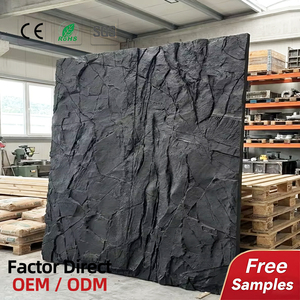
CE Certification Lightweight Polyurethane PU Stone Wall Panel Board Exterior Artificial Faux Natural Stone Veneer Wall Cladding
Send an Inquiry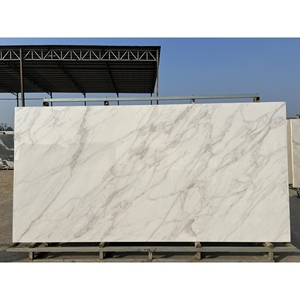
Customized Engineered Marble Surface Kitchen Island Countertop Dining Tabletop Wall Cladding Sintered Stone Slab
Send an Inquiry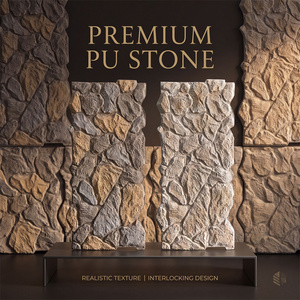
LONGTE PU Faux Stone Wall Panels Exterior Cladding Tiles Lightweight Decorative Panels Textured Rock Effect Siding Easy Install
Send an Inquiry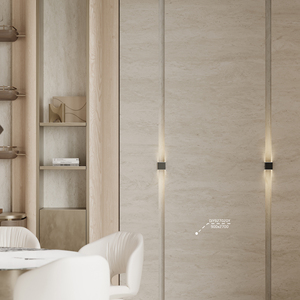
Matte White Sintered Stone Slabs 900x2700mm Soft Touch Modern Home Heat Resistant Wall Cladding Kitchen Countertop Dining
Send an Inquiry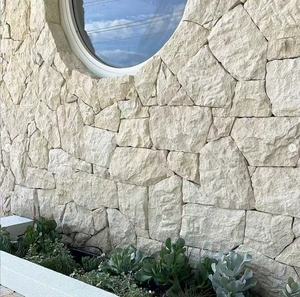
Stacked Random White Limestone Wall Natural Crazy Paving Stone Wall Cladding Dry Rock Ridge Outdoor Decorative Wall Ledger Stone
Send an InquiryExecutive Summary: Navigating Moscow’s Architectural Surface Demands
The Moscow metropolitan area represents one of the most rigorous and volume-intensive construction markets across Northern Eurasia. Driven by major urban modernization initiatives, high-density residential expansion under the Moscow Renovation Program, and premium commercial redevelopments around Moscow City (Moskva-City) and the Third Transport Ring, the demand for high-performance exterior stone cladding and interior architectural surfaces has reached unprecedented technical complexity.
Procuring stone cladding materials for the Moscow market requires navigating extreme seasonal temperature variations, ranging from sub-zero winter temperatures dipping below -30°C to summer heat waves exceeding +30°C. For international developers, facade engineering consultants, and trade procurement directors, selecting materials that balance structural durability, zero water permeability, thermal expansion tolerance, and aesthetic longevity is a critical prerequisite for project approval.
Sub-Zero Freeze-Thaw Resistance
Cladding specified for Moscow facades must pass over 200 to 300 freeze-thaw cycles (F-rating under Russian GOST standards) without micro-fissuring or structural spalling.
Ventilated Facade Compatibility (VFV)
Substructure mounting system optimization utilizing aluminum alloy or AISI 304 stainless steel anchor brackets to mitigate thermal bridging in high-rise structures.
Material Performance Matrix for Cold-Climate Engineering
Choosing between engineered sintered stone, ultra-lightweight high-density polyurethane (PU) stone veneer, and natural slate ledger stone requires evaluating key mechanical parameters. The following matrix illustrates the performance criteria engineered specifically for export specifications bound for the Central Federal District of Russia.
| Material Category | Density (kg/m³) | Water Absorption (%) | Frost Resistance (F-Cycles) | Thermal Conductivity (W/m·K) | Primary Moscow Application |
|---|---|---|---|---|---|
| Sintered Stone Slabs (12mm/20mm) | 2400 - 2500 | < 0.02% | F300+ | 1.30 - 1.50 | Ventilated Commercial Facades, Countertops, High-Traffic Lobbies |
| Polyurethane (PU) Faux Stone | 220 - 320 | < 0.10% | F200 | 0.028 - 0.035 (Insulative) | Rapid Exterior Retrofits, Interior Accent Walls, Residential Siding |
| Natural Slate & Ledger Stone | 2700 - 2800 | < 0.30% | F150 - F200 | 2.10 - 2.80 | Suburban Villa Base Plinths (Цоколь), Landscape Paving, Patios |
| Engineered Marble Veneer | 2300 - 2400 | < 0.15% | F100 (Interior Recommended) | 1.20 - 1.40 | Luxury Residential Interiors, Dining Tables, Vanity Cladding |
Deep-Dive Material Analysis: Technical Superiority & Information Gain
1. Large-Format Sintered Stone Slabs (900x2700mm & 1200x3200mm)
Engineered via extreme ultra-compaction pressing (over 15,000 tons) and fired at temperatures surpassing 1200°C, sintered stone slabs represent the pinnacle of modern surfacing technology. In Moscow’s architectural landscape, sintered stone has rapidly displaced traditional heavy granite and porous marble for exterior curtain wall and ventilated facade systems (NFS/НФС).
Key technical benefits include near-zero water absorption (<0.02%), preventing water ingress into the capillary structure. In freezing environments, absorbed moisture expands by approximately 9% in volume, causing internal micro-fracturing in natural stones. Sintered stone eliminates this structural degradation pathway entirely, guaranteeing 50+ years of maintenance-free facade stability.
2. High-Density Polyurethane (PU) Faux Stone Veneers
For mid-rise residential projects, rapid renovation work, and interior acoustic feature walls, lightweight PU cultured stone panels present an unmatched structural weight-to-performance ratio. Weighing only 4 kg to 6 kg per square meter—compared to 40 kg to 80 kg per square meter for natural stone—PU panels drastically minimize dead loads on structural building frames.
Formulated with high-density closed-cell polyurethane resins and protected with UV-resistant acrylic fluorocarbon coatings, these boards exhibit high thermal resistance (lambda value as low as 0.028 W/m·K), effectively serving as a secondary insulation layer against harsh cold winds.
3. Natural Slate Ledger & Crazy Paving Stones
Natural slate and white limestone ledger stones remain preferred materials for high-end cottage settlements in Moscow suburbs such as Rublyovko-Uspenskoye Shosse, Novorizhskoye Shosse, and Skolkovo. Exhibiting a rugged 3D split-face texture, natural slate provides timeless organic depth while maintaining natural resistance to acid rain, de-icing salts (sodium chloride/calcium chloride used on urban pavements), and heavy snowfall abrasion.
Localized Application Scenarios in Moscow Urban Development
Understanding where and how stone cladding materials are applied across the Moscow geographical area is essential for B2B exporters and architectural specification partners.
Sub-Zero Ventilated Facades (Вентилируемые Фасады)
In commercial centers along the Garden Ring and Leninsky Prospekt, large-format matte white and dark granite-effect sintered stone slabs are integrated with open-joint ventilated facade sub-frames. The air cavity allows continuous thermal convection, evacuating interior condensation before it can freeze against the building insulation envelope.
Luxury Private Estates & Plinth Cladding (Цоколь)
The ground-contact plinth zone (Tsokol) of Moscow private villas experiences severe snow drift accumulation and splash-zone freeze cycles. Stacked random white limestone and natural slate ledger stone provide a durable, non-hygroscopic barrier that preserves building foundations against ground frost heave.
High-Traffic Interior Atriums & Commercial Hubs
In major retail centers and corporate headquarters around Moskva-City, custom engineered marble and soft-touch 900x2700mm sintered stone panels are specified for high-impact wall cladding, elevator surroundings, and reception counters. Resistance to scratching (Mohs hardness 6-7) guarantees pristine aesthetics despite heavy pedestrian traffic.
Kitchen Islands & Heated Countertop Surfaces
With modern residential developments integrating open-plan kitchen-living layouts, multi-colored sintered stone slabs are specified for thermal stress resistance. They withstand direct contact with hot cookware up to 300°C without thermal shock cracking or color discoloration.
Moscow Market Trends & GOST Compliance Framework
1. Architectural Trend: Shift Towards Lightweight & Pre-Fabricated Panels
As structural engineering codes in Moscow become stricter regarding crane loads and structural steel density in high-rise constructions, developers are actively pivoting from 30mm thick wet-hung natural granite to 12mm sintered stone ventilated facades and PU faux stone panels. Dry-hung installation methods reduce installation time on-site by up to 40%, an invaluable factor during short summer construction windows in Northern latitudes.
2. Regulatory Compliance: GOST Standards & EAC Certification
Suppliers and exporters looking to secure contract wins in the Russian market must ensure products conform to national technical regulations:
- GOST 9480-2012: Facing plates made of natural stone – defining physical and mechanical requirements, water absorption limits, and dimensional tolerances.
- GOST 30244-94: Building materials combustibility testing. Sintered stone achieves Class NG (non-combustible), making it fully approved for high-rise residential exterior facades exceeding 75 meters in height.
- EAC Declaration: Eurasian Conformity certification validating safety, environmental compliance, and structural integrity across the Eurasian Customs Union.
Logistics Strategy, Freight Routes & Packaging Standards
Exporting heavy, fragile stone cladding products from international manufacturing centers to Moscow hubs requires specialized logistics planning. Our global supply chain network ensures reliable end-to-end transport via dedicated direct rail container transport (e.g., Chongqing/Chengdu to Vorsino / Electrougli terminals in Moscow region) and direct sea-truck intermodal routes.
Sub-Zero Reinforced Packaging Protocols
Sintered stone slabs and fragile ledger tiles are packed in custom heavy-duty A-frame wooden crates or fully enclosed, fumigated ISPM-15 wooden boxes. Shock-absorbing EPE foam layers, vapor-barrier plastic wraps, and anti-corrosion desiccant packs prevent condensation damage during temperature transitions across transit corridors.