Engineered Polycarbonate & Architectural Lighting Product Solutions
Explore our specialized line of OEM polycarbonate panel systems, light-guiding diffusers, and integrated decorative lighting features designed strictly to meet North American commercial, hospitality, and residential architectural submittal standards.
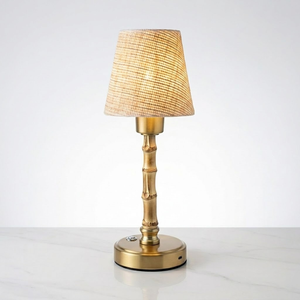
Rechargeable Hospitality Cordless LED Polycarbonate Core Table Lamp
Engineered with high-impact, UV-stabilized frosted inner polycarbonate light tubes and eco-bamboo framing for outdoor resort dining and luxury hospitality spaces across the US.
Get a Quote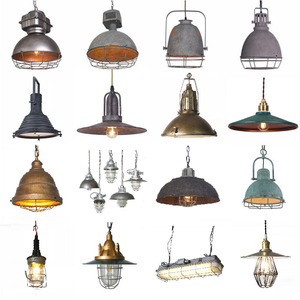
Industrial Amber Polycarbonate Pendant Shade Ceiling Light Fixture
Shatterproof amber-tinted optical polycarbonate lens body with rugged metal fittings. Meets stringent commercial dining high-impact overhead installation criteria.
Get a Quote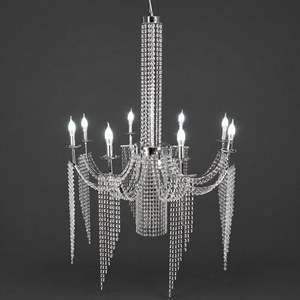
Modern Rectangular Gold/Chrome Pendant with Polycarbonate Diffusers
Precision CNC-milled anti-glare polycarbonate bottom panels combined with electroplated steel housing. Ideal for hotel ballrooms, conference tables, and executive suites.
Get a Quote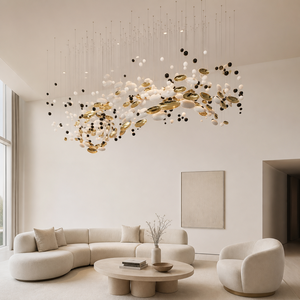
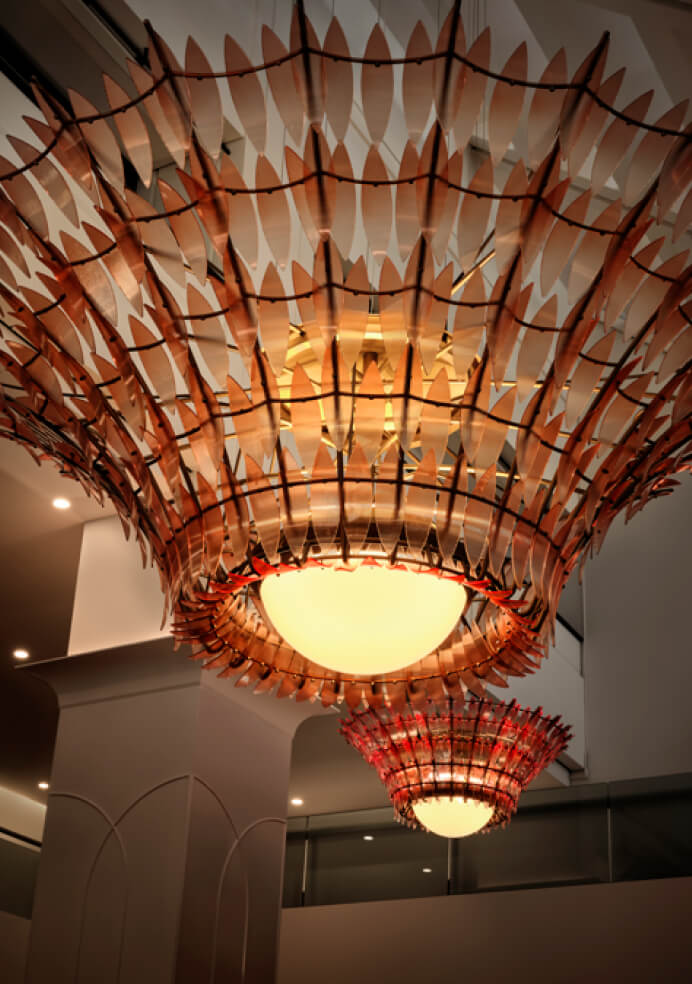
Custom Modular Polycarbonate Prism Hotel Lobby Staircase Chandelier
Lightweight, ultra-durable optical polycarbonate clear prism elements forming massive atrium sculptures without requiring reinforced heavy structural ceiling anchors.
Get a Quote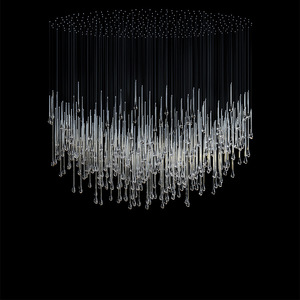
Extruded Fluted Polycarbonate Linear LED Suspension Light Panel
Continuous co-extruded polycarbonate lens tubes delivering flawless light diffusion with zero pixelation. Configurable heights for banquet halls, lobbies, and corporate plazas.
Get a Quote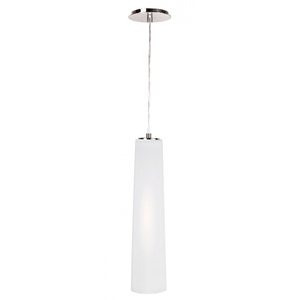
Marriott & Residence Inn Standard Polycarbonate Guestroom Ceiling Light
UL94 V-0 fire-rated optical polycarbonate diffuser insert inside textured fabric shades. Manufactured directly to major US hotel brand master specifications.
Get a Quote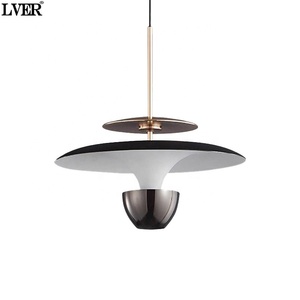
Acoustic Baffle Integrated Polycarbonate Lens High Luminous Spotlight
Combines sound-dampening architectural baffles with laser-cut anti-scratch optical polycarbonate lenses for high-efficiency commercial restaurant overhead illumination.
Get a Quote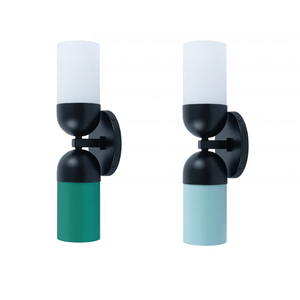
Cylindrical Fluted Polycarbonate Hotel Guest Room Wall Sconce
Dual-light architectural sconce featuring heavy-gauge UV-protected fluted polycarbonate cylinders. Designed for modern hospitality corridor and suite lighting packages.
Get a Quote1. Technical Whitepaper: Advanced Polycarbonate Panel Engineering for North American AEC Projects
In contemporary architectural design, the demand for lightweight, high-impact structural transmissive materials has elevated thermoplastic polycarbonate (bisphenol A polycarbonate) to the forefront of envelope and interior material selection. As an established OEM/ODM factory and direct supplier serving general contractors, glazing sub-contractors, and architectural specifiers throughout the United States, our engineering methodology bridges the gap between raw polymer synthesis and sophisticated architectural execution.
Polycarbonate exhibits an extraordinary mechanical profile, characterized by an impact resistance exceeding 250 times that of float glass and 30 times that of high-grade acrylic (PMMA). However, utilizing custom polycarbonate panels in commercial building construction across US climate zones requires rigorous material formulation. Standard untreated polycarbonate degrades under ultraviolet radiation (wavelengths 290–400 nm), leading to photo-yellowing and loss of flexural modulus over time.
Our factory solves this through advanced co-extrusion UV blocking technology. By applying a high-density, 50-micron molecular UV protective layer directly during sheet extrusion, our architectural panels retain over 98% of their original light transmission and flexural strength across a 15-year operational lifecycle, even under high solar irradiance environments in Sunbelt states like Arizona, Texas, and Florida.
Precision 5-Axis CNC & Thermoforming Capabilities
Custom OEM manufacturing demands exact geometric fidelity. Our state-of-the-art production facility operates automated 5-axis CNC routing systems capable of processing panel dimensions up to 12 x 40 feet with tolerances within ±0.2mm.
Whether your submittal requires compound curved light diffusers, interlocking tongue-and-groove multiwall facade systems, or precision laser-engraved light guide panels (LGP), our engineering team performs comprehensive Design for Manufacturability (DFM) reviews prior to tooling.
2. Engineering Performance & Material Property Comparison Matrix
Selecting the correct polymer variant is crucial for structural integrity, optical performance, and fire rating compliance under US building codes (IBC/NFPA). The table below outlines key technical parameters across our primary custom OEM polycarbonate panel product lines.
| Polycarbonate Panel Series | Primary Structure | Light Transmission | Fire Rating Standard | Impact Rating | Target US Application |
|---|---|---|---|---|---|
| Monolithic Solid Clear | Optical Polycarbonate Sheet | 86% – 89% | ASTM E84 Class A / UL94 V-2 | 250x Glass | Security glazing, skylights, acoustic walls |
| Multiwall Cellular Panel | Twin/Triple-Wall Extrusion | 55% – 78% | ASTM E84 Class A / NFPA 286 | High Structural Load | Translucent rainscreen facades, daylighting roofs |
| Flame-Retardant UL94 V-0 | Halogen-Free Additive Polymer | 82% – 85% | UL94 V-0 / FAR 25.853 | Self-Extinguishing | Transit hubs, elevator interiors, hotel corridors |
| Micro-Prismatic Optical LGP | Laser-Etched Matrix Base | 92% Efficiency | ASTM E84 Class A | High Scratch Resist | Backlit architectural features, thin LED canopies |
| Textured / Fluted Architectural | Ribbed & Embossed Surface | 60% – 75% Diffuse | ASTM E84 Class A | Shatterproof Surface | Hospitality partitions, retail visual displays |
3. Localized US Architectural Application Scenarios
Commercial architecture in the United States varies dramatically by geographic region, local building codes, and sector-specific aesthetic guidelines. Below are four primary application scenarios where our custom OEM polycarbonate panels provide measurable technical and economic advantages.
High-Traffic Hospitality & Casino Spaces (Las Vegas, NV & Orlando, FL)
In major resort developments across Nevada and Florida, interior feature installations require materials that balance dramatic aesthetic presence with continuous public safety. Heavy glass canopies pose severe overhead dead-load risks and earthquake shear hazards.
Our custom thermoformed fluted polycarbonate panels and suspended LED light fixtures deliver high visual impact while weighing 60% less than glass. Engineered to meet UL94 V-0 self-extinguishing criteria, they allow rapid smoke release compliance and simplified structural overhead grid framing.
Commercial Retail Flagships & Showrooms (New York, NY & Los Angeles, CA)
Luxury retail storefronts and urban flagship stores on Fifth Avenue or Rodeo Drive demand pristine optical clarity combined with vandal-resistant durability. Traditional glass facades are vulnerable to impact damage and expensive downtime.
We supply customized scratch-resistant coated solid polycarbonate panels. Featuring hard-coat siloxane technology, these sheets offer superior abrasion resistance equal to quartz glass while maintaining an unyielding barrier against forced entry, graffiti, and extreme thermal fluctuations.
Healthcare Cleanrooms & Laboratories (Boston, MA & Chicago, IL)
Medical campuses and biotechnology laboratories require seamless, hygienic wall cladding and glare-free illumination surfaces that withstand aggressive chemical sterilization routines (including hydrogen peroxide vapor and isopropyl alcohol).
Our specialized antimicrobial-coated polycarbonate wall sheets feature non-porous surfaces that actively inhibit bacterial growth. They are lightweight, impact-resistant, and easily thermoformed into radiused wall corners to prevent dirt accumulation in clinical environments.
Hurricane Impact Architectural Rainscreens (Gulf Coast & Eastern Seaboard)
Exterior building envelopes in hurricane zones require structural glazing that satisfies Miami-Dade High Velocity Hurricane Zone (HVHZ) standards and Texas Department of Insurance (TDI) windborne debris specifications.
Our thick multiwall polycarbonate panel systems are engineered with aluminum edge-profile joinery capable of withstanding extreme negative pressure wind loads up to 120 PSF, delivering daylighting solutions that survive severe weather events intact.
4. US Market Trends: Sustainability, LEED v4.1, and Decarbonization
As commercial construction shifts toward aggressive energy efficiency goals and net-zero targets under local municipal ordinances (such as New York City's Local Law 97), architectural specifiers are re-evaluating material embodied carbon and solar thermal gain.
Optimizing Thermal Performance & Daylighting Dynamics
Standard glass facades often lead to excessive thermal solar heat gain, significantly inflating HVAC operating costs in warm weather zones. Our engineered multiwall polycarbonate panel systems feature integrated nanostructured infrared (IR) blocking resins that selectively reflect heat-generating solar radiation while permitting diffuse daylight penetration.
Achieving U-factors as low as 0.18 BTU/hr·ft²·°F (equivalent to triple-pane glass insulated units) at a fraction of the structural weight, our panels help project teams earn crucial LEED v4.1 points under Energy & Atmosphere (EA) Credit: Optimize Energy Performance and Indoor Environmental Quality (EQ) Credit: Daylight.
5. Enterprise Advantages: OEM In-House Engineering & Direct Factory Supply
Procuring custom architectural elements from international factories often introduces concerns regarding structural quality control, lead time drift, and regulatory compliance. At VISO, our vertically integrated OEM manufacturing model eliminates intermediary markups and guarantees total design-engineering accountability from preliminary shop drawing submittals to job site delivery.
Global Studio Coordination
Headquartered in Toronto with direct sales and engineering hubs in Miami, Lisbon, Riyadh, and Dubai, our international engineering network offers continuous client support, quick sample turnarounds, and cross-border regulatory expertise for global AEC developments.
Full In-House Fabrication
From vacuum drape forming, edge polishing, ultrasonic welding, to CNC profile milling, all manufacturing steps take place in controlled factory environments under strict ISO 9001 quality management protocols.
US Port Logistics & Compliance
We manage all export documentation, customs clearance, duty processing, and protective wooden crating. Direct freight routes straight to major US ports (Long Beach, Newark, Savannah, Houston) guarantee on-time job site arrival.
6. Frequently Asked Questions (FAQ) for US B2B Procurement & Specifiers
Critical answers addressing building code compliance, custom tooling, thermal expansion, and supply chain logistics for North American commercial buyers.
Partner with a Leading Custom Polycarbonate OEM Factory
Bring our engineering team into your design phase early. Whether you require structural shop drawings, custom color samples, or a complete project cost estimate, our engineers are ready to assist.