Curated B2B Lighting Specifications
Custom-engineered luminaires and glass chandeliers manufactured to rigorous CE/EAC standards for procurement leads, interior specifiers, and hotel developers across Uzbekistan.
Executive Briefing: Sourcing Custom Glass Chandeliers from China for Uzbekistan’s Commercial Renaissance
Market Dynamics, Structural Engineering & Strategic Procurement Pathways
The Republic of Uzbekistan is experiencing an unprecedented construction and architectural boom. Driven by national economic diversification initiatives, projects such as Tashkent City, the expansion of the Silk Road Samarkand Cultural & Hospitality Hub, and nationwide infrastructure modernizations have spurred massive demand for high-caliber decorative luminaires. Specifically, grand banquet halls (Toykhonas), five-star international hotels, diplomatic residences, and luxury residential enclaves require large-scale, custom glass chandeliers and intricate architectural metalwork that combine visual opulence with stringent engineering precision.
As the primary global epicenter for decorative lighting manufacturing, Chinese wholesale factories and design-engineering studios provide the exact structural capabilities, custom hand-blown glass artistry, and cost-efficiency needed to fulfill Uzbekistan’s ambitious design briefs. Sourcing directly from top-tier Chinese manufacturers allows architectural specifiers and procurement agencies in Tashkent, Samarkand, and Bukhara to bridge the gap between high-concept artistic renderings and physically robust, installed lighting fixtures.
However, successful international procurement requires navigating complex regional requirements—including compliance with Eurasian Economic Union (EAC) certification, seismic load safety calculations for Central Asia’s active fault lines, and resistance to environmental dust conditions. Our direct-factory manufacturing framework guarantees that every bespoke chandelier, from multi-tier blown-glass cascading pendants to massive brass canopy installations, fulfills both aesthetic expectations and rigorous technical benchmarks.
Localized Architectural Application Scenarios Across Uzbekistan
Tailoring Chinese custom lighting engineering to the specific architectural topologies of Central Asia.
1. Grand Event Halls & "Toykhonas"
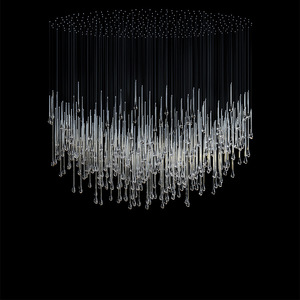
Banquet culture in Uzbekistan demands colossal ceiling features that serve as dramatic visual anchors. Custom glass chandeliers designed for these venues typically range from 4 to 12 meters in diameter. Incorporating high-lumen LED modules, hand-cut crystal prisms, and structural stainless-steel internal skeletons, these fixtures deliver uniform, brilliant illumination across vast, column-free spaces while withstanding significant suspended loads.
2. International Luxury Hospitality
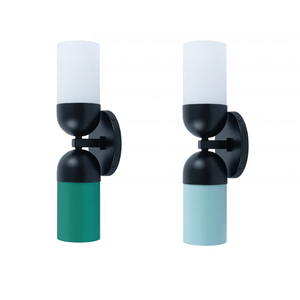
Projects across Tashkent’s Mirabad and Yakkasaray districts—including five-star hotel lobbies, executive lounges, and fine-dining venues—require sophisticated ambient lighting. Factories produce custom hand-blown art glass droplets, frosted crystal light rings, and dimmable architectural sconces engineered to integrate seamlessly with automated DALI and Lutron lighting control systems.
3. Private Villas & Luxury Duplexes
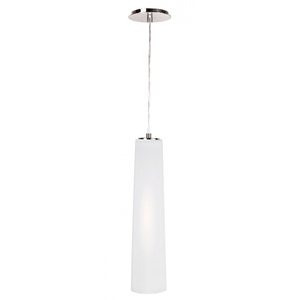
The rise of premium residential developments in Tashkent City and suburban Samarkand has generated intense demand for long, adjustable-height staircase pendants and modern geometric chandeliers. Using modular aluminum alloy framing, electroplated brushed brass finishes, and low-glare diffusion glass, these pieces elevate multi-level residential stairwells and high-ceiling foyers.
4. Heritage Restorations & Boutique Hotels
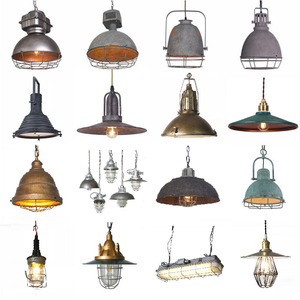
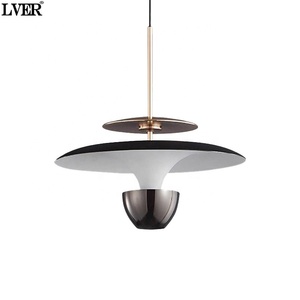
In historic centers like Bukhara and Khiva, boutique hotels blend ancient Silk Road architecture with contemporary comfort. Lighting solutions feature custom brass mesh pendant lamps, vintage industrial E27 fixtures, and warm 2700K ambient ceiling lamps that highlight traditional brickwork and carved wood interiors without overwhelming the historical aesthetic.
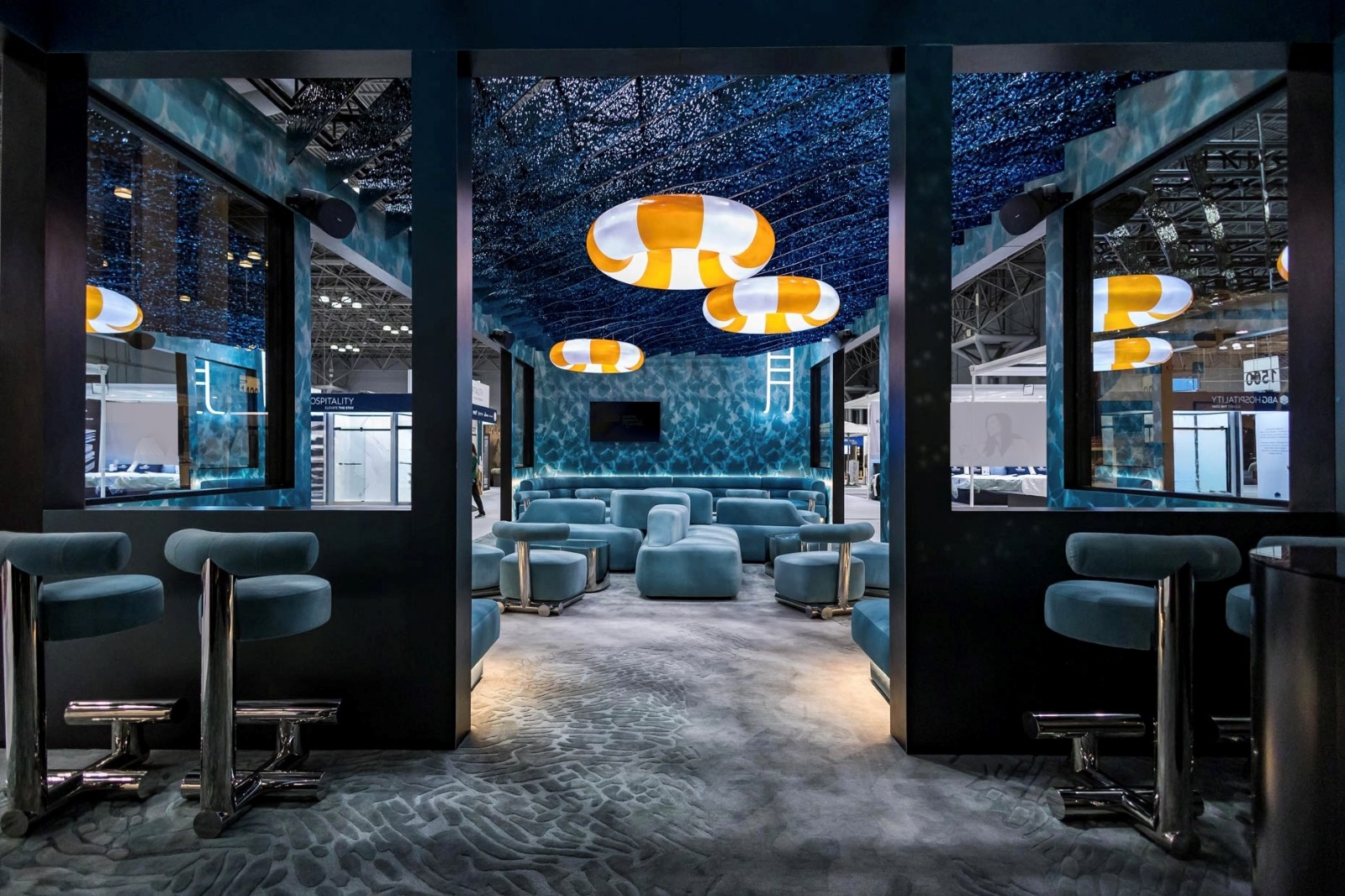
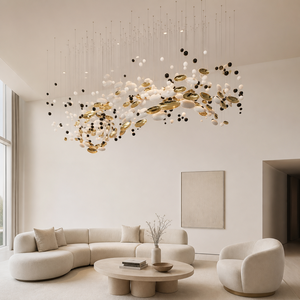
Grand Hospitality Installations
Design-engineered light canopies for large-scale public and hotel reception spaces.
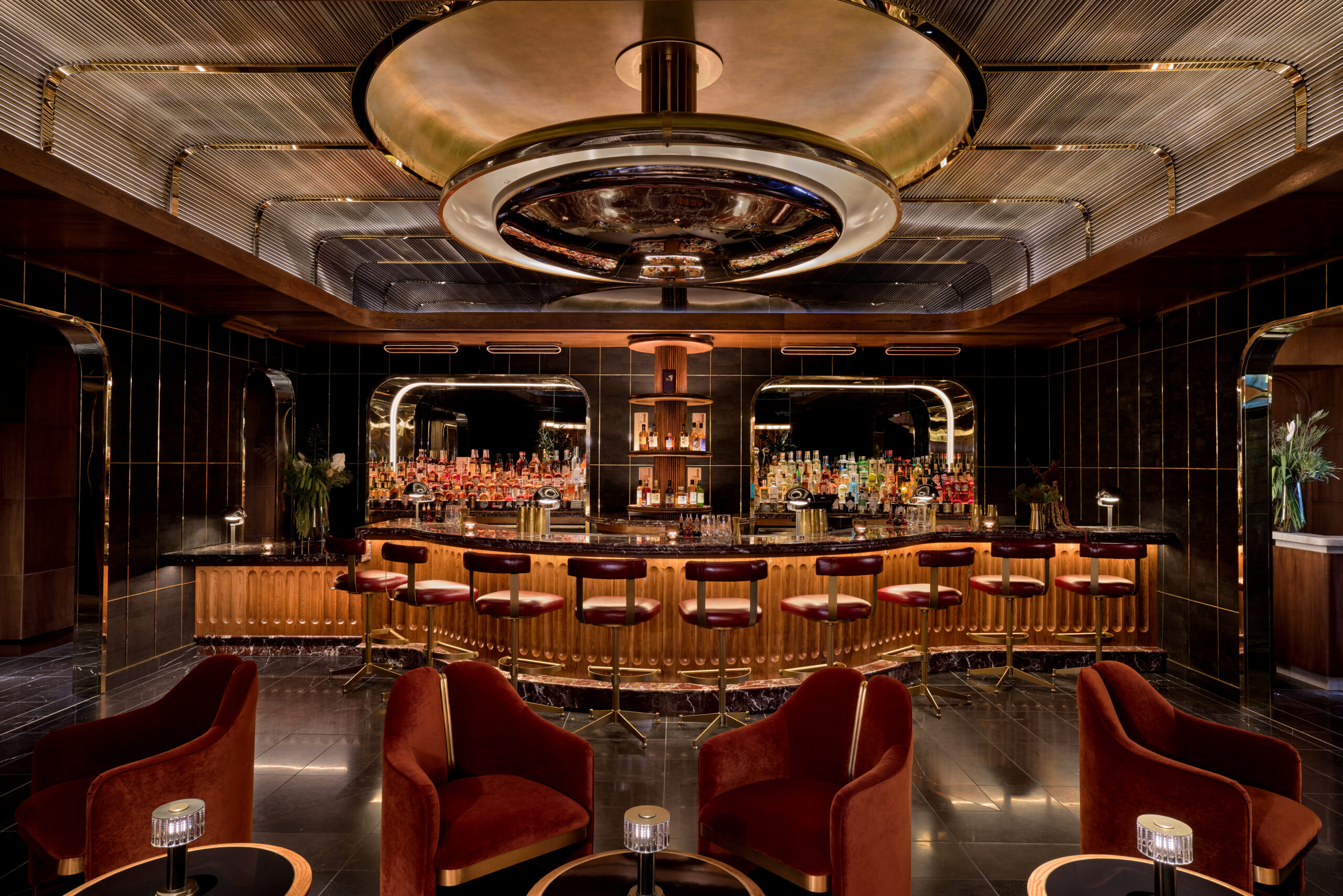
Warm Ambient Restaurant Features
Layered glass and metal lighting creating immersive dining environments.
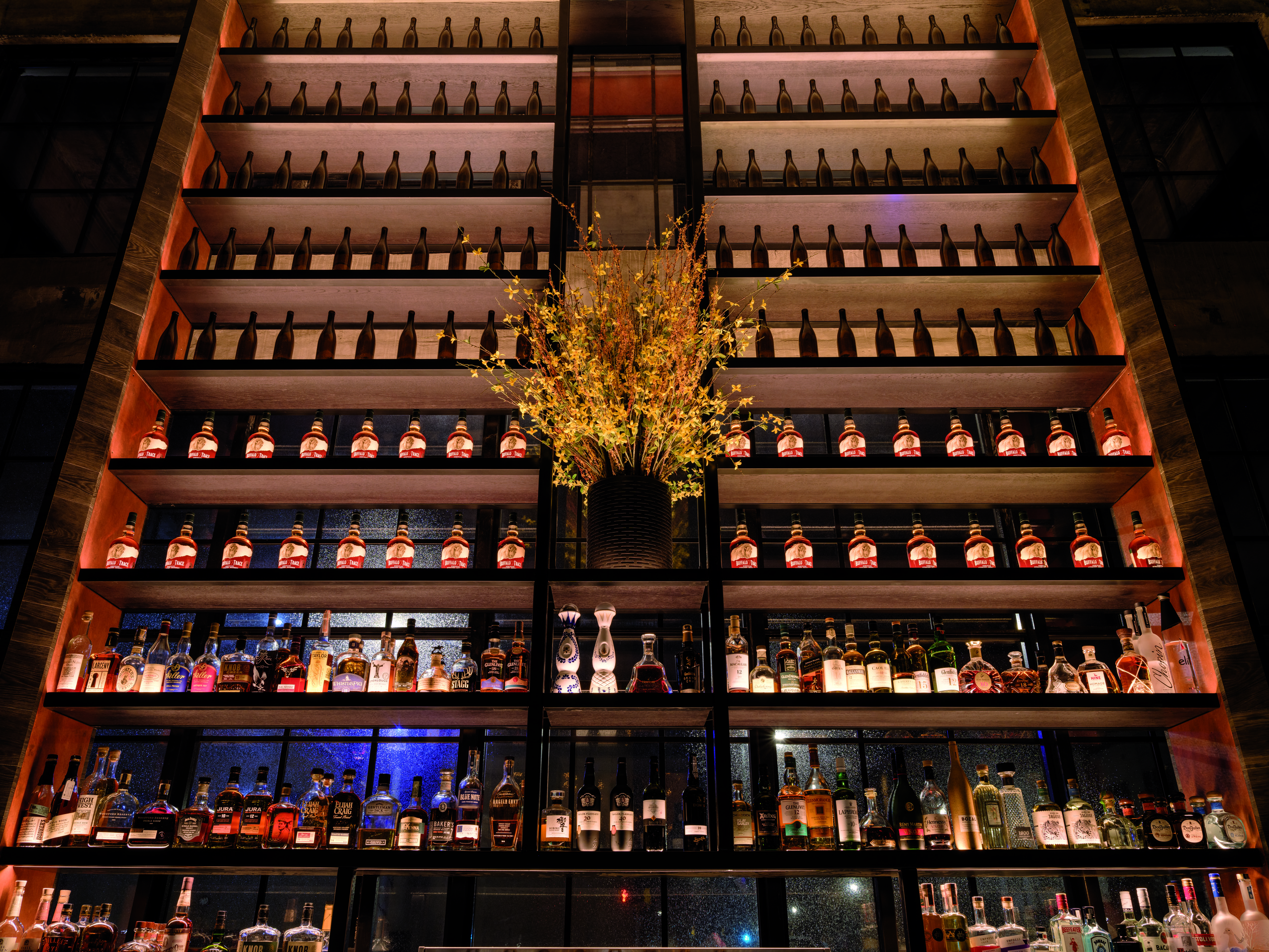
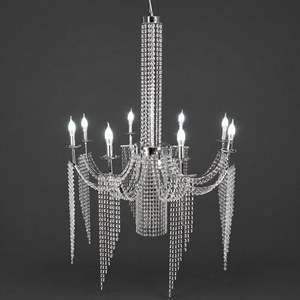
Precision Crystal Assemblies
Floating glass and crystal elements engineered for maximum optical brilliance.
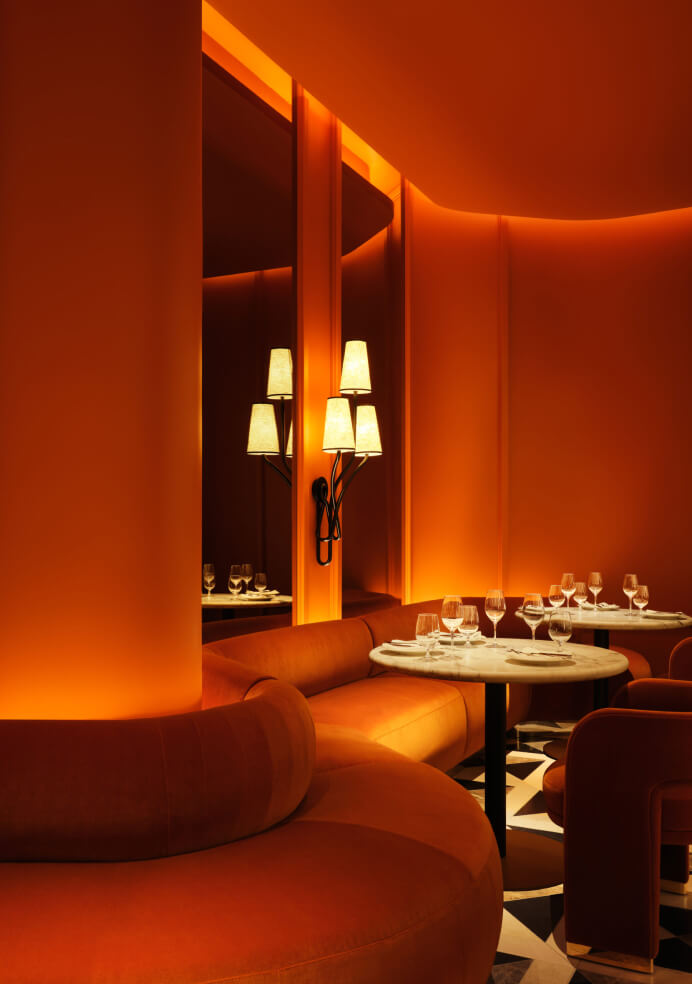
In-House Factory Metalwork & Glass Engineering
Complete control over fabrication, electroplating, and structural load testing.
Key Macro Trends Shaping Uzbekistan’s Lighting Import Landscape
Emerging Technologies, Cultural Aesthetics & Environmental Adaptations
Understanding local trajectory allows procurement teams to future-proof their decorative lighting investments. Our engineering studios have identified four major market shifts across the Central Asian region:
1. Harmonization of Islamic Geometric Art with Modernist Glass blowing
Architects in Uzbekistan are moving away from generic European reproductions toward custom pieces that honor local heritage. China's top lighting factories utilize precision laser-cut brass grids featuring traditional Islamic star motifs (Girih), integrated with hand-blown colored glass or optical crystal rods. This fusion delivers culturally resonant fixtures that meet international luxury standards.
2. High Energy-Efficiency & Wide-Voltage Thermal Management
With Uzbekistan reforming its national energy sector and introducing stricter efficiency mandates, lighting specifications are shifting rapidly toward high-efficacy LED modules (minimum 120 lm/W) with high Color Rendering Index (CRI > 90). Furthermore, because regional electrical grids can experience voltage fluctuations between 180V and 250V, factory-installed constant-current, wide-voltage drivers (100-277V) with thermal overload protection are mandatory for long-term operational stability.
3. Structural Seismic Resilience & Vibration Damping
Tashkent and the surrounding Fergana Valley sit within a seismically active zone. Heavy glass chandeliers suspended in high-ceiling halls pose significant safety risks if improperly engineered. Modern manufacturing involves finite element analysis (FEA) to engineer dual-cable safety wire suspensions, aircraft-grade steel safety lanyards, and rubberized vibration-damping mounting plates capable of absorbing seismic shock waves up to magnitude 8.0 on the Richter scale.
4. Advanced Dust Proofing (IP Protection) for Glass & Crystal Modules
Due to regional climate characteristics, ambient dust and fine sand particles can penetrate standard light fixtures, dulling crystal clarity and degrading internal electronics. Leading Chinese manufacturers now supply decorative chandeliers engineered with dust-sealed driver compartments (IP54 to IP65 ratings) and antistatic glass coatings that reduce maintenance cycles for facility operators.
Enterprise Capabilities: End-to-End Factory Engineering & OEM/ODM Superiority
Why leading global architectural practices and Central Asian importers trust our direct manufacturing alliance.
Navigating the transition from artistic concepts to completed installations requires comprehensive engineering oversight. Our manufacturing partner facilities combine centuries-old glassmaking traditions with cutting-edge digital fabrication technologies.
In-House Design for Manufacturability (DFM)
Our engineering team translates sketches, CAD files, and 3D renderings into fully detailed shop drawings and Reflected Ceiling Plans (RCP). We resolve structural load distributions, thermal dissipation, and electrical routing before production begins, eliminating costly jobsite revisions.
Advanced Surface Metal & Glass Finishing
Equipped with automated electroplating tanks, physical vapor deposition (PVD) chambers, and multi-axis CNC machines, our factories deliver consistent metal finishes—including antique brass, polished chrome, matte black, and satin gold. Hand-blown borosilicate glass and K9 optical crystal elements are inspected for structural purity and light transmission.
Rigorous Pre-Assembly & Testing Protocols
Every custom fixture undergoes 100% pre-assembly in our production facility. We perform rigorous electrical hipot safety tests, lumen output verification, color temperature matching (CCT deviation within 3 SDCM), and full load suspension checks. Photo and video records are submitted to the client for sign-off prior to crating.
In addition, our global logistics division coordinates direct rail freight routes connecting major manufacturing hubs in Guangdong and Zhejiang through the Khorgos Dry Port directly to Tashkent dry ports (Chukursay/Sergeli). Custom wooden crate packaging with multi-layer high-density shock absorption foam ensures zero breakages during transcontinental transit.
Frequently Asked Questions (FAQ) for Uzbekistan Importers & Specifiers
Technical, commercial, and logistical clarifications for smooth factory-direct procurement.
Q1: What is the typical freight route and lead time for chandelier shipments from China to Tashkent?
Shipments move primarily via containerized rail freight (FCL/LCL) or direct cross-border trucking through the Khorgos / Altynkol land border. Freight transit time from Chinese factories to Tashkent customs terminals is typically 14 to 21 days. Production lead times range from 15 days for standard catalog items to 35-45 days for large-scale custom glass chandeliers.
Q2: Do your lighting products meet Eurasian Economic Union (EAC) certification standards?
Yes. All electrical drivers, LED chips, and complete luminaire assemblies can be delivered with full CE, RoHS, and EAC (TR CU 004/2011 and TR CU 020/2011) compliance documentation, ensuring frictionless customs clearance across Uzbekistan and CIS member states.
Q3: How do you guarantee fragile glass chandelier components arrive unbroken?
We utilize custom ISPM-15 certified heat-treated solid wood packaging with internal high-density EVA shock-absorption foam molds customized to each individual glass part. Furthermore, we include a 3% to 5% complimentary replacement stock of all hand-blown glass and crystal parts inside every shipment to cover any unexpected on-site handling accidents.
Q4: What voltage modifications are made for the electrical infrastructure in Uzbekistan?
We install wide-voltage LED drivers engineered for 180V-265V AC operating ranges at 50Hz. Drivers include integrated surge protection (up to 4kV-10kV), flicker-free dimming capabilities (0-10V, TRIAC, or DALI), and high power factor ratings (>0.95) to protect against local voltage spikes.
Q5: Can your factory provide on-site installation support or detailed assembly manuals in Russian/Uzbek?
Every custom fixture is delivered with detailed, color-coded step-by-step assembly guides, electrical wiring diagrams, and numbered component callouts translated into Russian and English. For mega-scale projects (such as hotel lobbies or event centers), we can dispatch experienced installation engineers directly to the job site in Uzbekistan to oversee local trade crews.
Q6: What payment methods and trade terms are supported for B2B buyers in Uzbekistan?
We support standard international B2B payment structures, including Telegraphic Transfer (T/T) with deposit terms, and Irrevocable Letters of Credit (L/C at sight) issued by major Uzbek commercial banks. Available Incoterms include EXW, FOB China ports, DAP Tashkent, and DDP direct to job site.