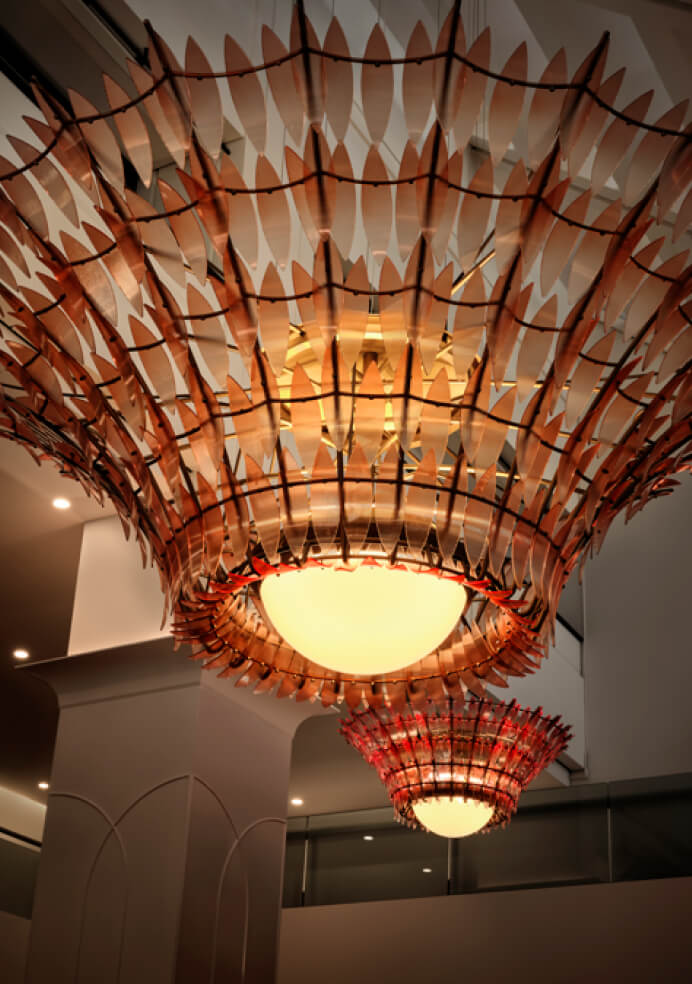
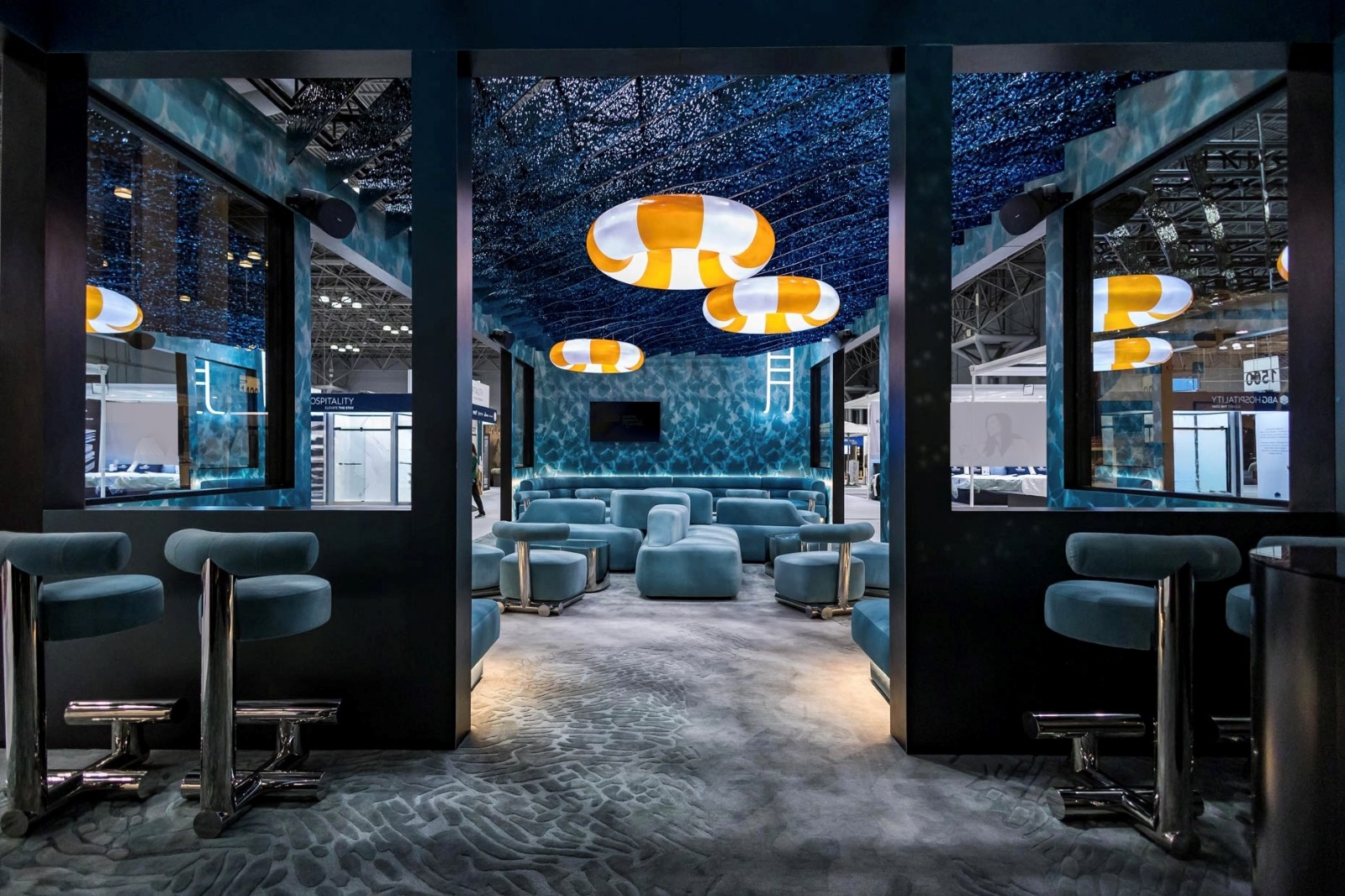
The Splash Pad large-scale lighting installation engineered by VISO for BDNY
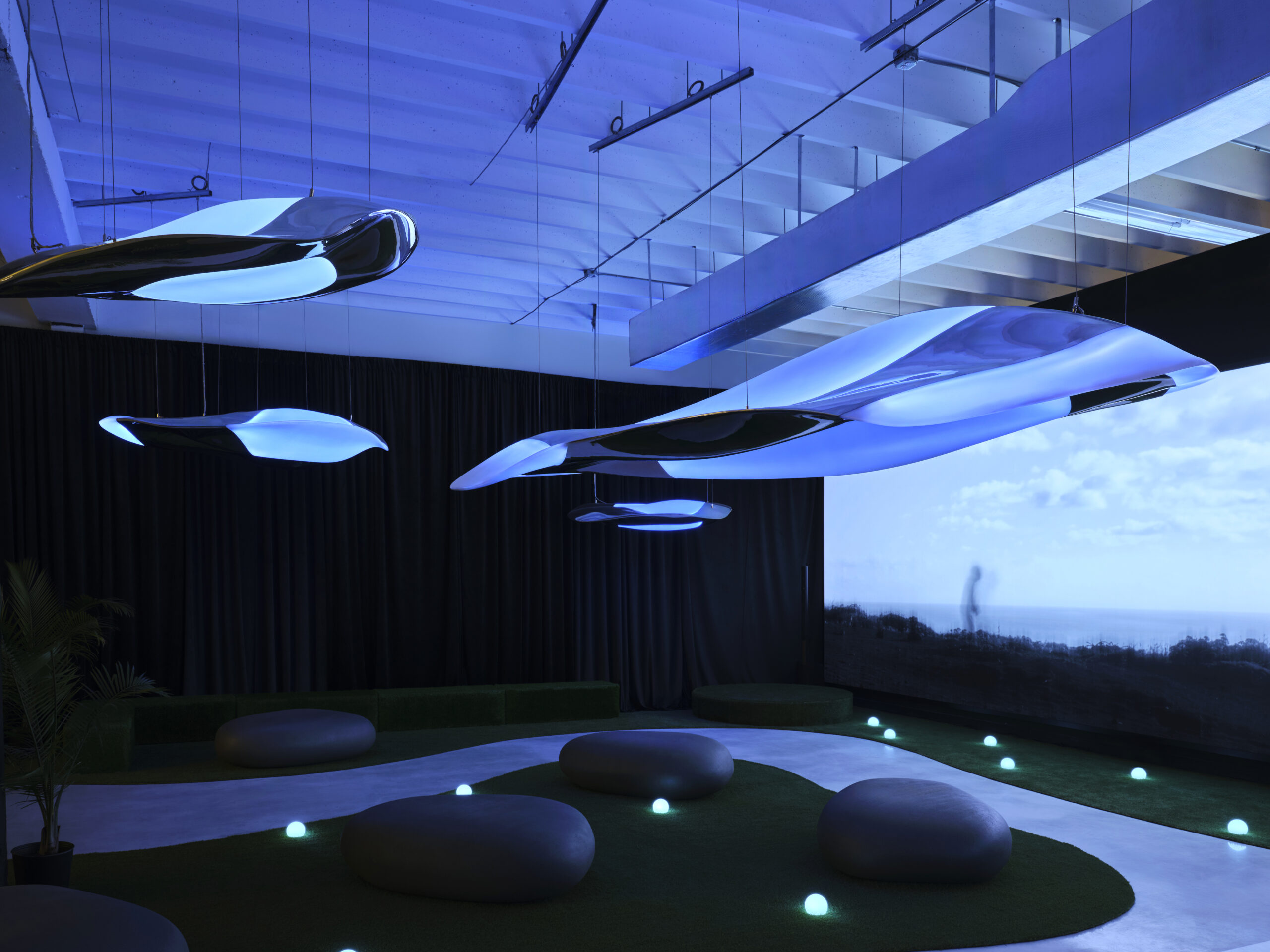
A Childhood Dream custom sculptural light feature previewed at VISO Miami
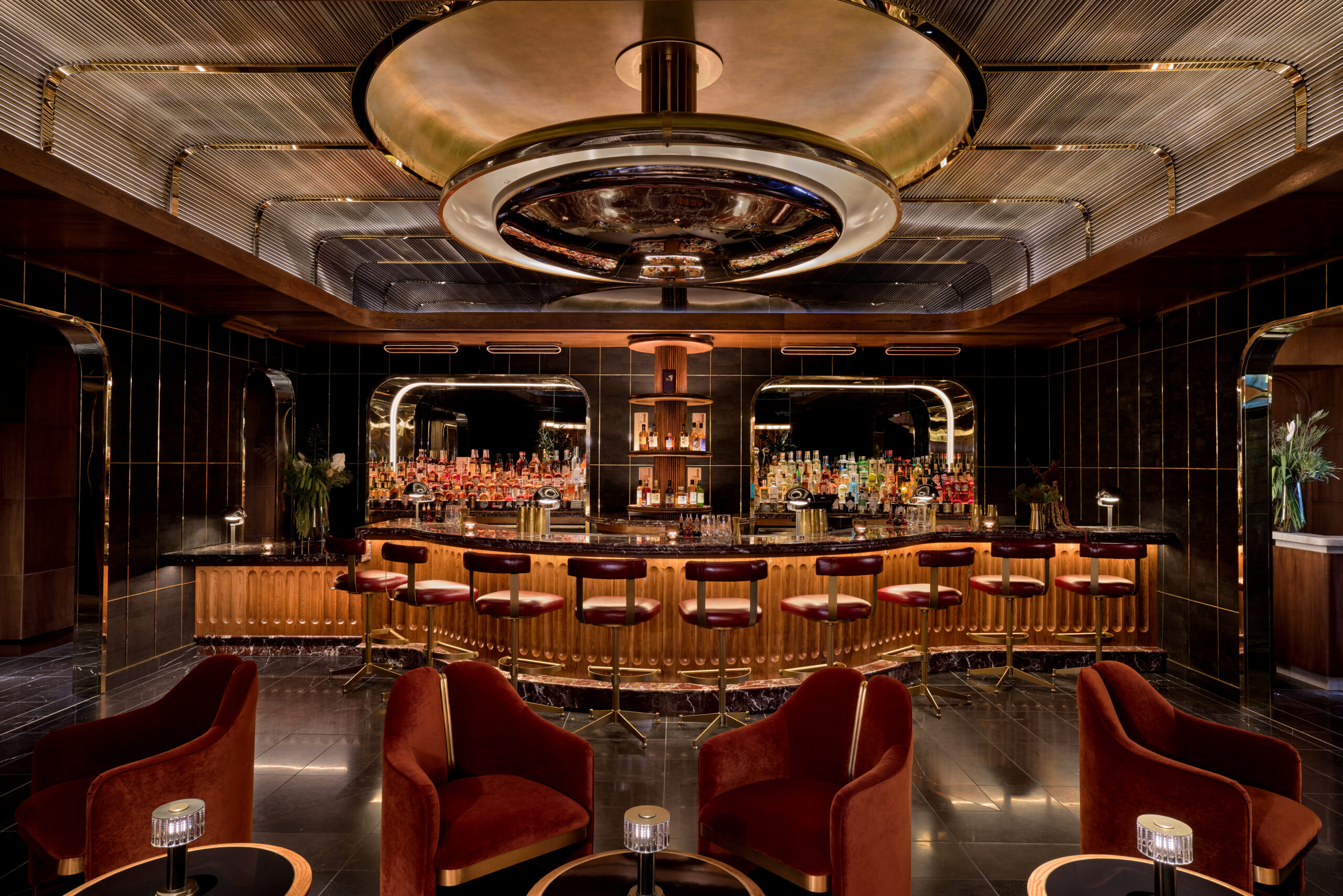
Nuri Steakhouse Dallas featuring custom decorative lighting installations
Amelia Gene floating crystal light canopy installation by VISO

Architectural Engineering & Global Procurement Guide

Large-Scale Lighting Installations: Master Engineering & Global Procurement

From multi-story hotel atriums to luxury retail flagships, executing monumental lighting features requires rigorous Design-for-Manufacture (DFM), structural load analysis, smart control integration, and multi-material precision. Discover how top architects and procurement leads de-risk complex installations across North America, Europe, and the Middle East.

The Splash Pad — BDNY Collaboration

Design-engineered in-house with Dream Hotels and Nivek Remas.

A Childhood Dream — Art Basel Miami

Award-winning light sculpture engineered with precision joinery and optics.

Custom Atrium Illumination

Full structural calculations, thermal testing, and pre-wiring prior to export.

Aston Martin Q — New York Flagship

Bespoke lighting feature engineered alongside Lighting Workshop.

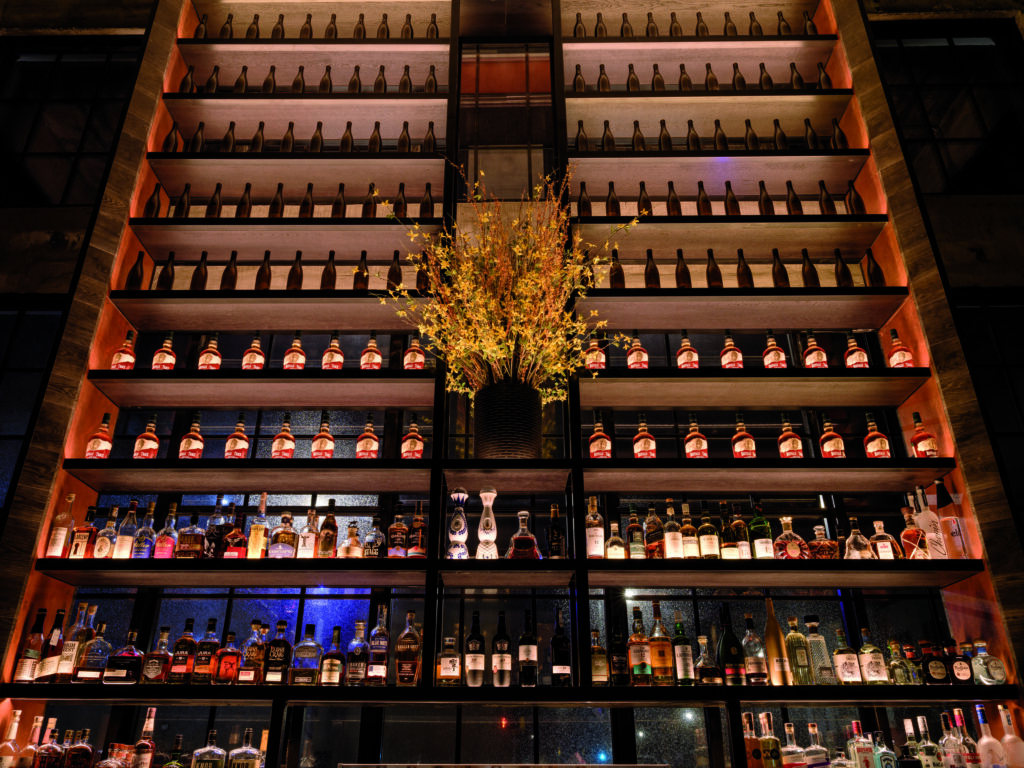
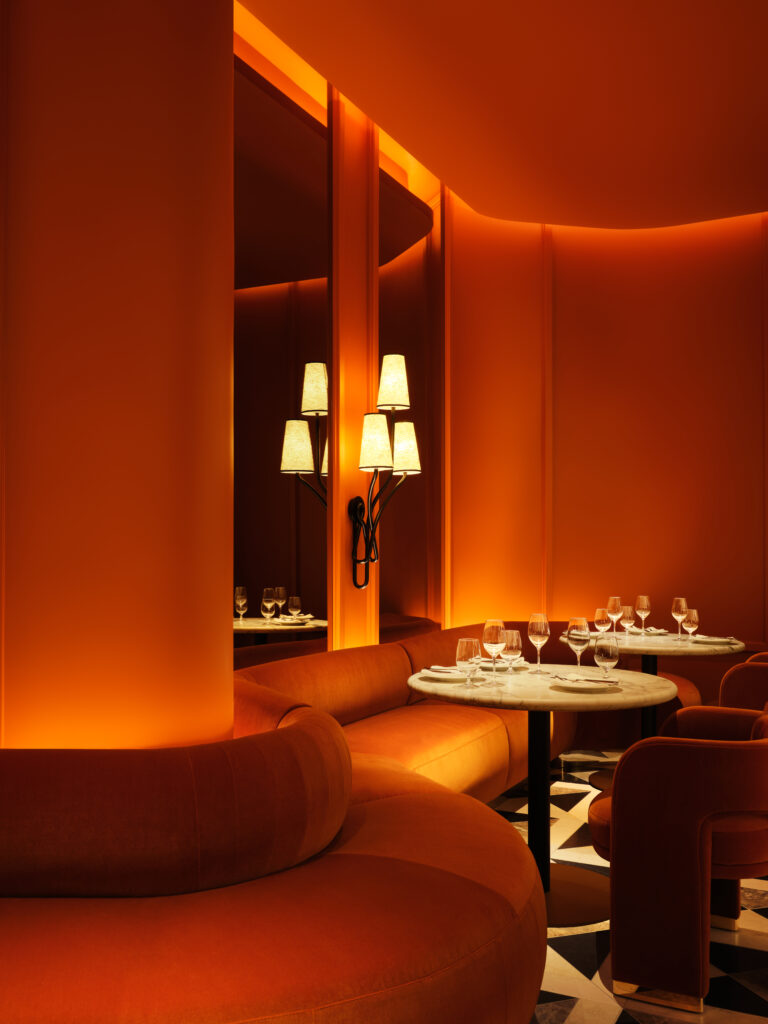
Nuri Steakhouse — Dallas, TX

Layered warmth and custom metal screen integration with AvroKO.

Amelia Gene — Memphis, TN

Floating hand-cut crystals under a mirrored canopy by Johnson Studio.

Single-Source Engineering & Manufacturing

De-risking Monumental Architectural Features from Concept to Site Installation

When specifying Large-Scale Lighting Installations for luxury hospitality, high-density residential towers, and civic developments, design intent frequently clashes with physical engineering realities. Multi-story ceiling spans, dynamic thermal loads, stringent electrical safety codes (UL, CE, SASO), and site coordination across global time zones present massive execution risks for general contractors and procurement agencies.

At VISO, we eliminate risk by unifying design-engineering, rapid prototyping, metal fabrication, natural stone processing, and electrical assembly under one roof. Operating across global studios in Toronto (HQ), Miami, Lisbon, Riyadh, and Dubai, our specialized teams bridge the gap between speculative design and buildable, code-compliant architectural reality.

Specified by globally renowned design firms including AvroKO, II BY IV DESIGN, Studio Paolo Ferrari, Nina Magon Studio, Johnson Studio at Cooper Carry, and Lighting Workshop.

5 StudiosToronto | Miami | Lisbon | Riyadh | Dubai
3 DisciplinesLighting | Metal Screens | Stone Features
100% In-HouseDFM Engineering & Prototyping
Global Cert.UL 1598 | CE | SASO | ETL Certified

1. The Architectural Imperative of Large-Scale Lighting Installations

In modern commercial and hospitality architecture, lighting is no longer treated as a decorative afterthought or a simple utility for illumination. Today, large-scale lighting installations serve as the primary spatial anchor in multi-story hotel atriums, luxury retail flagships, corporate headquarters, and high-end dining destinations. A monumental custom fixture defines spatial volume, governs human traffic flow, mitigates acoustic echo when paired with architectural panels, and creates the definitive brand identity for world-class venues.

However, scaling a light fixture from a decorative ceiling pendant to a 30-foot, 2,000-pound sculptural installation introduces severe multi-disciplinary complexities. The volume of light must deliver balanced spatial illumination without causing visual glare or hot spots. The structural frame must withstand building sway, HVAC-induced air turbulence, and seismic activity. Most importantly, the internal electrical components must remain fully accessible for long-term facility management without requiring full scaffolding assembly during routine maintenance cycles.

"A successful monumental lighting installation must harmonize three non-negotiable vectors: architectural design intent, rigorous mechanical structural engineering, and seamless digital control integration."

Whether creating a suspended crystal canopy like Amelia Gene or an architectural glass art piece like A Childhood Dream, procurement teams must evaluate manufacturers based on their internal technical capabilities rather than standard catalog offerings. True engineering capability requires localized support across major project centers worldwide—from North America to the Middle East.

Key Engineering Metrics for Atrium Lighting Installations:

  • Structural Safety Factor: Minimum 5:1 cable and load-bearing bracket safety factor under static and dynamic loading.
  • Thermal Management: Aluminum heatsink dissipation rated for continuous 24/7 operation with junction temperatures held under 65°C.
  • Electrical Protocol: Dual-addressable DMX512-A / DALI-2 drivers with RDM feedback for real-time telemetry monitoring.
  • Material Quality: Passivated stainless steel, brass with protective clear coats, and optical-grade polycarbonates engineered for zero UV yellowing over 10 years.

2. Technical Engineering Breakdown: FEA, Thermal Dissipation, and Smart Control Systems

When global procurement leads evaluate manufacturers for large-scale projects, the core criteria center on risk mitigation. VISO’s internal engineering protocol approaches every project through four distinct technical stages:

2.1 Structural Integrity & Finite Element Analysis (FEA)

Monumental light sculptures suspended over public concourses present significant structural risk if engineered incorrectly. VISO utilizes advanced Finite Element Analysis (FEA) computer modeling to simulate gravitational load distribution, stress concentration points, seismic accelerations (ranging from Zone 1 to Zone 4), and material thermal expansion variance. Before raw material cutting begins, our structural engineers calculate junction plate load transfers, spec secondary safety tethers using aircraft-grade stainless steel cables, and verify ceiling structural attachment backing with project structural engineers of record.

2.2 Advanced Thermal Management & Driver Remotization

LED light engine failure is almost universally caused by excessive thermal accumulation rather than diode degradation. In large-scale lighting installations containing thousands of individual LED chips encased in glass, crystal, or natural stone, heat buildup can cause rapid lumen depreciation or driver shutdown. VISO solves this by engineering custom extrusions with high-thermal-conductivity aluminum alloys and implementing remote driver rack systems. By placing LED power supplies in clean, air-conditioned electrical closets up to 100 feet away, we eliminate fixture weight, reduce heat inside the ceiling canopy, and allow facility engineers to service power supplies without needing specialized lifts.

2.3 Electrical Certification and Global Code Compliance

Navigating global building codes is one of the most taxing challenges for international project managers. A fixture built for a hotel project in Miami must meet UL 1598 and CSA C22.2 standards, whereas an installation in Riyadh or Dubai requires SASO, G-Mark, and IEC 60598 certification. VISO’s manufacturing facilities build and test custom assemblies to meet all international safety regulations. Every fixture leaves our facility fully wired, high-pot tested, grounded, and verified for continuous operation under maximum load conditions.

3. Hybrid Material Synergy: Integrating Custom Lighting, Metalwork, and Natural Stone

One of VISO's definitive strengths is our integrated, multi-disciplinary fabrication capability. Rather than managing separate suppliers for metal screens, stone cladding, and decorative lighting, VISO unites three core architectural disciplines within a single coordinated workshop:

  • Custom Decorative Lighting: Hand-blown glass, machined crystal, lost-wax cast metal elements, and custom optical diffusers engineered to form sweeping ceiling canopies and grand chandeliers.
  • Decorative Architectural Metal & Polycarbonate Screens: Precision laser-cut metal panels, hand-patinated brass screens, and lightweight polycarbonate acoustic features that shape sightlines, soften daylight, and incorporate concealed perimeter illumination.
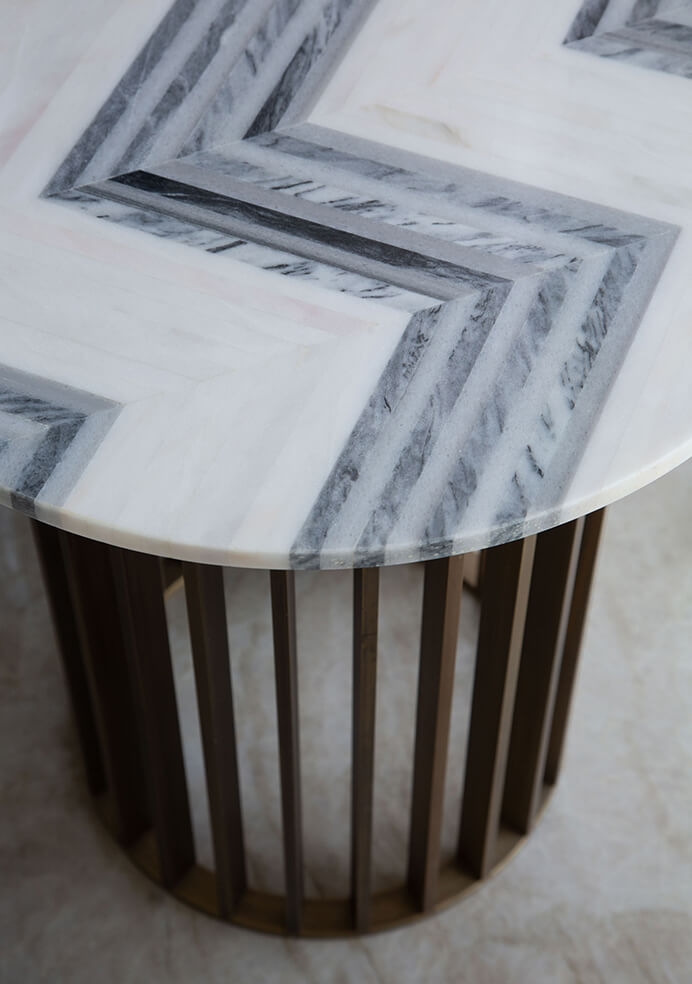
  • Natural Stone Interior Feature Surfaces: Translucent marble, onyx, and quartzite slabs matched for veining, water-jet cut to structural tolerances, and backlit with uniform LED light sheets for reception feature walls and lobby focal points.

Combining these three materials into a single large-scale installation requires precise matching of thermal expansion coefficients (CTE). Metal contracts and expands at different rates than natural marble or rigid acrylic under ambient temperature fluctuations. VISO designs flexible isolation gaskets, floating clip retainers, and spring-tensioned mounting hardware that accommodate material movement without cracking translucent stone panels or stressing glass fixtures.

4. Global Procurement & Product Future Development Trends (2025–2035)

As architectural trends shift toward experiential design and sustainable construction, global procurement heads must anticipate future technological and operational developments in large-scale lighting installations:

Trend 1: AI-Driven Dynamic Lighting & Circadian Tuning

Static lighting is rapidly being replaced by dynamic, AI-managed color-tuning systems. Tomorrow’s hotel lobbies and commercial atriums adjust color temperature (from 2200K warm candle light to 6500K daylight) and light intensity based on outdoor weather feeds, solar elevation, and real-time occupancy data. Large-scale lighting installations are now specified with multi-channel tunable white and RGBW micro-diodes linked directly to building management systems via DALI-2 and BACnet protocols.

Trend 2: Circular Engineering & Modular Maintenance Architecture

Sustainability directives (LEED v4.1, BREEAM, and WELL Building Standard) require large-scale installations to embrace circular economic principles. Disposable fixture designs are obsolete. Future procurement mandates specify 100% modular assemblies where LED light engines, optical lenses, and wiring harnesses can be unclipped and swapped on-site without dismantling structural metalwork or glass frames. Furthermore, localized refurbishment capability—such as VISO’s European studio in Lisbon and Middle Eastern studio in Riyadh—minimizes carbon footprints associated with global shipping during maintenance lifecycle events.

Trend 3: Acoustic-Illumination Convergence

With high-ceiling commercial spaces featuring polished stone floors and expansive glass facades, acoustic reverberation poses a major spatial design challenge. Modern lighting installations are evolving into hybrid acoustic-lighting structures. By integrating micro-perforated architectural metal screens, sound-absorbing acoustic felts, and light-transmitting polycarbonate baffles directly into ceiling light features, VISO creates dual-purpose installations that solve spatial acoustics while delivering breathtaking visual impact.

Trend 4: Direct OEM/ODM Partnering & Single-Source Accountability

Procurement managers are aggressively abandoning multi-vendor assembly models where glass comes from one supplier, metal housing from another, and electrical assembly is performed on-site by electrical contractors. The industry is rapidly consolidating toward single-source OEM/ODM design-engineering partners. Having one single contract holder accountable for design intent, structural safety, shop drawings, mock-up sign-off, factory testing, and white-glove site delivery cuts project management overhead by up to 35% and completely eliminates site-level fitment disputes.

5. Recommended Product & Project Solutions Showcase

To demonstrate the practical application of our DFM process, review the following representative bespoke solutions engineered and manufactured across VISO’s global studio network:
Proven Engineering Portfolio

Monumental Installations Executed Worldwide

Explore how VISO translates ambitious design concepts into structural, luminous reality for award-winning interiors.

Custom monumental lighting canopy installation manufactured by VISO

Bespoke Atrium Chandeliers

Multi-tiered suspended light sculptures engineered with FEA structural tethers, hand-blown glass, and remotized driver enclosures for grand hospitality lobbies.

Architectural metal and polycarbonate art feature by VISO

Illuminated Metal Screens

Laser-cut perforated metal screens and polycarbonate art features with integrated edge-lit LED optics, serving as acoustic and visual partitions.

Natural stone interior feature surface backlit by VISO

Backlit Natural Stone Walls

Slab-matched translucent marble and quartzite feature walls, precision-milled and illuminated with uniform low-profile LED light engines.

Case Studies in Precision

Engineering Excellence in High-Profile Projects

Amelia Gene floating crystal installation under mirrored canopy by VISO

Amelia Gene — Floating Crystal Canopy

Suspended beneath a high-gloss mirrored ceiling structure, hundreds of individual hand-cut glass crystals create an infinite volume of light. Engineered for zero ceiling sway and rapid electrical servicing.

Memphis, TN — Johnson Studio at Cooper Carry

Aston Martin Q New York flagship store custom illumination feature by VISO

Aston Martin Q — Luxury Retail Lighting

Engineered for high color rendering (CRI 98+) to showcase automotive finishes, this massive custom light feature integrates architectural metal framing with seamless linear light channels.

New York, NY — Lighting Workshop Collaboration

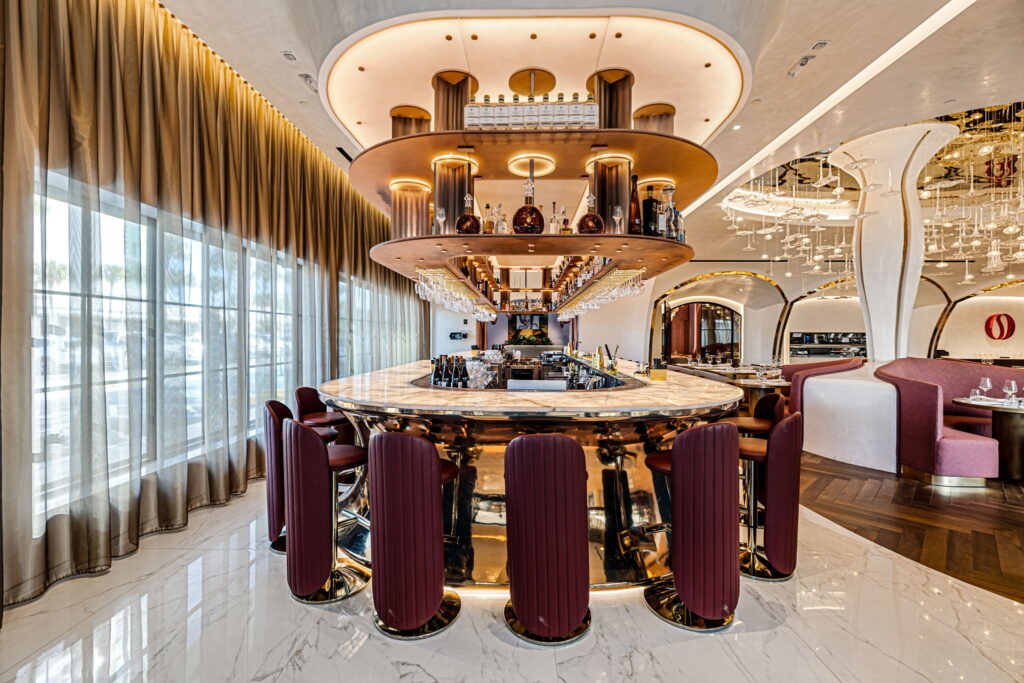
Daphne restaurant custom lighting sculpture by VISO

Daphne — Sculptural Interior Illumination

Complex geometry featuring custom hand-finished brass housings and soft-diffused light tubes. Designed to enhance intimacy while filling a large architectural room volume.

Toronto, ON — Studio Paolo Ferrari

Proven Execution Framework

The VISO 6-Stage DFM Workflow for Procurement Certainty

From initial reflected ceiling plan (RCP) review to on-site commissioning, our transparent process guarantees engineering compliance, budgetary alignment, and scheduled delivery.

  1. STAGE 01

    Design Intent & RCP Audit

    We analyze architectural renderings, reflected ceiling plans, structural drawings, and lumen expectations to establish clear feasibility parameters.

  2. STAGE 02

    DFM & Structural FEA Modeling

    Detailed shop drawings, 3D CAD modeling, FEA stress calculations, and electrical schematics prepared for architect and engineer-of-record sign-off.

  3. STAGE 03

    1:1 Scale Mock-ups & Testing

    Physical subassembly prototypes, metal finish samples, and photometric integration testing to verify color temperature, dimming curves, and visual impact.

  4. STAGE 04

    Multi-Material Fabrication

    In-house CNC machining, metal patination, glass casting, and natural stone processing operating under strict ISO quality control protocols.

  5. STAGE 05

    Factory Acceptance Testing (FAT)

    Complete pre-assembly, electrical dielectric high-pot testing, 24-hour continuous load testing, and photographic documentation prior to custom crating.

  6. STAGE 06

    Global Delivery & Site Support

    Export documentation, Sequenced logistics delivery, installation manuals, and white-glove technical field support for local electrical installation crews.

Enterprise Strengths

Why Leading Global Specifiers Partner with VISO

We provide the technical accountability of a structural engineering firm paired with the artistry of an elite custom fabrication studio.

5 International Studios

Operating in Toronto, Miami, Lisbon, Riyadh, and Dubai, providing local project management, rapid sample delivery, and seamless cross-border logistics.

Single-Source Manufacturing

Unifying decorative lighting, architectural metalwork, and natural stone under one roof eliminates multi-vendor coordination conflicts and budget inflation.

Engineered Code Compliance

All products are certified to UL, CSA, CE, SASO, and ETL standards with complete technical submittal packages for smooth building inspections.

White-Glove Site Coordination

Sequenced crate packing, step-by-step modular installation guides, and dedicated technical field support ensure flawless site assembly.

B2B Procurement & Engineering FAQs

Frequently Asked Questions by Architects, Engineers & Buyers

Answers to key technical and logistical queries when specifying custom large-scale lighting installations.

How do project managers calculate realistic lead times for large-scale lighting installations?
Lead times for monumental custom lighting features generally span 14 to 22 weeks depending on material sourcing (e.g., custom cast glass or specialty marble) and approval cycles. Stage 1 DFM Engineering & Shop Drawings takes 2–3 weeks. Stage 2 Mock-ups & Material Approvals takes 3–4 weeks. Stage 3 Fabrication takes 8–12 weeks. Stage 4 Factory Acceptance Testing (FAT) and Global Freight takes 2–3 weeks. Engaging VISO early in the schematic design phase allows structural backing and electrical rough-ins to be coordinated early, reducing total critical-path lead time.
What structural and seismic engineering considerations are required for heavy atrium ceiling fixtures?
Large fixtures suspended over public spaces require full Finite Element Analysis (FEA) to account for static dead weight, dynamic air movement loads, and seismic accelerations (Seismic Design Categories D through F). VISO provides structural calculation submittal packages detailing junction plate load transfer, primary structure connection points, and secondary safety aircraft cables rated with a minimum 5:1 engineering safety factor.
How does VISO handle international electrical safety compliance across US, European, and Middle Eastern markets?
All VISO installations are engineered and pre-tested to pass region-specific electrical standards. We build to UL 1598 / CSA C22.2 for North America, CE / IEC 60598 for Europe, and SASO / G-Mark standards for Saudi Arabia and the UAE. In-house testing includes high-voltage dielectric withstand, ground continuity checks, thermal profiling under continuous 100% load, and wet/dry IP rating verification.
Can custom large-scale lighting installations be seamlessly integrated with building automation systems (BAS)?
Yes. Modern custom lighting features are engineered with universal digital control interfaces supporting DALI-2, DMX512-A, RDM, 0-10V, and Bluetooth Mesh protocols. VISO works closely with lighting consultants to design centralized remote driver enclosures located in accessible electrical rooms, allowing seamless scene programming, automated circadian scheduling, and integration with Lutron, Crestron, or KNX building automation systems.
What are the maintenance best practices for servicing fixtures hung at extreme ceiling heights (30+ feet)?
Long-term serviceability is engineered into the fixture during the DFM phase. Key strategies include: 1) Integrating UL-listed motorized winch systems that automatically disconnect electrical contact and lower the entire fixture to floor level for safe maintenance; 2) Locating LED drivers remotely in accessible floor-level control panels; and 3) Utilizing quick-connect IP-rated wiring harnesses and modular LED trays for fast replacement without specialized tooling.
How does hybrid material integration (combining natural stone, brass screens, and LED optics) affect thermal and structural stability?
Combining materials with differing Coefficients of Thermal Expansion (CTE) requires specialized mechanical detailing. VISO utilizes engineered floating mount clips, silicone dampening isolation gaskets, and dedicated high-purity aluminum heat-sink extrusions. This ensures LED thermal dissipation is isolated from natural stone or acrylic, preventing heat-induced marble cracking, adhesive degradation, or resin discoloration over time.
Why is single-source DFM manufacturing superior to assembling multi-vendor components on site?
Single-source manufacturing under VISO consolidates structural engineering, shop drawings, metal finishing, glass casting, electrical wiring, and Factory Acceptance Testing under a single point of accountability. This eliminates the risk of field fitment mismatches between separate vendors, mismatched patinas, fragmented warranties, and costly jobsite delays.

Collaborate With Our Engineering Team

Ready to Engineer Your Large-Scale Lighting Installation?

Submit your schematic drawings, reflected ceiling plans, or design concepts. Our design-engineering team in Toronto, Miami, Lisbon, Riyadh, or Dubai will perform a comprehensive DFM audit, structural evaluation, and cost estimate.