Architectural Aluminum & Custom Feature Solutions
Explore our engineered architectural panel systems and integrated luxury illumination fixtures. Specifiers choose our certified factory solutions for exceptional tensile strength, fire performance, and flawless aesthetic fidelity.
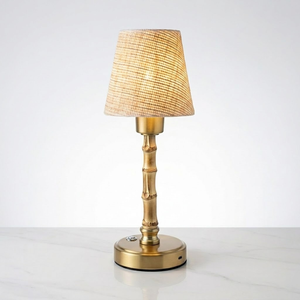
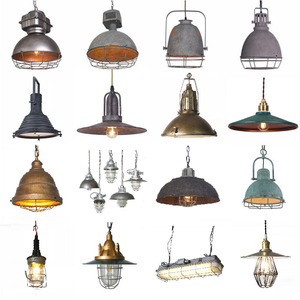
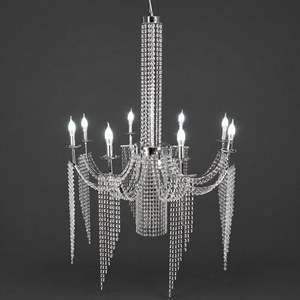
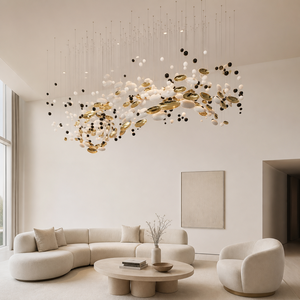
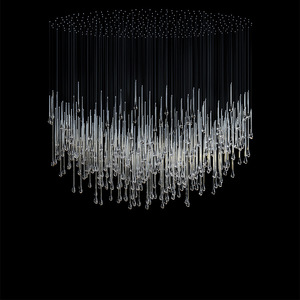
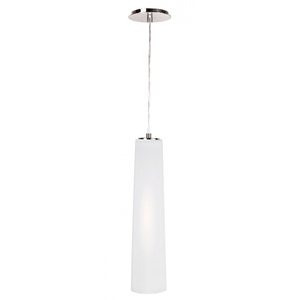
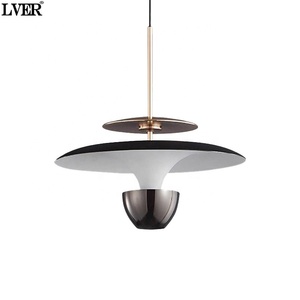
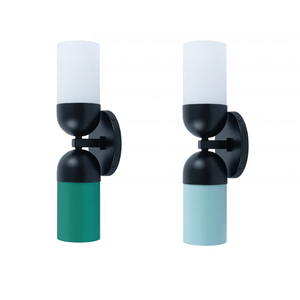
Integrated Design-Engineering & Direct Factory Fabrication
As a global leader in custom architectural metal features, decorative aluminum panels, backlit stone, and bespoke lighting, we bridge the gap between creative design vision and physical engineering reality.
Single-Point Accountability
By unifying design engineering, 3D laser profiling, structural CNC bending, surface finishing, and quality testing under one facility umbrella, we eliminate supply chain fragmentation and ensure 100% dimensional precision.
Advanced Material Sciences
We specialize in architectural grade alloys including 3003-H14, 5052-H32, and 6063-T6. Coupled with FEVE fluoropolymer coatings and anodization, our aluminum panels deliver superior corrosion resistance in high-salinity coastal zones.
Global Footprint & Project Delivery
With studios and engineering coordinators in Toronto, Miami, Lisbon, Riyadh, and Dubai, we streamline export documentation, project-sequenced crating, and site installation support across North America, Europe, and the Middle East.
Engineering Whitepaper: Architectural Aluminum Panel Performance Matrix
Specifying architectural aluminum panels requires balancing load-bearing capacity, wind pressure resilience, deflection limits, and long-term surface color fastness. The structural integrity of an aluminum facade is fundamentally governed by the choice of alloy temperament and chemical composition.
| Alloy & Temper | Tensile Strength (MPa) | Yield Strength (MPa) | Corrosion Resistance | Primary Architectural Applications |
|---|---|---|---|---|
| AA3003-H14 | 140 – 180 | 115 – 150 | High (General Exterior) | Solid Aluminum Cladding, Interior Screen Partitions, Suspended Ceiling Systems |
| AA5052-H32 | 210 – 260 | 160 – 200 | Superior (Marine/Coastal) | High-Rise Exterior Curtain Walls, Coastal Facades, Perforated Acoustic Panels |
| AA6063-T6 | 205 – 245 | 170 – 210 | Very High | Extruded Structural Frames, Custom Light Troughs, Parametric Architectural Louvers |
Surface protection is paramount. Standard architectural specifications call for PVDF (Polyvinylidene Fluoride) 70% Kynar 500 coating systems or Advanced FEVE (Fluoroethylene Vinyl Ether) resin coatings. PVDF coatings excel in UV radiation resistance, preventing chalking and fading in harsh equatorial climates, maintaining gloss retention over a 30-year operational lifecycle.
Future Procurement Trends in Architectural Aluminum Panels (2026–2030)
As the global building sector aligns with stringent Scope 1, 2, and 3 decarbonization mandates, architectural procurement strategies are undergoing a fundamental transformation. Procurement directors must anticipate three major structural shifts over the coming decade:
1. Mandatory Low-Carbon & Recycled Aluminum Sourcing
Leading global hotel operators and commercial developers now demand Environmental Product Declarations (EPDs) verified by ISO 14025. Sourcing primary aluminum refined via renewable hydroelectric power cuts embodied carbon from 18 kg CO2e/kg down to less than 4.0 kg CO2e/kg. Panels manufactured from >75% post-consumer recycled aluminum are becoming mandatory to achieve LEED v4.1 Platinum certification.
2. Smart BIPV & Integrated Media Facade Panels
Static metal cladding is giving way to dynamic, energy-generating surfaces. The integration of solid aluminum panels with Building-Integrated Photovoltaics (BIPV) and low-voltage embedded LED conduits allows exterior envelopes to act simultaneously as thermal barriers, aesthetic statements, and micro-power plants.
3. Parametric DFM & Digital Twin Supply Chains
The adoption of BIM Level 3 Revit modeling requires manufacturers to supply native parametric BIM families with embedded lifecycle cost and stress analysis data. Procurement teams now prefer factories capable of direct digital-to-fabrication (D2F) automated CNC production, reducing lead-time variance from weeks to days.
Product Development & Technological Evolution in Metal Panels
Innovations in metal fabrication are unlocking unprecedented visual and structural capabilities for architects and lighting designers:
Micro-Perforated Acoustic Panels
By applying high-speed laser micro-perforations (holes under 0.8mm) combined with non-woven acoustic hydrophobic backing, aluminum panels achieve Noise Reduction Coefficients (NRC) exceeding 0.85 without sacrificing monolithic visual beauty.
Hyper-Durable Nanotech Surface Coatings
Self-cleaning coatings utilizing hydrophobic TiO2 nanoparticles use sunlight to break down organic contaminants. Rainwater then washes dirt away naturally, drastically lowering high-rise maintenance and facade cleaning expenses.
Prefabricated Unitized Panel Systems
To offset rising site labor costs, factories are transitioning from simple flat sheets to pre-assembled, unitized panels containing integrated bracketry, thermal breaking insulation, and pre-wired linear architectural illumination modules.
From Design Concept to Site Installation
Our standardized 6-stage engineering framework guarantees that your architectural metal cladding or illumination package fulfills every aesthetic, structural, and acoustic objective.
Design Intent Interrogation
We review architectural drawings, CAD/Revit models, and reflected ceiling plans to establish exact dimensional boundaries, structural attachment points, and lighting performance requirements.
DFM & Structural Engineering
Our engineering team performs wind load calculations, deflection modeling, and joint detail design to produce comprehensive shop drawings for sign-off.
Physical Prototyping
Full-scale mockups and finish color chips are prepared for client evaluation, verifying gloss level, light diffusion, and structural connection aesthetics prior to mass fabrication.
Precision Fabrication
High-precision CNC fiber lasers, multi-axis press brakes, and automated welding lines fabricate panels within tight ±0.5mm tolerances.
Coating & Quality Control
Panels undergo multi-stage chemical pretreatment followed by PVDF coating or anodizing. Every panel passes thickness, gloss, cross-hatch adhesion, and color differential testing.
Sequenced Delivery & Site Support
Panels are custom-crated in project installation sequence, complete with detailed installation maps and export documentation to accelerate site execution.
Frequently Asked Procurement Questions
Clear answers to crucial technical questions regarding panel specifications, lead times, fire ratings, and global factory capabilities.
Transform Your Architectural Vision Into Precision Metal Reality
Partner directly with our global engineering team. Send us your architectural drawings, tender specifications, or concept sketches for a comprehensive Design-For-Manufacturability (DFM) review and competitive price quotation.