Featured Ceiling & Commercial Decorative Lighting
Engineered for luxury hospitality, high-end residential, and large-scale commercial developments. Manufactured to international safety standards with full customization capabilities.
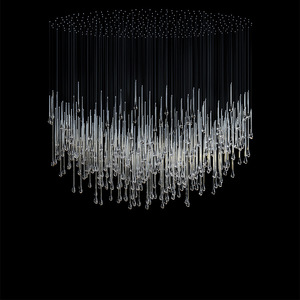
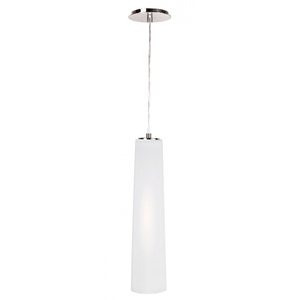
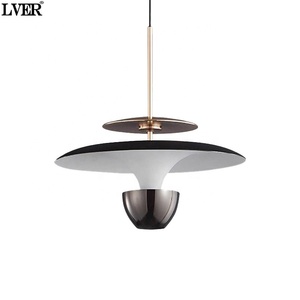
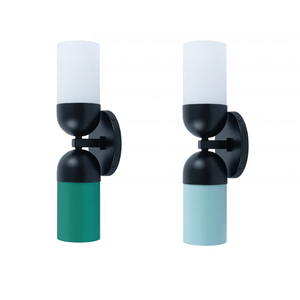
Enterprise Engineering Capabilities: Why Leading Specifiers Partner With Us
As a leading China ceiling lights manufacturer and global exporter, our operational philosophy centers on bridging the gap between visionary interior architecture and flawless physical execution. Far beyond conventional OEM manufacturing, we function as an integrated design-engineering partner for interior designers, architects, lighting specifiers, and hospitality procurement groups worldwide.
Our global footprint—anchored by specialized design studios in Toronto, Miami, Lisbon, Riyadh, and Dubai—allows us to provide localized technical support while harnessing the massive precision-manufacturing, material sourcing, and scale efficiencies of China's premier industrial ecosystem.
Integrated In-House Disciplines
A primary failure point in commercial ceiling light procurement is fragmented manufacturing. When metal fabrication, glass casting, electrical wiring, and finishing are outsourced to separate vendors, quality control degrades, tolerances drift, and project timelines collapse. We resolve this by hosting multi-material production under a unified quality management system:
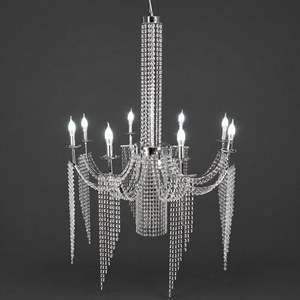
- Bespoke Decorative Ceiling Lighting: From multi-tiered crystal chandeliers in grand hotel lobbies to large-scale modular acoustic ceiling grids with integrated linear LED optics, our engineering team handles structural load calculations, thermal dissipation modeling, and driver housing design.
- Architectural Metal & Polycarbonate Panels: Precision laser cutting, CNC bending, physical vapor deposition (PVD) plating, and custom patination for decorative screens, ceiling canopies, and sculpted metal light troughs.
- Natural Stone & Translucent Interiors: Precision CNC slab-matching, backlighting calibration, and resin-stabilized natural onyx, quartzite, and alabaster ceiling diffusors designed to yield warm, glare-free ambient illumination.
Design-for-Manufacture (DFM) & Rigorous Quality Assurance
Every concept provided by our clients—whether a raw napkin sketch, a detailed 3D rendering, or a complex Reflected Ceiling Plan (RCP)—undergoes a thorough Design-for-Manufacture (DFM) evaluation. Our technical engineers generate comprehensive CAD shop drawings, verifying mounting points, junction box compatibility, seismic bracing, and maintenance accessibility before a single piece of metal is cut.
Physical prototypes and full-scale mock-ups are routinely produced to test color temperature consistency (SDCM < 3), Unified Glare Rating (UGR < 19), and mechanical integrity. This end-to-end control ensures that specifiers receive fixtures that install seamlessly on site, meet stringent UL, ETL, CE, and RoHS standards, and deliver operational longevity in high-traffic commercial environments.
Architectural Ceiling Lighting Matrix: Product Selection & Performance
Navigating the selection of ceiling light fixtures for international commercial projects requires evaluating photometric efficiency, aesthetic alignment, mechanical durability, and electrical compatibility. Below is an engineering overview of key categories supplied to global contractors and hospitality brands:
| Category Type | Core Materials & Finishes | Photometric Performance | Ideal Architectural Application |
|---|---|---|---|
| Bespoke Glass/Crystal Canopies | Hand-blown Borosilicate Glass, K9 Crystal, PVD Brass/Gold Structural Frames | 100–120 lm/W, CRI > 95, Phase/DALI Dimming, Warm White 2700K–3000K | Hotel Lobbies, Luxury Atriums, Staircase Voids, Fine Dining Salons |
| Surface-Mounted Architectural Flush Mounts | Die-Cast Aluminum, Optical Acrylic, Anodized/Powder-Coated Matte Textures | 110–130 lm/W, UGR < 16, Micro-Prismatic Glare Control Diffusers | Hospitality Guest Rooms, Corridors, Residential Amenity Spaces |
| Adjustable Drop Pendant & Linear Systems | Extruded Aircraft-Grade Aluminum, Woven Metallic Cable, PC Diffusers | 120–140 lm/W, Tunable White (2700K–6500K), Zigbee 3.0 / DALI-2 D4i | Conference Rooms, Restaurant Dining Tables, Executive Boardrooms |
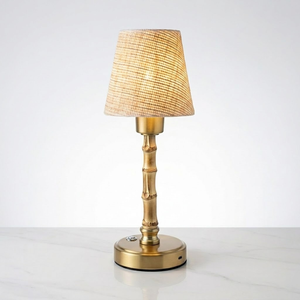
| Rechargeable Cordless Accent Lighting | Natural Bamboo, Electroplated Zinc Alloy, IP65 Sealed LED Modules | Li-ion 5200mAh, 12–20hr Runtime, Touch/RF Smart Wireless Dimming | Outdoor Dining Terraces, Wedding Venues, Bistro & Bar Countertops |
By offering complete material customization across these categories, our manufacturing line satisfies the rigorous specifications of global hotel chains including Marriott Residence Inn, Hilton Home2 Suites, and boutique luxury operators across North America, Europe, and the GCC region.
Future Procurement Trends in China’s Lighting Supply Chain
Critical shifts shaping B2B sourcing, OEM/ODM relationships, environmental compliance, and smart building integration over the next decade (2025–2030).
1. Deep ESG Compliance & Low-Carbon Manufacturing
Global developers are enforcing strict Scope 1, 2, and 3 carbon accounting. Sourcing ceiling lights from China now demands suppliers maintain recycled aluminum supply chains, RoHS-compliant lead-free soldering, eco-friendly PVD plating over hazardous electroplating, and plastic-free recyclable export packaging. Manufacturers prioritizing sustainable material lifecycles gain a distinct procurement edge.
2. Shift from Off-the-Shelf to Full DFM Co-Engineering
Catalog purchasing is rapidly diminishing for mid-to-high-tier commercial developments. Buyers require "Agile DFM"—the ability for a factory to analyze 3D models, identify weight/cost inefficiencies within 48 hours, issue photometrically accurate IES files, and fabricate physical mock-ups within 10 to 14 business days. Factories operating as engineering extensions are replacing pure commodity vendors.
3. Smart Ecosystems & DALI-2 / D4i Integration
The convergence of architectural ceiling lighting and smart building management systems (BMS) is mandatory. B2B importers are specifying driver enclosures capable of seamless integration with DALI-2, Casambi, Bluetooth Mesh, and Zigbee protocol networks. Integrated sensor technology (occupancy sensing, daylight harvesting, energy monitoring) within decorative fixtures is becoming a baseline procurement requirement.
4. Supply Chain Transparency & Regional Hub Support
International buyers seek to mitigate geopolitical risks and freight bottlenecks. The winning supply chain model combines central high-volume manufacturing in China with regional technical studios (such as our offices in Toronto, Miami, Lisbon, Riyadh, and Dubai) capable of managing local code compliance, site installation supervision, and warranty support.
Product Design Evolution: Technical & Aesthetic Trajectories
The ceiling light fixture is no longer viewed as a standalone decorative accessory; it is an active architectural element influencing human wellness, space perception, and acoustic comfort. Modern product development reflects several technical breakthroughs:
Human-Centric Lighting (HCL) & Dynamic Spectrum Tuning
Advances in multi-channel LED COB chips allow ceiling fixtures to mimic natural solar spectra. By smoothly transitioning from high-CRI 6500K daylight at noon to warm 2200K dim-to-warm light at sunset, commercial spaces support circadian rhythm alignment. Our custom ceiling light designs incorporate dual-channel drivers calibrated for flicker-free dimming down to 0.1%.
Acoustic & Architectural Multi-Material Fusion
With open-ceiling concepts dominating office, hospitality, and dining environments, noise pollution has become a major architectural challenge. Next-generation ceiling pendants integrate high-density sound-absorbing felt, micro-perforated acoustic metal backing, and light-transmitting polycarbonate screens. This multi-sensory design approach reduces sound reverberation while supplying high-efficiency ambient illumination.
Ultra-Slim Optics & Invisible Light Sources
Miniaturization of optical lenses allows ceiling fixtures to deliver powerful light output from ultra-narrow profiles. Micro-reflectors and dark-light optical architecture shield the light source from direct view, eliminating visual clutter and achieving low glare (UGR < 13) without compromising light distribution.
Frequently Asked Questions for Global Procurement
Detailed technical answers to common questions raised by architects, purchasing agents, and electrical contractors.
What international electrical safety certifications do your ceiling lights carry?
Our ceiling light fixtures are engineered to comply with destination-specific electrical codes. For North America, we supply fixtures with UL, cUL, and ETL testing certifications. For Europe, the Middle East, and Asia-Pacific, our products carry CE, RoHS, CB, and PSE certifications. We utilize certified brand-name LED drivers (Mean Well, Tridonic, Lifud, Philips) that adhere to international electromagnetic compatibility (EMC) and low-voltage directives (LVD).
How do you handle custom ceiling light manufacturing from concept to final delivery?
Our process follows six strict engineering phases: (1) Concept & RCP Review, where we analyze site mounting constraints, power supply locations, and design intent; (2) Design-for-Manufacture (DFM) Engineering, generating detailed CAD shop drawings; (3) Prototyping & Finish Sample Approval; (4) Precision Fabrication, incorporating CNC machining, metal spinning, plating, and hand assembly; (5) Multi-stage Quality Control, including 24-hour high-voltage burn-in testing and photometric verification; and (6) Sequenced Export Crating and Freight Logistics with site installation guidance.
What Minimum Order Quantities (MOQs) apply for bespoke commercial projects?
Because we specialize in project-based architectural manufacturing, our MOQs are flexible. For fully custom feature lighting (such as large lobby chandeliers or custom ceiling canopies), the MOQ is typically 1 unit. For standard guestroom or corridor ceiling lights, MOQs generally range from 30 to 50 units to optimize production tooling and shipping costs. Contact our team with your bill of quantities (BOQ) for tailored pricing.
Can your engineering team adapt custom ceiling fixtures to fit structural ceiling limitations?
Yes. Weight distribution, ceiling sub-frame bracing, seismic tethering, and driver accessibility are core engineering considerations. We design custom mounting plates, quick-connect harness systems, and remote driver enclosures to ensure fixtures can be safely installed on concrete slabs, drywall ceilings, or drop-grid ceiling systems without structural compromise.
How do you ensure metal finish consistency across multi-component orders?
Finish variation is a major risk in commercial lighting. We maintain strictly controlled in-house finishing processes—including automated PVD vacuum plating, electroplating, and powder coating lines. Spectrophotometers and physical master finish chips are used to verify color tolerances (Delta-E < 1.0) across all brass, bronze, chrome, matte black, and custom patinated components prior to assembly.
What are your standard manufacturing lead times for international project orders?
Standard production lead time for custom ceiling lighting is 4 to 6 weeks following CAD shop drawing and finish sample sign-off. For complex, large-scale custom installations or initial rapid prototyping, expedited production schedules (2 to 3 weeks) can be accommodated depending on raw material availability and engineering scope.
How are glass and fragile components protected during international sea/air transport?
All export shipments undergo rigorous drop-test packaging engineering. Glass elements and delicate metal structures are individually encased in custom-molded high-density EVA foam and packed inside reinforced double-wall corrugated cartons, which are then secured in ISPM-15 compliant fumigated wooden crates or plywood boxes with shock-indicator labels.
Ready to Specify Your Project?
Connect with our global design-engineering team today. Submit your drawings, reflected ceiling plans (RCP), or project specifications to receive technical DFM feedback, photometric calculations, and a competitive factory-direct quote.