Precision Carved Surface Fabrication & Integrated Architectural Feature Engineering
Navigating technical specifications, material performance benchmarks, and supply chain logistics for custom carved decorative panels, architectural screens, and illuminated spatial features originating from China's premier engineering hubs.
In modern architectural design and high-end commercial interior engineering, carved decorative panels have evolved from simple surface treatments into critical, highly complex spatial and acoustic components. Sourcing these bespoke elements requires an intimate understanding of raw material physics, computer-numerical-control (CNC) machining tolerances, surface patination processes, and the seamless integration of solid-state lighting assemblies. As a leading manufacturer and direct global exporter based in China, our facilities bridge the structural engineering gap between raw conceptual sketches and certified, site-ready installations across hospitality, luxury retail, corporate headquarters, and high-density residential developments.
Whether specifying multi-axis stone bas-reliefs, laser-carved decorative metal screens, high-translucency carved acrylic/polycarbonate dividers, or acoustic timber wall installations, global procurement directors demand rigorous adherence to international building standards—including ASTM E84 Class A fire ratings, structural deflection minimums, ISO 9001 quality compliance, and volatile organic compound (VOC) emission caps under LEED v4.1 certifications. This white paper outlines the precise material paradigms, future procurement shifts, and key engineering metrics required when specifying custom carved panels and integrated lighting features from elite OEM/ODM suppliers in China.
Featured Carved Panel & Architectural Lighting Solutions
Explore our top-tier catalog of commercial-grade fixtures and spatial features, engineered to complement custom architectural carved panel installations in luxury hospitality and commercial environments.
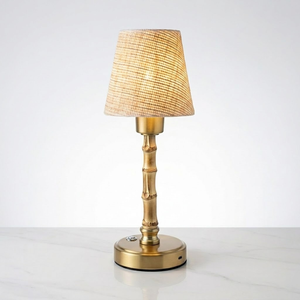
Rechargeable Hospitality Lighting Cordless LED Vintage Bamboo Design Luxury Table Lamp
• Touch-dimmable lithium battery module
• Tailored for hotel guestrooms & VIP suites
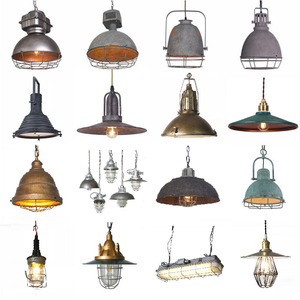
Vintage Industrial Pendant Light E27 Hanging Ceiling Lamp Retro Loft Lighting Fixture
• Anti-corrosion patinated bronze finish
• Suitable for commercial bar & lounge zones
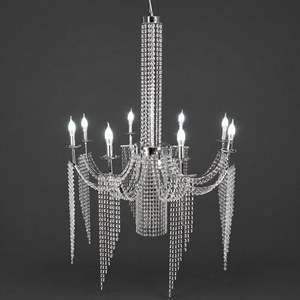
Modern Rectangle Glass Metal 8-Light Pendant Lamp Chrome/Gold Finish
• Custom optical glass refraction optics
• Ideal for executive conference & dining
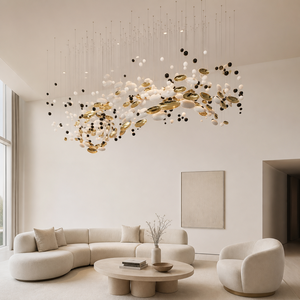
Modern Style Indoor Hotel Lobby Villa Staircase Custom Glass LED Chandelier
• Parametric CAD weight calculation
• High-lumen output for multi-story voids
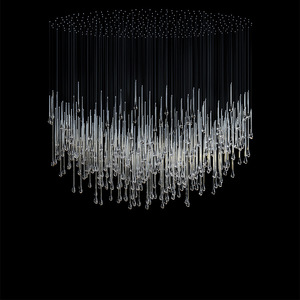
Customized Creative Long LED Pendant Light with Adjustable Suspension Height
• Integrated driver with 0-10V dimming
• Engineered for banquet halls & lobbies
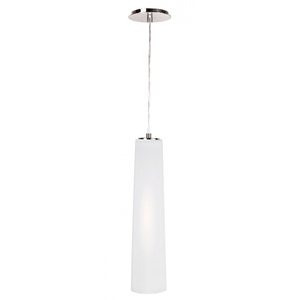
Marriott Residence Inn Possibilities Hotel Guestroom Ceiling Fixture
• Acoustic shade diffuser option
• High CRI (90+) LED illumination
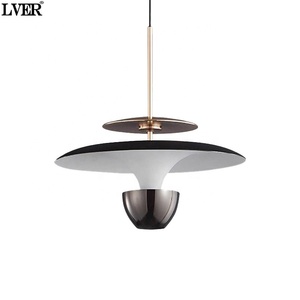
Modern Minimalist High Efficiency Adjustable Height LED Spotlight System
• Low glare UGR < 16 optic design
• Optimized for luxury dining atmospheres
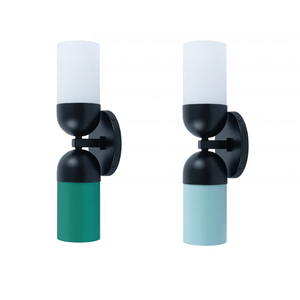
Home2 Dynamic Hospitality Two-Light Cylinder Acrylic Wall Sconce Fixture
• Dual-emission warm white light engine
• Contract hospitality durability certified
Why Leading Design Studios Partner with Our Factory
Combining North American design-engineering precision with China's world-class advanced manufacturing ecosystem to deliver complex, large-scale spatial installations.
In-House Design-for-Manufacture (DFM)
Our engineering division converts early architectural concept sketches into fully detailed BIM/CAD shop drawings. We analyze structural loads, wind pressures, panel expansion joints, and mounting bracket physics prior to raw material cutting, eliminating risk on job sites.
Multi-Disciplinary Material Integration
Unlike single-material machine shops, our production floor natively processes natural stone (marble, onyx, granite), non-ferrous metals (brass, bronze, architectural aluminum), optical-grade polycarbonate, and engineered timber under one unified quality system.
Global Studio Network & Field Support
With localized project coordination hubs in Toronto, Miami, Lisbon, Riyadh, and Dubai, we provide seamless local communication, sample approvals, mock-up sign-offs, customs documentation, and post-delivery installation oversight across 5 continents.
The Engineering Journey: Concept to Installed Feature
3D Parametric CAD
Translating 2D patterns into 3D volumetric surfaces using algorithmic toolpaths.
1:1 Physical Mock-Up
Fabricating physical surface section samples for light diffusion & finish approvals.
5-Axis CNC Milling
High-speed multi-axis carving across stone, bronze, or solid aluminum panels.
Sequenced Export Crating
Custom ISPM-15 wooden crating sorted by floor installation plan for rapid assembly.
Future Procurement Trends for Carved Architectural Panels
Key industry shifts reshaping how global architectural firms, hotel brand specifiers, and general contractors source custom wall panels and metal screens over the next decade.
1. Integration of Dynamic Lighting within Carved Substrates
The historical separation between surface cladding contractors and electrical trade contractors is rapidly dissolving. Future architectural specifications increasingly mandate backlit carved panels where edge-lit LED light-guide plates (LGPs) or low-voltage flexible micro-LED networks are pre-engineered into the panel mounting chassis. Sourcing integrated panel-and-lighting kits from a single supplier reduces site labor costs, guarantees thermal dissipation design, and ensures uniform color temperature across expansive wall installations.
2. Transition to Lightweight Acoustic Composite Substrates
While solid natural stone and thick brass sheets maintain timeless aesthetic appeal, modern structural loads and acoustic performance standards in commercial interiors demand high-strength, low-weight composites. We are seeing massive procurement shifts toward 3D carved PET acoustic felt panels, aluminum honeycomb backed natural stone veneers (5mm stone fused to 15mm honeycomb), and carved high-density polyurethane (HDUP) architectural molds that provide superior NRC (Noise Reduction Coefficient) ratings without burdening structural slabs.
3. Algorithmic and Parametric Geometry Customization
Standard repeated floral or geometric carved patterns are giving way to continuous, non-repeating parametric wall installations. Utilizing Computational Fluid Dynamics (CFD) and parametric CAD algorithms, architectural designers now specify continuous wave patterns that traverse across dozens of individual carved panels. Suppliers must possess advanced multi-axis software suites and automated tool-pathing capabilities to manage panel indexing numbers and zero-tolerance edge matching during continuous production runs.
4. Decarbonization & Circular Material Transparency
International developers now enforce strict Embodied Carbon targets. Sourcing carved panels from China now requires full material traceability—including recycled aluminum content percentages, low-VOC bonding resins, non-toxic patination chemicals, and Environmental Product Declarations (EPDs). Chinese manufacturers that invest in closed-loop water recycling for stone milling and renewable solar energy for metal laser cutting hold a decisive competitive advantage in global B2B tenders.
Manufacturing Evolution: Next-Generation Surface Engineering
An engineering analysis of advanced tooling, surface treatment chemistries, and precision manufacturing methods driving modern carved panel production.
Multi-Axis CNC Milling of Translucent Stone
By pairing high-precision 5-axis CNC diamond tooling with natural translucent minerals—such as Alabaster, Onyx, and Select Quartzite—our factory achieves complex variable-depth bas-relief carving. Variations in panel thickness (ranging from 3mm in relief valleys to 18mm at peaks) modulate light transmission, creating dramatic 3D grayscale imagery when backlit by calibrated 2700K to 4000K tunable-white LED arrays.
PVD Coloration & Fiber Laser Micro-Carving
In metal architectural screens, traditional powder coating is increasingly replaced by Physical Vapor Deposition (PVD) titanium plating combined with high-wattage fiber laser cutting. This allows micro-perforation patterns as small as 0.8mm in stainless steel and brass panels, achieving delicate privacy screening and acoustic diffusion while offering superior scratch resistance and chemical durability against harsh commercial cleaning agents.
Fire-Retardant Polycarbonate & Resin Castings
For high-traffic public corridors and interior atriums, optical-grade resin panels carved with custom textures offer structural shatter-resistance alongside strict fire safety. Our material scientists formulate self-extinguishing thermoset resins compliant with UL94 V-0 and EN 13501-1 B-s1, d0 standards, enabling fluid, organic sculpted forms in environments where traditional glass poses safety risks.
Precision CNC Timber Routering & Micro-Veneering
Engineered timber and medium-density fiberboard (MDF) wall panels undergo high-speed routing using specialized diamond-coated endmills to prevent grain tear-out. Following deep carving, vacuum membrane presses apply real wood veneers (American Walnut, White Oak, Ebony) or metallic foils seamlessly into complex 3D grooves, delivering warm tactile surfaces backed by dimensional stability against humidity fluctuations.
Frequently Asked Questions for B2B Specifiers & Buyers
Direct technical answers addressing engineering, quality control, international logistics, and customization options for Chinese carved architectural panels.