In the rapidly evolving landscape of architectural lighting design, procuring high-performance, compliant, and aesthetically superior luminaires is a pivotal operational decision for commercial developers, hospitality brands, and procurement officers globally. As urban architectural projects push the boundaries of structural creativity, lighting design manufacturers have transitioned from simple assembly suppliers to full-spectrum engineering partners. This enterprise whitepaper analyzes the technical standards, supply chain strategies, and innovation vectors governing the top 10 global lighting design manufacturers and exporters.
1. Recommended Premium Architectural & Hospitality Luminaires
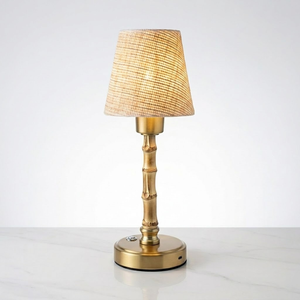
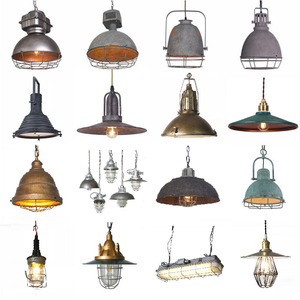
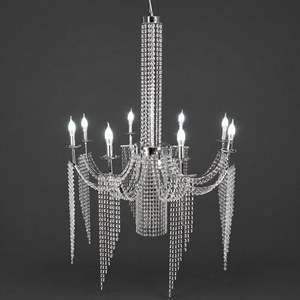
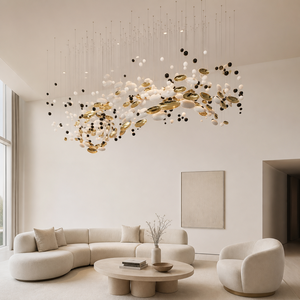
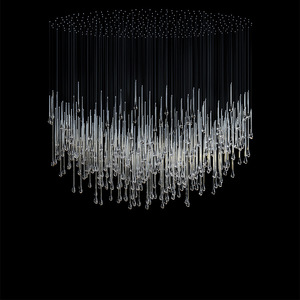
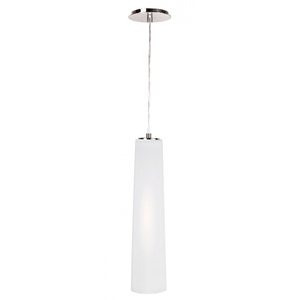
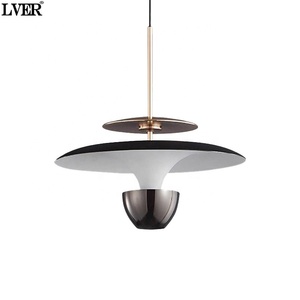
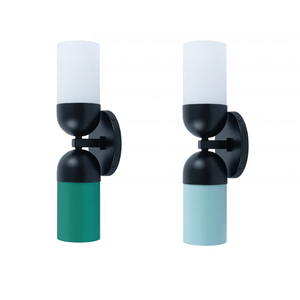
Below is a curated selection of export-grade luminaires custom-engineered for hospitality, commercial, and luxury residential developments. Each product reflects precision manufacturing and strict compliance with global electrical standards.
2. Technical Evaluation Matrix: Benchmarking Export Manufacturers
Selecting a manufacturing partner requires evaluating both technical execution and organizational infrastructure. The matrix below defines the baseline criteria separating tier-1 custom exporters from standard commodity vendors.
| Evaluation Dimension | Standard Vendor Capability | Tier-1 Engineering Manufacturer (e.g. VISO Standards) | Procurement Impact |
|---|---|---|---|
| Engineering Support | Basic CAD redraws | Full Design-for-Manufacture (DFM), FEA structural analysis, shop drawings | Prevents site installation failure & delays |
| Photometric Validation | Estimated lumen output | Lab-tested IES/LDT files, TM-30 spectral analysis, glare index calculations | Guarantees compliance with architectural lighting specs |
| Material Fabrication | Single-material processing | Multi-material integration (Glass, metals, polycarbonate, natural stone) | Unified aesthetics across diverse architectural features |
| Regulatory Compliance | Self-declared compliance | Certified UL, CE, ETL, RoHS factory auditing & serialized tracking | Eliminates customs holds & safety liabilities |
| Global Logistics | Ex-factory (EXW) shipping | End-to-end multi-studio logistics support (Toronto, Miami, Lisbon, Riyadh, Dubai) | Streamlines international freight & site staging |
3. Macro Procurement Trends Shaping Global Lighting Sourcing (2025–2030)
Global procurement directors are operating in a landscape governed by sustainability mandates, supply chain resilience, and smart building integration. To maintain a competitive advantage, specifiers must align sourcing strategies with three primary structural shifts:
1. Direct DC Power & Smart Microgrids
The phase-out of traditional AC mains wiring in commercial real estate is driving demand for DC-powered low-voltage LED networks. Class 2 DC power distribution reduces installation labor, enhances system efficiency, and enables direct integration with building management systems (BMS) via DALI-2, Zigbee 3.0, and Power-over-Ethernet (PoE) architectures.
2. Environmental Material Circularity
ESG requirements now dictate luminaire selection. Enterprise clients demand Environmental Product Declarations (EPDs), embodied carbon tracking, and modular disassembly designs. Leading manufacturers utilize post-consumer recycled aluminum, non-toxic powder coatings, and bio-based resin diffusers that comply with LEED v4.1 and BREEAM certifications.
3. Human-Centric Lighting (HCL)
Circadian-tuned LED engines capable of smooth spectral tuning from 1800K to 6500K with high TM-30 fidelity scores (Rf > 92, Rg > 100) are standard expectations in high-end hospitality and corporate developments. Sourcing must prioritize driver compatibility to ensure flicker-free dimming down to 0.1%.
4. Advanced Product Development Trends in Architectural Luminaires
Manufacturer innovation is heavily concentrated on structural optimization, optical customization, and multi-disciplinary material integration. Rather than treating lighting as isolated fixtures, contemporary interior design integrates luminous elements directly into building fabrics.
Architectural Metal and Polycarbonate Feature Synergy
Contemporary decorative lighting increasingly merges laser-cut architectural metal screens with dynamic polycarbonate panels. This structural hybrid allows large-scale ceiling canopies and lobby features to control spatial acoustics, diffuse direct LED pixelation, and deliver uniform ambient illumination across massive atrium spaces without structural weight penalties.
Backlit Natural Stone & Translucent Surfaces
Precision CNC slab-matching of natural stone—such as marble, onyx, and quartzite—has transformed stone from passive cladding into an active light source. By laminating ultra-thin stone veneers onto structural glass or optical acrylic guide plates, manufacturers generate dramatic illuminated focal walls for luxury hotel lobbies and upscale restaurant interiors.
Cordless & Portable Hospitality Infrastructure
Commercial dining and event venues require rapid spatial reconfiguration. High-density lithium-ion battery integration, coupled with magnetic inductive charging stations, has established cordless table lamps as an essential hospitality category. These units combine heavy-duty IP65 weatherproofing with warm ambient dimming to meet demanding commercial operational cycles.
5. Enterprise Sourcing & Procurement FAQ
Answers to common technical and operational inquiries encountered during international commercial lighting procurement.
Tier-1 manufacturers employ structural engineers to calculate seismic, wind load, and static weight distribution. Complete shop drawings detail ceiling junction plates, safety cables, and electrical load requirements. Fixtures undergo pre-assembly, electrical hipots, and third-party certifications (UL 1598, CE mark) prior to export packaging.
Procurement managers should require: (1) Approved 2D/3D shop drawings with material specifications, (2) Photometric IES files, (3) Driver specification sheets verifying dimming protocol compatibility, (4) Physical material finish samples, and (5) Certification documentation (UL/CE).
Leading manufacturers utilize phased production milestones connected to site schedules. Prototyping typically takes 2–4 weeks, followed by full fabrication (6–10 weeks). Shipping is coordinated via sequenced container staging to match on-site trade installation timelines, preventing site congestion and material damage.
6. Manufacturer Infrastructure & Global Engineering Capabilities
As a global authority in custom architectural lighting, metal art, and stone interior manufacturing, VISO embodies the operational rigor demanded by top-tier architectural firms and global hotel chains. By unifying design engineering, prototyping, metal fabrication, and finishing under one roof, we eliminate intermediate supply chain risks and guarantee total design fidelity.
Integrated Multi-Disciplinary Workshop
Combining custom lighting design with ornamental metalworking, structural polycarbonate framing, and translucent natural stone cutting within unified production hubs in Toronto, Lisbon, and partner facilities worldwide.
Direct Designer Collaboration
Trusted by industry leaders including AvroKO, II BY IV DESIGN, Studio Paolo Ferrari, Nina Magon Studio, and Johnson Studio at Cooper Carry to translate complex, high-concept renderings into buildable, certified reality.
Global Project Delivery Footprint
Dedicated international coordination studios across Toronto, Miami, Lisbon, Riyadh, and Dubai ensure localized code compliance, clear communications, and on-site assembly guidance anywhere in the world.
Initiate Your Commercial Lighting Specification
Consult with our global design-engineering team to review project drawings, evaluate material finishes, or obtain a comprehensive enterprise quotation.