Engineered Architectural Cladding Portfolio
Explore our certified range of OEM exterior facades, interior decorative panels, and thermal composite systems engineered for commercial, hospitality, and residential developments.
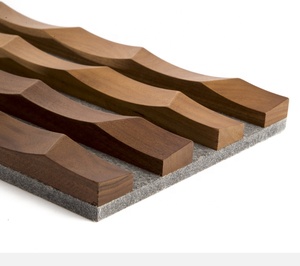
MUMU 3D Wood Panel Wall Decor Interior MDF Composite Wooden Veneer Slat Cladding Wood Acoustic Wall Panel
- Core Material: High-Density MDF & Natural Veneer
- Acoustic Index: NRC 0.85 Sound Absorption
- Application: Interior Hospitality & Residential
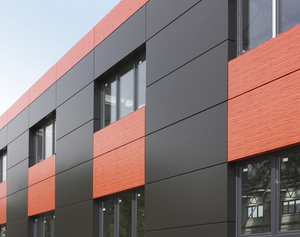
PVDF Coated Fireproof Aluminum Composite Panels 3mm 4mm Waterproof Exterior Wall Cladding ACP/ACM
- Coating: Kynar 500 PVDF Fluorocarbon
- Fire Rating: Class A / B1 Flame Retardant
- Panel Thickness: 3mm, 4mm, 5mm Customized
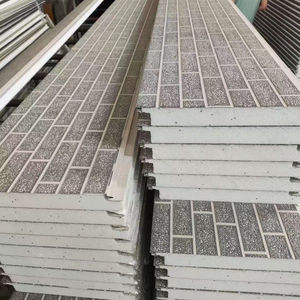
Modern Design Villa Wall Cladding Insulation Panels Fire Resistant Water Resistant Exterior Metal Carved Panel
- Surface Finish: Embossed Metal Alloy Film
- Warranty: 5-Year Weathering Assurance
- Function: Integrated Thermal Insulation
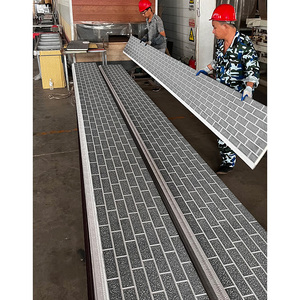
Metal Carved PU Sandwich Panel Siding Panels Exterior Wall Insulated Polyurethane Foam Decorative Panels
- Core Material: High-Density Rigid PU Foam
- Thermal Conductivity: ≤ 0.024 W/(m·K)
- Installation: Interlocking Tongue & Groove
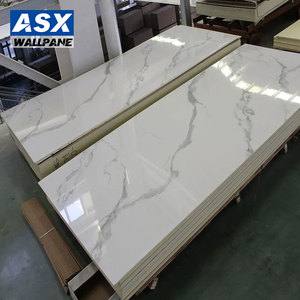
Modern Flexible Wall Panel 1200 X 2400 UV Board PVC Marble Sheet Decorative Waterproof Fireproof Cladding
- Dimensions: 1220mm × 2440mm Large Format
- Surface Coating: High-Gloss UV Cured Topcoat
- Feature: Bendable, Lightweight, Zero Formaldehyde
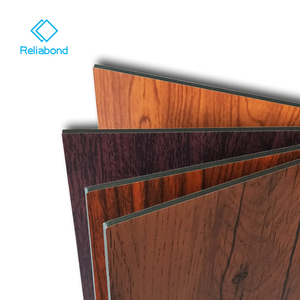
New Design 1220x2440mm Competitive Price Aluminum Composite Panels with Architectural Wooden Grain Finish
- Substrate: Grade 1100 / 3003 Aluminum Alloy
- Design Pattern: High-Definition Thermal Transfer Woodgrain
- Durable Life: 15+ Years Color Retention
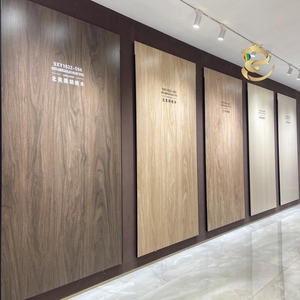
Most Favored Smooth Bamboo Charcoal PVC Wall Panel Decorative Bamboo Fiber Solid Wood Board Waterproof
- Composition: Carbonized Bamboo Fiber & Polymer
- Eco Standard: E0 Grade Low VOC Emission
- Moisture Resistance: 100% Waterproof Structure
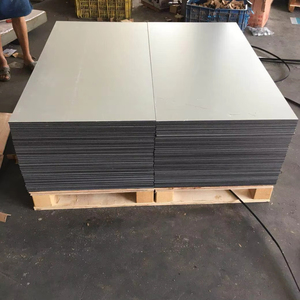
High Quality Aluminum Composite Material Building Facade Alucobond ACM Exterior Wall Cladding Panels PVDF
- Certification: ASTM E84, EN13501-1, ISO9001
- Skin Thickness: 0.30mm - 0.50mm Premium Aluminum
- Flexural Strength: High Structural Wind Resistance
Strategic Technical Industry Report: OEM Wall Cladding Manufacturing Standards
A comprehensive whitepaper guide for tier-1 developers, facade engineers, and procurement managers specifying custom exterior and interior cladding envelope systems.
1. Global Supply Chain Trajectory & Sourcing Optimization (2025–2030)
The global architectural wall cladding market is experiencing a paradigm shift driven by stringent decarbonization targets, evolving building envelope energy codes (such as ASHRAE 90.1 and Title 24), and an increased demand for customized architectural aesthetics. Procurement directors and facade specifiers can no longer rely on off-the-shelf structural elements. The modern architectural landscape mandates continuous original equipment manufacturer (OEM) and original design manufacturer (ODM) partnerships capable of delivering tailored geometry, specialized surface chemistry, and validated physical performance.
Direct-from-factory OEM sourcing eliminates intermediary cost structures while securing absolute traceability of raw materials. Advanced manufacturing ecosystems leverage automated continuous-lamination lines, 5-axis CNC routing equipment, and closed-loop fluorocarbon spray lines to ensure batch-to-batch color consistency (ΔE ≤ 0.8) and structural integrity. Industrial buyers are shifting towards integrated cladding solutions that combine decorative exterior skins, closed-cell polyurethane (PU) insulation cores, and moisture-barrier backings into a single composite unit, drastically reducing on-site installation labor hours by up to 35%.
2. OEM Material Matrix: Technical Performance Parameters
When specifying custom OEM cladding systems, engineering teams must evaluate physical characteristics against project exposure levels, local seismic requirements, and wind-load pressures. The table below outlines core material matrix parameters engineered within our automated manufacturing lines:
| Cladding System Category | Core Density / Thickness | Fire Reaction Rating | Thermal Conductivity (λ) | Primary Application Profile |
|---|---|---|---|---|
| PVDF Aluminum Composite (ACP/ACM) | 3.0mm – 6.0mm / Polyethylene or Mineral Core | Class A / ASTM E84 & EN 13501-1 B-s1,d0 | 0.21 W/(m·K) | High-Rise Commercial Facades & Exterior Curtains |
| Metal Carved PU Sandwich Panels | 16mm – 20mm / Rigid Polyurethane Core | B1 Flame Retardant / Self-Extinguishing | 0.024 W/(m·K) | Pre-Fab Villas, Modular Housing, Thermal Retrofits |
| Flexible UV PVC Marble Sheet | 2.0mm – 3.8mm / High-Density PVC Board | Class B1 Fire Proof / Zero Water Absorption | 0.15 W/(m·K) | Luxury Hospitality Interiors, Elevator Cabins, Wet Areas |
| Acoustic MDF Timber Slat Cladding | 12mm – 21mm / Polyester Fiber Backer | Class B1 / Low Formaldehyde Emission (E0) | NRC 0.85 Acoustical Rating | Auditoriums, Executive Boardrooms, Residential Interiors |
| Bamboo Charcoal Polymer Board | 5.0mm – 8.0mm / Carbonized Bamboo Composite | Waterproof / Termite-Proof / Class B1 | 0.12 W/(m·K) | Sustainable Interior Feature Walls & High-Traffic Spaces |
3. Technical Evolution: Advanced Fluorocarbon Finishes & Sustainable Composites
Material innovation in custom OEM panel production centers on longevity, environmental sustainability, and lifecycle thermal optimization. Modern architectural specs frequently demand three-coat PVDF (Polyvinylidene Fluoride) resin systems containing at least 70% Kynar 500 or Hylar 5000 polymers. These coatings provide exceptional resistance against ultraviolet degradation, acid rain, salt spray erosion, and chalking, maintaining gloss retention across 15 to 20 years in extreme coastal or industrial climates.
In addition to metallic longevity, sustainable interior composite cladding has advanced rapidly. Bamboo charcoal fiber wall panels utilize bio-based carbonized bamboo powder fused with non-toxic polymers under high-temperature extrusion. This creates a dense, hydrophobic substrate with zero VOC emissions and inherent sound damping. Similarly, flexible UV-coated PVC marble sheets provide realistic stone aesthetics at less than 20% of the dead load of natural marble slabs, drastically reducing structural deadweight calculations for multi-story indoor projects.
4. Enterprise OEM/ODM Manufacturing Execution & Quality Control
Our OEM manufacturing facility operates under rigid ISO 9001:2015, ISO 14001:2015, and ISO 45001 standards. To service international OEM contracts, we maintain strict Design for Manufacture (DFM) protocols from technical shop drawing sign-offs to final container loading:
- Custom Extrusion Die Engineering: Precision tooling capabilities for bespoke panel widths, interlocking edges, and complex geometric profiles tailored to structural framing layouts.
- Color Matching Laboratory: Spectrophotometer-assisted color formulations allowing exact matching of RAL, Pantone, and custom architectural color standards under controlled illuminant conditions.
- Rigorous Mechanical Testing: Every production lot undergoes rigorous peel strength testing, impact resistance evaluation, cross-hatch adhesion checks (ASTM D3359), and accelerated QUV weathering exposure.
- Protective Packaging Systems: Specialized UV-resistant protective films and heavy-duty ISPM-15 compliant fumigated wooden crates ensure scratch-free ocean transport and zero transit deformation.
Technical Procurement & Engineering FAQ
Direct answers to essential structural, thermal, and manufacturing questions asked by architects, contractors, and international sourcing professionals.
What are the minimum order quantities (MOQ) and lead times for custom OEM wall cladding profiles?
Standard OEM custom production runs require a baseline MOQ of 500 square meters per color/specification for metal composite panels (ACP) or PU sandwich panels, and 300 square meters for interior PVC/MDF acoustic panels. Standard factory production lead times range between 12 to 18 business days following engineering shop drawing sign-off and color chip approval. Expedited production slots are available for fast-track commercial developments.
Which fire-safety certifications do your exterior wall cladding systems hold?
Our exterior aluminum composite and polyurethane insulated sandwich panels are engineered to comply with strict international building codes. Products are tested according to ASTM E84 (achieving Class A flame spread and smoke index ratings), EN 13501-1 (reaching B-s1, d0 classification), and GB 8624 Class B1/A2 standards. Detailed fire test reports from accredited third-party laboratories (such as SGS, Intertek, or TÜV) are provided with submittal packages.
Can custom dimensions, CNC patterns, and grain finishes be engineered on demand?
Yes. As a direct OEM/ODM manufacturer, we offer complete customization of panel dimensions (length up to 6000mm for metal systems), sheet thicknesses, routing designs, and surface textures. Surface options include realistic deep-embossed woodgrain, brushed metals, high-gloss stone textures, metallic sparkles, and solid fluorocarbon colors. Advanced 5-axis CNC routers allow intricate geometric perforations for light transmission and decorative screens.
How do insulated PU sandwich panels mitigate thermal bridging in building envelopes?
Our metal carved PU sandwich panels incorporate high-density (38-42 kg/m³) closed-cell polyurethane foam cores encapsulated between a pre-painted metallic skin and a water-resistant aluminum foil backing. The tongue-and-groove interlocking edge profile creates a continuous thermal seal, preventing air leakage and eliminating thermal bridging. This results in a thermal conductivity value as low as 0.024 W/(m·K), drastically improving overall building HVAC performance.
What warranty coverage is provided for PVDF coated exterior facade panels?
Exterior panels coated with PPG or Kynar 500 PVDF fluorocarbon paint systems carry a comprehensive 15 to 20-year factory warranty against severe color fading (ΔE > 5), cracking, peeling, chalking, and delamination when installed according to standard architectural sub-frame guidelines. Standard PE (Polyester) coatings carry a 5 to 8-year warranty, recommended primarily for interior or sheltered applications.
How is quality assurance maintained across continuous OEM production batches?
We implement a strict 4-stage Quality Assurance protocol: 1) Raw material chemical and physical inspection upon delivery (aluminum coil thickness, resin purity, MDF density); 2) In-line continuous lamination monitoring for temperature, pressure, and cure time; 3) Post-production laboratory testing for peel strength, coating thickness (DFT gauges), and color tolerance; 4) Pre-shipment container loading inspection to verify moisture prevention and crate stability.
Request Custom OEM Engineering Samples & Technical Submittals
Partner directly with a leading OEM wall cladding factory. Submit your project drawings, thermal requirements, or target custom panel specifications today for an accurate factory-direct quotation within 24 hours.