Integrated Acoustic & Architectural Lighting Systems
Explore our engineering-grade custom acoustic panels, luminaire-integrated acoustic fixtures, and bespoke architectural elements designed for commercial hospitality, corporate spaces, and luxury interiors.
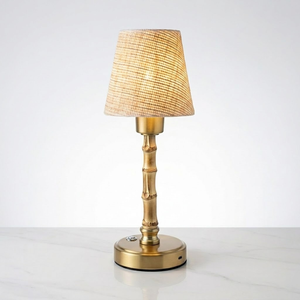
Rechargeable Hospitality Lighting Cordless LED Vintage Bamboo Design Luxury Table Lamp
Eco-crafted bamboo acoustic lighting structure offering localized sound absorption and flicker-free warm ambiance for hospitality settings.
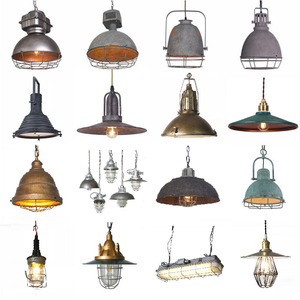
Vintage Industrial Pendant Light E27 Hanging Ceiling Lamp Retro Loft Fixture
Heavy-duty industrial metallic canopy housing sound-dampening micro-perforated baffles engineered for high-reverberation dining halls.
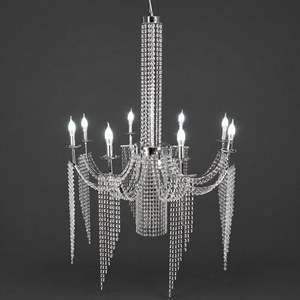
Modern Rectangle Glass Metal 8-Light Pendant Lamp Chrome/Gold Finish
Architectural linear luminaire featuring sound-absorbing backing plates, polished metallic frames, and dual warm/white LED modules.

Modern Style Indoor Decoration Hotel Lobby Villa Staircase Custom Glass LED Chandelier
Large-format decorative ceiling feature integrating hand-blown glass elements with acoustic backing panels for multi-story atrium spaces.
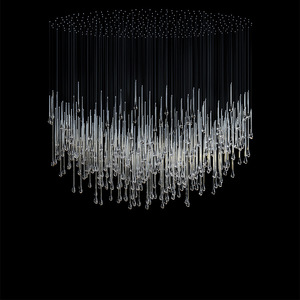
Customized Creative Long LED Pendant Light with Adjustable Height for Banquet Hall
Engineered ceiling acoustic baffle system with integrated linear illumination, custom adjustable suspension cables, and high-density felt core.
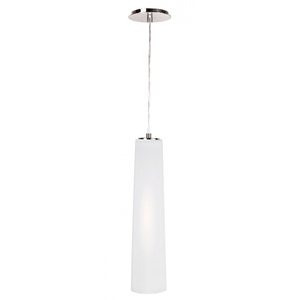
Marriott Residence Inn Possibilities Hotel Ceiling Lamp Guestroom Fixture
Hospitality-grade low-profile flush canopy built to strict commercial compliance standards with dampening composite backing plates.
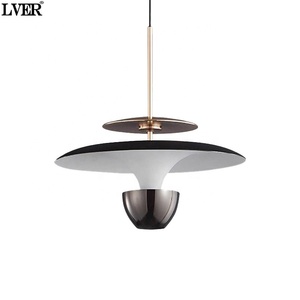
Modern Minimalist Restaurant LED Ceiling High Luminous Spotlights Hotel Lamps
Precision-machined motorized rise-and-fall acoustic spotlight module designed for dynamic dining room configurations and glare suppression.
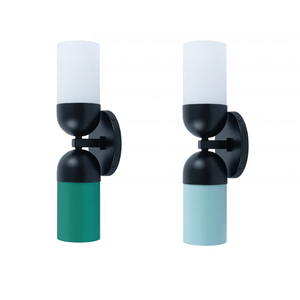
Home2 Dynamic Hospitality Lighting Supplier Two Light Cylinder Acrylic Wall Sconce
Architectural acrylic wall sconce engineered to pair seamlessly with acoustic wall cladding panels for corridor and guest room applications.
Why Architectural Specifiers & Global Brands Partner With Us
As a vertically integrated custom OEM acoustic panel manufacturer and architectural hardware specialist, we bridge the gap between complex creative design intent and buildable, code-compliant physical installations.
Single-Point Accountable DFM Workflow
We take initial sketches, CAD files, or reflected ceiling plans (RCP) through rigorous Design-For-Manufacture (DFM) engineering. By controlling structural calculation, material selection, electrical testing, and acoustic tuning under one roof, we eliminate cross-vendor friction and project delays.
- Fully custom shop drawings & 3D digital twins
- Structural load & seismic calculation reviews
- In-house acoustic chamber performance validation
Advanced Multi-Material Integration
Modern interior architecture rarely relies on a single material. Our facilities process high-density recycled PET felt, micro-perforated natural timber, precision laser-cut metals (brass, bronze, aluminum), translucent polycarbonate panels, and backlit natural stone slabs with tight-tolerance machining.
- PET acoustic felt up to 2400g/m² density
- PVD plated and hand-patinated metal finishes
- Translucency-tested marble & quartzite veneer
Global Footprint & On-Site Logistics
With engineering studios and logistics support hubs strategically positioned in Toronto, Miami, Lisbon, Riyadh, and Dubai, we provide continuous technical assistance, international export compliance documentation, protective crating, and site-ready installation sequencing globally.
- Direct support across Americas, EMEA, and MENA
- Custom protective wooden crating & sequence coding
- Full compliance with UL, CE, ISO, and ASTM standards
Engineering High-Performance OEM Acoustic Panel Systems
An in-depth analysis of sound absorption mechanics, material substrate density, integrated LED light channels, and fire-safety compliance for commercial procurement teams.
Understanding Sound Absorption Physics (NRC & STC)
Architectural acoustic control relies on two fundamental metrics: Noise Reduction Coefficient (NRC) and Sound Transmission Class (STC). NRC measures the percentage of sound energy absorbed by a panel surface across standard speech frequencies (250Hz, 500Hz, 1000Hz, and 2000Hz), rated from 0.00 (perfect reflection) to 1.00+ (complete absorption).
Custom OEM acoustic panels achieve high NRC values through porous sound absorption. When sound waves strike open-pore materials like heat-bonded Polyethylene Terephthalate (PET) felt or micro-perforated wooden panels, air molecules vibrate within the internal fibrous network. Friction converts this kinetic acoustic energy into microscopic thermal dissipation, preventing flutter echoes and reducing overall room reverberation time ($RT_{60}$).
For demanding environments such as hotel conference centers, open-plan corporate headquarters, and high-volume dining rooms, specifying panels with an NRC rating of 0.85 or higher is essential to maintain acoustic comfort and speech intelligibility.
PET Fiber Density vs. Micro-Perforated Composites
Select material selection directly impacts both structural durability and sound dampening efficacy. Modern custom acoustic panel manufacturing utilizes two primary substrate families:
- Recycled PET Acoustic Panels: Manufactured using 100% recyclable polyester fibers, flame-retardant additives, and heat compaction. PET panels offer exceptional impact resistance, non-hygroscopic properties, zero formaldehyde emissions, and customizable densities ranging from $1300\text{g/m}^2$ to $2400\text{g/m}^2$.
- Micro-Perforated Wood & Metal Panels: Engineered for luxury aesthetic environments where natural wood grain or metallic luster is required. Utilizing CNC micro-perforation technology (hole diameters $\le 0.5\text{mm}$ at tight pitch patterns), acoustic waves pass through invisible surface perforations into an internal sound-dampening core without compromising surface visual continuity.
Our OEM manufacturing facility seamlessly laminates decorative textiles, natural wood veneers, and architectural metal screens directly onto sound-absorbing cores, offering unlimited design flexibility without acoustic compromise.
Acoustic Material Performance Specification Matrix
| Material Substrate | Standard Thickness | Density Range | NRC Absorption | Fire Rating Standard | Primary Application |
|---|---|---|---|---|---|
| Thermo-Bonded PET Felt | 9mm / 12mm / 24mm | 1300 - 2400 g/m² | 0.75 - 0.95 | ASTM E84 Class A / EN13501-1 B-s1,d0 | Ceiling Baffles, Wall Cladding, Lighting Shading |
| Micro-Perforated Wood Composite | 15mm / 18mm | 750 - 850 kg/m³ | 0.65 - 0.85 | BS476 Part 7 Class 1 / Class A | Auditoriums, Executive Boardrooms, Luxury Hotels |
| Perforated Metal & Acoustic Textile | 1.0mm Metal + 20mm Core | Variable Metal Gauge | 0.80 - 0.90 | Non-Combustible (A1) Core Option | Transit Hubs, Commercial Atriums, High-Traffic Retail |
| Backlit Acoustic Stone Fabric | 6mm Stone + PET Frame | Composite Assembly | 0.55 - 0.70 | Custom Flame Retardant Treated | Lobby Feature Walls, Bar Counter Fronts, VIP Lounges |
Innovation Spotlight: The Convergence of Illumination and Acoustic Control
Modern architectural trends prioritize clean ceiling planes by eliminating fixture clutter. As a specialized OEM manufacturer, we design and produce Integrated Acoustic Lighting Systems. By embedding micro-linear LED modules, flicker-free drivers, and anti-glare optics directly into sound-dampening acoustic felt baffles and stone canopies, procurement teams can reduce structural ceiling points by 50% while achieving superior photometrics (CRI 95+, R9 > 80) and optimal acoustic absorption.
Future Development & Procurement Trends in OEM Acoustic Systems
How shifting commercial building codes, ESG mandates, and smart building technology are shaping next-generation acoustic sourcing strategies.
1. Circular Economy & Decarbonized Materials
Global architectural specifications increasingly require strict environmental declarations. Future OEM acoustic panel procurement is shifting decisively toward post-consumer recycled PET fiber sources, bio-based binder resins, and zero-VOC water-based finishes. Leading enterprises mandate life-cycle assessments (LCA) and Environmental Product Declarations (EPD) to satisfy LEED v4.1 and BREEAM sustainability certifications.
2. Modular Snap-Lock Installation Systems
Rising jobsite labor costs have driven demand for factory-prefabricated modular acoustic panels. OEM suppliers are developing proprietary concealed aluminum clip systems and magnetic lock tracks. These allow complex 3D acoustic wall panel arrays and suspended ceiling baffles to be installed with 60% less labor time while facilitating easy maintenance access to MEP services.
3. Rigorous Fire & Smoke Safety Compliance
Following updated global building safety standards, commercial buyers are moving away from untreated polyurethane foams toward inorganic, self-extinguishing material compositions. OEM manufacturers must ensure all products achieve verified ASTM E84 Class A (Flame Spread Index ≤ 25, Smoke Developed Index ≤ 450) and European EN 13501-1 B-s1, d0 ratings without toxic off-gassing.
Enterprise Procurement & Technical Specification FAQs
Clear, direct answers for architectural buyers, general contractors, and procurement officers.