CE-Certified Hospitality & Restaurant Lighting Fixtures
Explore our engineering-tested lighting series engineered specifically for luxury dining, hotel front-of-house, banquet halls, and commercial interior architecture.
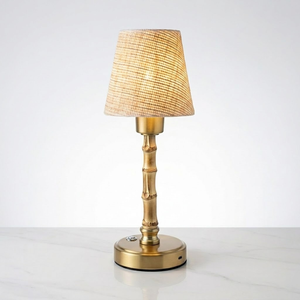
Rechargeable Hospitality Lighting Cordless LED Vintage Bamboo Design Luxury Table Lamp
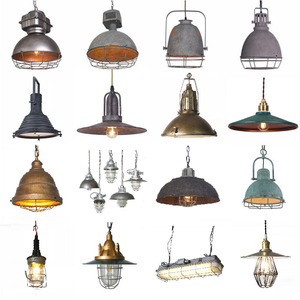
Vintage Industrial Pendant Light E27 Hanging Ceiling Lamp Retro Loft Lighting Fixture
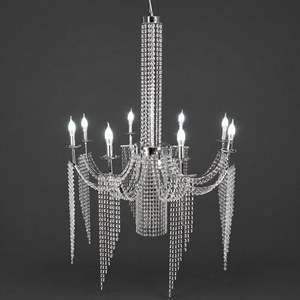
Modern Rectangle Glass Metal 8-Light Pendant Lamp Chrome/Gold Finish
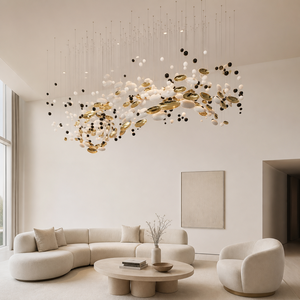
Modern Style Indoor Custom Glass LED Chandelier Pendant Light
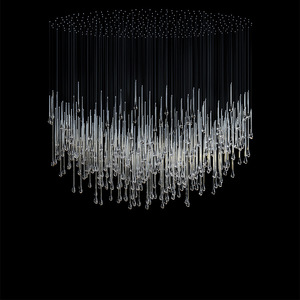
Customized Creative Long LED Pendant Light with Adjustable Suspension Height
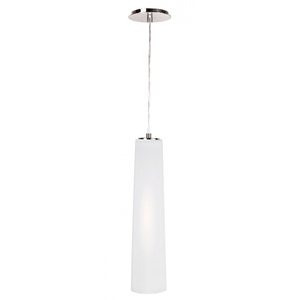
Marriott Residence Inn Spec Hotel Ceiling Lamp Guestroom & Suite Fixture
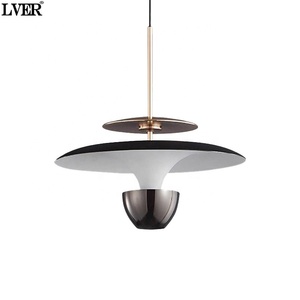
Modern Minimalist Restaurant Adjustable High Luminous Efficiency Spotlights
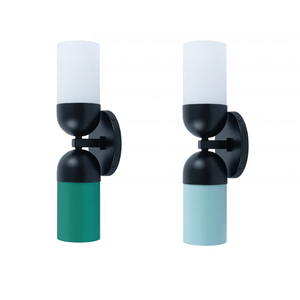
Two Light Cylinder Acrylic Hospitality Wall Sconce Lighting Fixture
Integrated Engineering, Fabrication, and Global Supply Chain
Operating as a primary design-engineering manufacturer, we merge lighting design, metal craft, and stone fabrication under one unified quality management system.
In-House Design-for-Manufacture (DFM)
We translate conceptual sketches, reflected ceiling plans (RCP), and architectural renderings into fully structural, electrical-compliant shop drawings. Our CAD engineers ensure structural safety, weight redistribution, and thermal dissipation metrics before metal spinning or glass blowing begins.
CE Directive Compliance Rigor
Every commercial fixture intended for export to Europe and global markets undergoes exhaustive testing for Low Voltage Directive (LVD 2014/35/EU) and Electromagnetic Compatibility (EMC 2014/30/EU). Our products carry complete Technical Construction Files (TCF) and Declarations of Conformity (DoC).
Multi-Material Integration Capabilities
Unlike standard assembly shops, our workshops seamlessly fabricate architectural metal features (brass, bronze, patinated steel), hand-blown crystal glass, architectural polycarbonate art panels, and translucent slab-matched natural stone (onyx, marble) for illuminated feature walls.
Turnkey Export & Logistics Engineering
Exporting custom lighting requires rigorous packaging design. We build heat-treated ISPM-15 wooden crates with laser-cut EVA foam padding, complete sequence drop-testing, and handle full customs clearance documentation across North America, Europe, the Middle East, and Asia.
Technical Whitepaper: Engineering CE-Certified Lighting for High-Traffic Dining Environments
In modern architectural restaurant design, lighting transcends simple illumination; it is a fundamental driver of customer sentiment, visual appetite, operational efficiency, and brand identity. However, specifying lighting fixtures for commercial restaurant and hospitality interiors presents unique engineering and regulatory challenges that residential or basic commercial fixtures cannot satisfy.
Commercial dining spaces operate under intense physical conditions: continuous 12-to-18-hour daily duty cycles, elevated ambient grease and vapor levels, cleaning chemicals, strict fire-safety codes, and demanding visual criteria. As a leading international CE Certified Restaurant Lighting Supplier and Exporter, our engineering framework focuses on solving four core criteria: Photometric Quality, Thermal Management, Electrical Safety/EMC Compliance, and Maintenance Sustainability.
1. Photometric Engineering: Color Rendering, Spectral Uniformity & Glare Control
In luxury dining environments, light quality directly influences how food visually presents and how comfortably guests perceive the space. Standard commercial LEDs often suffer from spectral gaps in the red spectrum (R9), causing fresh food, wood finishes, and human skin tones to appear muted or grey.
- High Color Fidelity (CRI Ra > 95, R9 > 80): We specify specialized LED COB (Chip-on-Board) and SMD engines with TM-30-18 color fidelity indices ($R_f \ge 93$, $R_g \ge 100$). This ensures warm, rich undertones across meat, produce, wine, and architectural stone.
- Unified Glare Rating (UGR < 19): High-end dining demands zero direct visual glare. Utilizing micro-prismatic diffusers, deep-set optical baffles, and anti-glare honeycomb louvers, our fixtures hide the light source while casting smooth, controlled beam distributions down to dining tables.
- Dim-to-Warm Dynamic Control: Utilizing advanced driver tech, our fixtures smoothly transition from a crisp 3000K neutral warm light during lunch service down to a ultra-cozy 1800K candle-like amber tone during late-night dinner service, maintaining smooth 0.1% flicker-free dimming curves.
| Performance Parameter | Standard Commercial Fixtures | VISO CE-Certified Restaurant Standard | Design Benefit |
|---|---|---|---|
| Color Rendering Index (CRI) | Ra 80+, R9 > 0 | Ra 95+, R9 > 80 (TM-30 Tested) | Optimal food presentation & warm skin tones |
| Unified Glare Rating (UGR) | UGR > 22 (Direct Exposure) | UGR < 16 - 19 (Deep Reflector/Baffled) | Prevents visual fatigue for dining guests |
| Dimming Protocol & Depth | Triac / 10% Minimum Limit | DALI-2, 0-10V, Bluetooth Mesh / 0.1% Dim-to-Warm | Seamless transition from daytime to evening ambiance |
| CE Testing Compliance | Basic LVD Self-Declaration | Third-Party Tested LVD (EN60598) + EMC (EN55015) | Legal compliance, zero line-noise interference |
| Driver Lifetime Expectancy | 20,000 - 30,000 Hours | > 50,000 to 100,000 Hours @ Tc Max | Eliminates costly driver replacement maintenance |
2. CE Certification Directives: Understanding Safety & EMC Standards for Export
Exporting custom or architectural luminaires to global markets requires strict compliance with international electromechanical safety directives. A genuine CE mark represents full technical conformity backed by comprehensive lab test reports:
- EN 60598-1 & EN 60598-2-1 Compliance: Regulates the general requirements and tests for fixed general-purpose luminaires. This covers mechanical strength, wire heat resistance, electrical insulation clearance, and earth ground bonding.
- Electromagnetic Compatibility (EMC Directive 2014/30/EU): Restaurant audio systems, POS terminals, and lighting controllers share electrical circuits. Our low-harmonic, shielded drivers pass EN 55015 limits for radio disturbance, ensuring no audible humming or wireless signal interference.
- Photobiological Safety (EN 62471): Ensures blue-light hazards are completely eliminated, classifying luminaires under Risk Group 0 (RG0 Exemption), guaranteeing long-term ocular safety.
Industry & Technological Trends Shaping Restaurant Lighting Design
As hospitality concepts evolve, procurement managers, interior designers, and hotel operators must align their specifications with rapid technological shifts. Below are key macro trends transforming commercial restaurant lighting:
1. Cordless, Inductive Rechargeable Table Accent Lighting
Static wiring restricts floorplan flexibility in dynamic dining venues, outdoor patios, and event banquet halls. The surge in demand for commercial-grade rechargeable table lamps has shifted expectations towards waterproof (IP65), heavy-weight, tamper-proof fixtures with magnetic or multi-dock charging bases. High-end venues utilize these fixtures to eliminate wire clutter while providing targeted, localized illumination that makes tables feel private and intimate.
2. Integrated Architectural Metal and Light Sculptures
Modern luxury dining places heavy emphasis on Instagrammable statement features. Lighting is no longer separated from architectural features; it is physically woven into decorative brass ceiling canopies, laser-cut spatial dividers, and backlit polycarbonate art panels. By specifying single-source manufacturers capable of working simultaneously with metals, acrylics, and optics, designers avoid trade collision on site.
3. Human-Centric Lighting (HCL) & Circadian Scheduling
High-end restaurant groups operating multi-phase venues (café by day, lounge by evening) rely on automated circadian rhythm lighting routines. Smart drivers connected via DALI-2 or Bluetooth Mesh dynamically shift color temperatures based on ambient natural daylight curves, maintaining high staff alertness during prep hours and shifting to relaxing warm spectrums during service hours.
Future Procurement & Strategic Export Trends (2025–2030)
Procuring custom lighting for international project pipelines requires long-term planning and risk mitigation. Sourcing managers are increasingly moving away from off-the-shelf catalogues toward direct-to-factory engineering partnerships for several critical reasons:
Total Cost of Ownership (TCO) vs. Initial Capital Outlay
Low-cost non-compliant luminaires frequently suffer early LED decay, color shifting (SDCM > 5), and driver failures within 12 months of daily commercial use. Replacing installed ceiling luminaires in high-ceiling dining rooms requires scissor lifts, venue shutdowns, and lost revenue. Procuring industrial-grade fixtures with remote-accessible drivers, modular LED engines, and heat-sink extruded aluminum housings lowers long-term operational expense drastically.
Supply Chain Transparency and Material Documentation
Global developers demand full material traceability. From RoHS compliance (restriction of hazardous substances) to fire-retardant certification for fabric and polymer diffusers, procurement partners must provide full documentation submittal packages prior to site delivery. Direct exporter partnerships ensure smooth passage through customs without expensive port holds or safety impounds.
Restaurant Lighting Procurement FAQs
Technical and commercial answers for architects, specifiers, interior designers, and procurement managers.
What specific CE technical documentation is provided with export shipments?
Can you manufacture completely custom fixtures based on designer sketches or renderings?
How do you ensure color consistency across large multi-fixture restaurant orders?
What dimming system protocols do your restaurant lighting drivers support?
How are fragile custom glass and large metal lighting fixtures packed for global freight?
What is the typical production and export lead time for commercial projects?
Partner with a Global CE Lighting Supplier
Need technical submittal packages, custom shop drawings, or factory-direct pricing for your upcoming restaurant, hotel, or commercial interior project? Our engineering team is ready to review your plans.