Featured CE Certified Architectural Metal & Lighting Assemblies
Engineered for commercial, hospitality, and luxury residential developments requiring structural certification, thermal efficiency, and precision metallurgy.
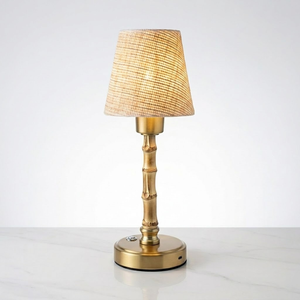
Rechargeable Hospitality Cordless LED Bamboo & Brass Table Lamp
- Material: Anodized Alloy & Natural Bamboo
- Battery: 5200mAh Lithium-ion (CE/RoHS)
- Application: Luxury Hotel & Hospitality
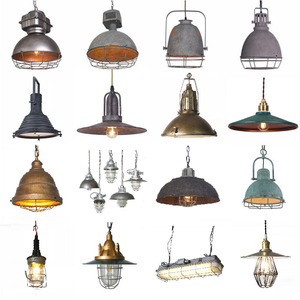
Vintage Industrial Metallic E27 Pendant Lighting Fixture
- Finish: Anti-Corrosive Powder Coating
- Base: Heavy-Gauge Steel (CE Certified)
- Voltage: 110V-240V Multi-Region
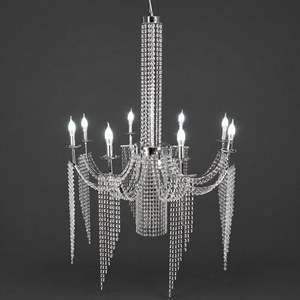
Modern Geometric Glass & Electroplated Metal 8-Light Canopy
- Frame: PVD Chrome/Gold Stainless Steel
- Glass: High-Clarity Tempered Crystal
- Rating: Class I Electrical Safety
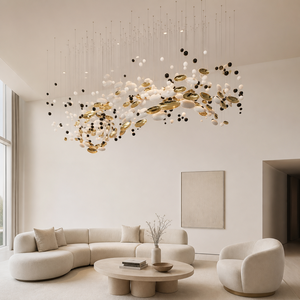
Custom Grand Staircase Architectural Glass LED Chandelier
- Load Capacity: Reinforced Steel Sub-Frame
- LED Engine: High CRI90+ Thermal Board
- Certification: CE LVD & EMC Directive
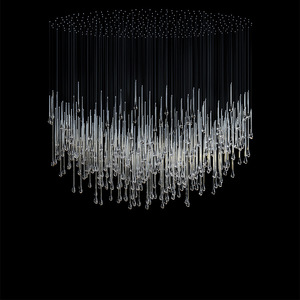
Height-Adjustable Linear Metal LED Pendant for Atriums
- Suspension: Aircraft-Grade SS Cable
- Dimming: DALI-2 & 0-10V Compatible
- Structure: Extruded 6063-T6 Aluminum
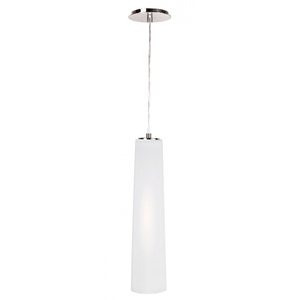
Marriott Approved Contract Flush Mount Metallic Ceiling Lamp
- Compliance: Marriott Brand Standard Spec
- Diffuser: Flame-Retardant Polycarbonate
- Metal Finish: Satin Nickel Electroplate
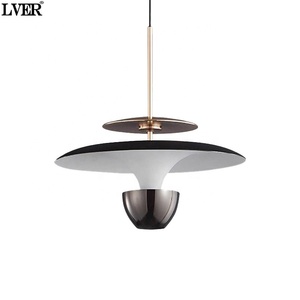
High-Efficiency Architectural Metal Spot & Ceiling Fixture
- Efficacy: 130 lm/W High Luminous Yield
- Adjustment: Dual-Axis CNC Swivel System
- Cooling: Integrated Passive Aluminum Sink
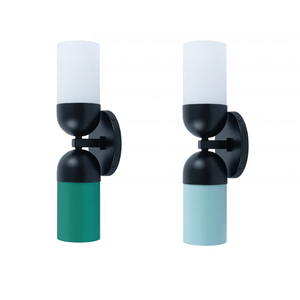
Commercial Dual-Cylinder Metallic Sconce for High-Traffic Interiors
- Rating: IP44 Moisture & Dust Resistant
- Mounting: Universal J-Box Structural Plate
- Finish: Brushed Metal Protection Layer
Enterprise Engineering & Manufacturing Capabilities
In modern high-end architectural construction, the convergence of structural metalworking, bespoke decorative lighting, and natural material engineering demands absolute precision. As a premier CE Certified Architectural Metals Supplier & Exporter, our enterprise provides end-to-end design engineering, prototyping, structural validation, and global supply chain fulfillment.
Operating across international hubs including Toronto HQ, Miami, Lisbon, Riyadh, and Dubai, our integrated production lines merge traditional artisan metal craftsmanship with advanced multi-axis CNC fabrication, laser cutting, automated PVD (Physical Vapor Deposition) coating, and robotic welding. By managing drawing approval, FEA (Finite Element Analysis) stress testing, electrical integration, and final assembly under a unified ISO 9001 quality system, we remove the operational risks associated with multi-vendor fragmentation.
CE & EN 1090 Compliance
Full factory production control (FPC) complying with EN 1090-1 and EN 1090-2 for load-bearing architectural aluminum and steel components deployed across the EU and international markets.
Multi-Material Integration
Seamless combining of structural brass, marine-grade 316 stainless steel, structural polycarbonate panels, optical glass, and backlit slab-matched natural stone features.
Global Studio Coordination
Localized engineering support in North America, Europe, and the Middle East ensuring seamless submittal reviews, CAD/BIM drawing coordination, and site installation assistance.
Technical Specification & Metallurgical Engineering Standards
Architectural metal specifiers face stringent environmental, safety, and longevity requirements. When exporting bespoke decorative lighting screens, ceiling canopies, and metal features globally, adherence to internationally recognized material grades and CE directives is non-negotiable.
Material Grade Selection Matrix
Our engineering team mandates specific metal alloys depending on project ambient conditions, structural loads, and surface finishing techniques:
| Metal Alloy Class | Standard Designation | Primary Mechanical Properties | Recommended Architectural Application |
|---|---|---|---|
| Austenitic Stainless Steel | AISI 316 / 316L (EN 1.4404) | High Molybdenum content, superior pitting resistance in marine/coastal zones | Exterior structural cladding, coastal hotel lobby canopies, high-humidity pools |
| Extruded Aluminum | 6063-T6 / 6061-T6 (EN AW-6063) | Excellent strength-to-weight ratio, high thermal conductivity (200 W/m·K) | Linear LED lighting channels, large-scale hanging sculptures, drop-ceiling grids |
| Architectural Brass / Bronze | C36000 Free-Cutting Brass / C26000 | Premium visual luster, natural antimicrobial qualities, patination receptivity | Decorative wall sconces, luxury restaurant dividers, custom chandelier chassis |
| Structural Carbon Steel | S235JR / S355J2 (EN 10025) | High yield strength (355 MPa), optimal for heavy structural anchoring | Internal load-bearing trusses for massive lobby chandeliers & feature walls |
CE Marking & Regulatory Directives for Export Markets
CE Certification serves as the primary indicator of a product's compliance with EU safety, health, and environmental protection legislation. For integrated architectural metalwork housing electrical lighting components, our exports comply with three key European Directives:
- Low Voltage Directive (LVD) 2014/35/EU: Ensures electrical insulation, dielectric strength, and creepage distance safety across all luminaires and motorized lift systems.
- Electromagnetic Compatibility (EMC) Directive 2014/30/EU: Guarantees that integrated LED drivers, DALI controllers, and wireless lighting interfaces do not emit disruptive electromagnetic interference.
- Restriction of Hazardous Substances (RoHS) Directive 2011/65/EU: Verifies that all solders, plating baths, and alloy additives are free from lead, mercury, hexavalent chromium, and restricted phthalates.
Future Procurement Trends in Architectural Metals & Smart Lighting (2025–2030)
The global specification landscape for architectural metals and custom hospitality lighting is undergoing a fundamental structural shift driven by decarbonization goals, supply chain risk mitigation, and digital manufacturing technologies.
1. Decarbonization and Circular Metal Sourcing
Leading architectural firms now mandate Environmental Product Declarations (EPDs) and low-carbon metal supply chains. Procurement strategies are heavily prioritizing suppliers capable of verifying recycled content in brass and aluminum alloys. Secondary aluminum production consumes approximately 95% less energy than primary smelting, dramatically reducing Scope 3 embodied carbon in commercial buildouts.
2. Prefabricated Modular Architectural Metal Systems
To offset rising site labor costs and speed up handover timelines, general contractors are moving away from piece-by-piece field assembly. Future-ready exporters are delivering factory-preassembled, plug-and-play architectural metal cassettes with integrated LED modules and quick-connect wiring harnesses, shortening field installation times by up to 60%.
3. Converged Architectural Lighting and Building Automation (IoT)
Metal structures are no longer static elements. Modern metal ceiling grids, screens, and custom chandeliers are increasingly embedded with micro-sensors for human-centric circadian lighting, occupancy tracking, and Bluetooth Low Energy (BLE) asset monitoring. Procurement specifications now routinely blend metallurgical mechanical strength requirements with DALI-2, Casambi, or PoE (Power over Ethernet) compatibility.
Global Market Dynamics & Export Risk Mitigation
Navigating cross-border logistics for large-format architectural metals requires comprehensive risk planning. Fluctuations in raw metal prices, international freight bottlenecks, and stringent regional building codes mean developers must partner with verified, financially stable exporting manufacturers.
By establishing specialized studio offices in strategic commercial nodes—Toronto, Miami, Lisbon, Riyadh, and Dubai—our enterprise guarantees seamless compliance with regional engineering standards such as North American UL/ETL listings, European CE/EN norms, and Middle Eastern SASO/GCC certifications. This regional footprint enables real-time coordination with localized structural engineering authorities while maintaining single-source production accountability.
Global Hospitality & Commercial Portfolio Highlights
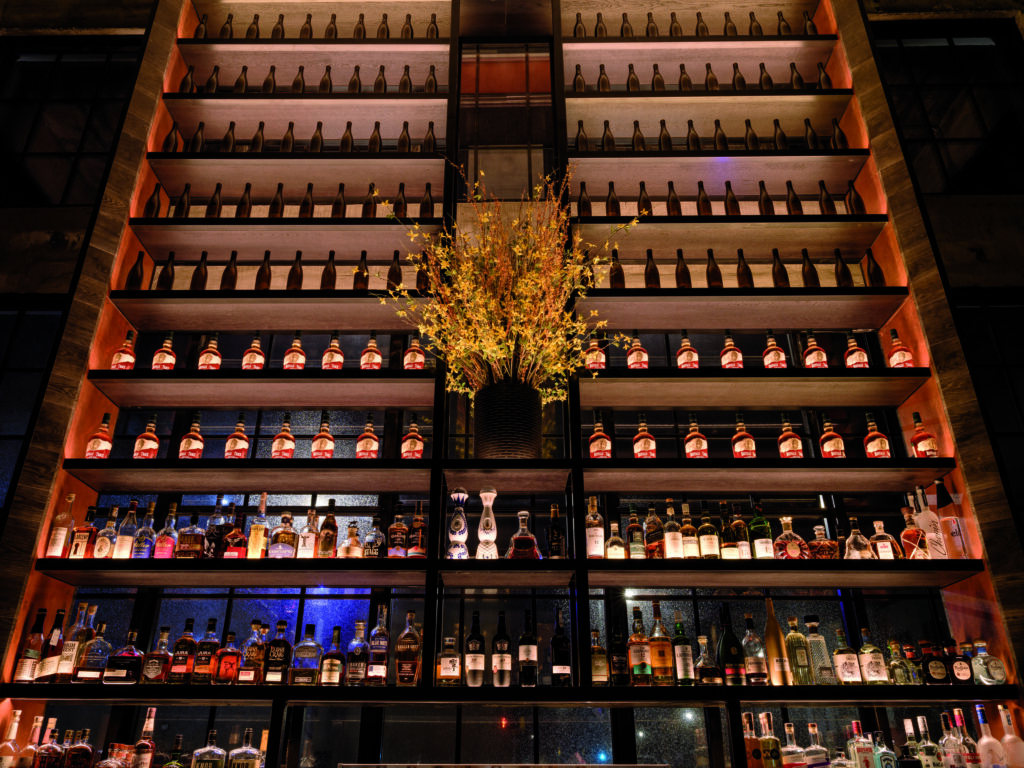
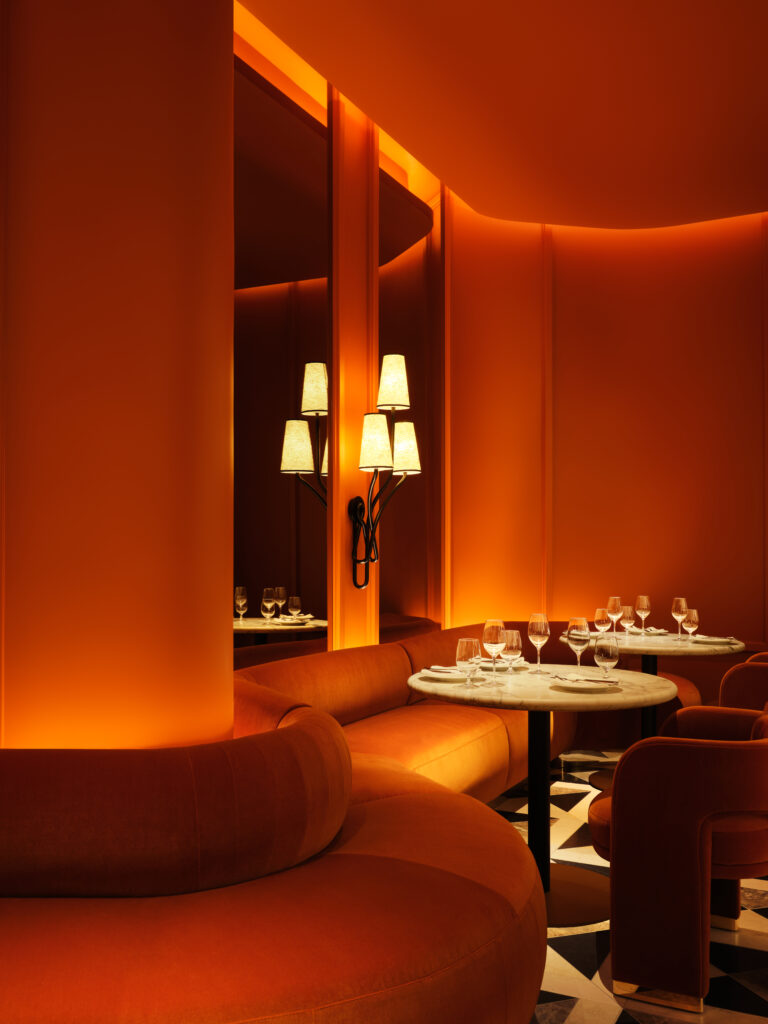
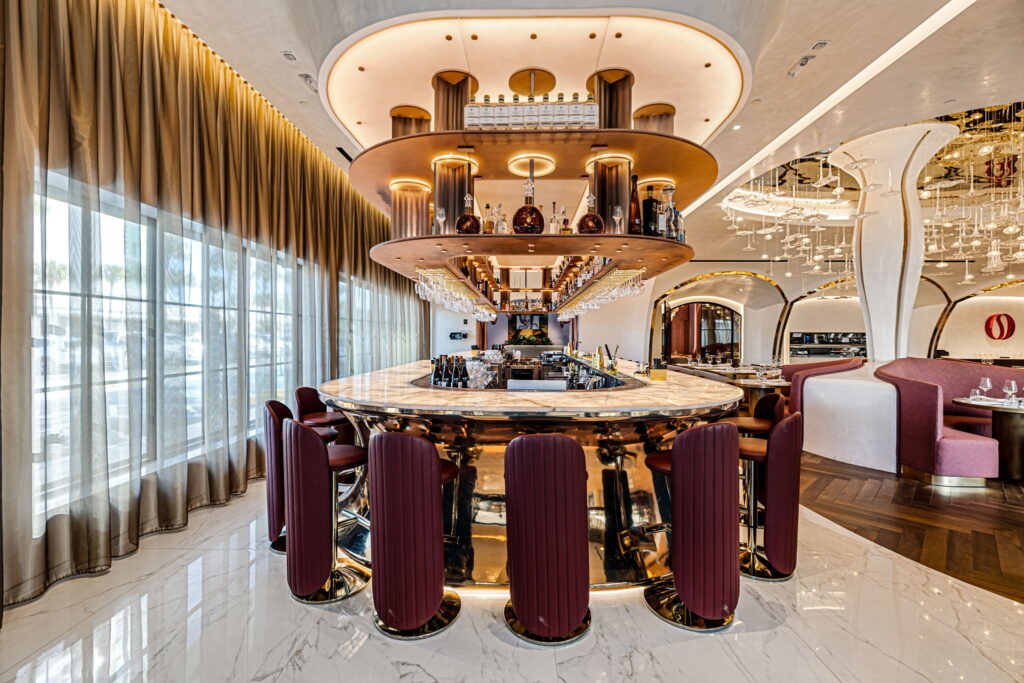
Our engineered metal and lighting solutions have been specified by world-renowned design practices including AvroKO, II BY IV DESIGN, Studio Paolo Ferrari, Nina Magon Studio, and Johnson Studio at Cooper Carry.
Procurement & Architectural Engineering FAQ
Essential technical answers for architects, structural engineers, lighting designers, and global procurement managers.
Accelerate Your Architectural Specification
Partner directly with an established CE certified architectural metals manufacturer and exporter. Contact our technical engineering team today to request CAD drawings, material samples, or a detailed submittal quote.
Contact Us